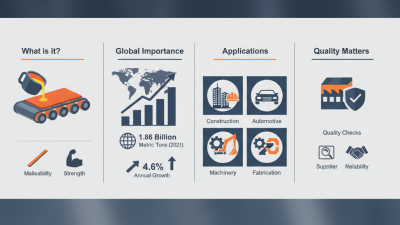
Choosing the right "Hot Rolled Steel Plate Carbon" for projects is essential for performance and durability. The global hot rolled steel market is expected to reach $364 billion by 2025, according to a recent industry report. The material's strength, versatility, and cost-effectiveness make it a popular choice across construction and manufacturing sectors.
John Smith, a leading expert in metallurgical engineering, emphasizes, "Selecting the right carbon content in hot rolled steel can greatly influence the mechanical properties." This highlights the importance of understanding the specific needs of your project. Carbon content plays a vital role in determining strength and weldability.
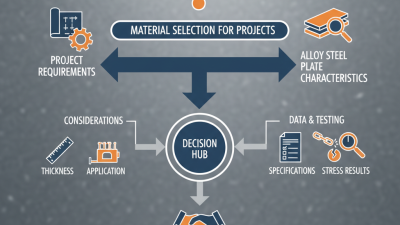
With the myriad of options available, decision-making can often feel overwhelming. Details such as thickness, width, and surface finish must align with project requirements. Additionally, including proper testing data and supplier certifications can enhance trustworthiness. Organizations and individuals need to remain vigilant, as choosing subpar or incorrect specifications can lead to costly failures downstream.
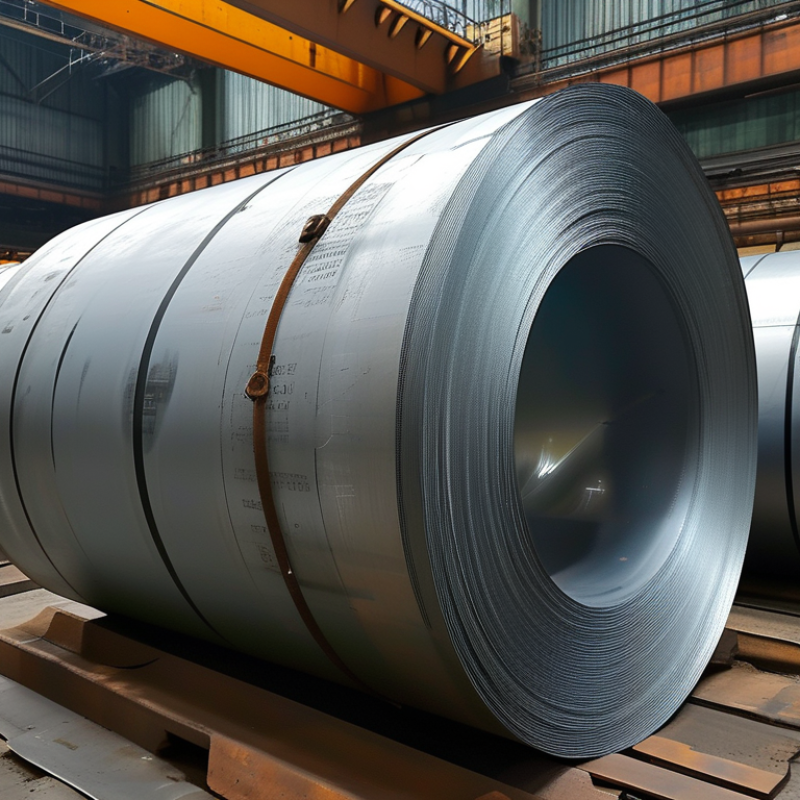
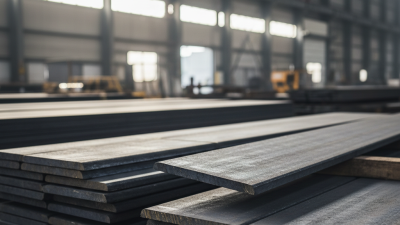
Understanding hot rolled steel plate carbon begins with its fundamental properties. This type of steel is known for its exceptional strength and durability. It is often utilized in construction and manufacturing industries. The rolling process occurs at elevated temperatures, which helps to shape the steel more easily. This makes hot rolled steel a favorite for projects requiring high material performance.
When selecting hot rolled steel, consider the project demands. Different grades offer varied levels of tensile strength and ductility. Some applications may require higher carbon content. This can enhance hardness but may affect machinability. It is essential to strike a balance between strength and workability to avoid potential issues in production.
**Tips:**
Ensure you have clear project specifications. Analyze the required dimensions and tolerances for your design. Always seek advice from a materials expert when in doubt. They can guide you toward the right choice that matches your needs. Remember, not all hot rolled steel plates are equal. Reviewing technical data sheets can be beneficial for making the best decision.
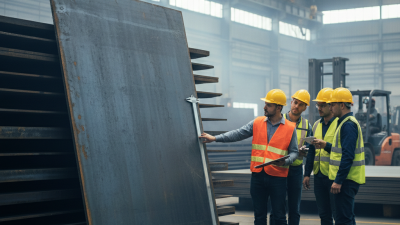
When selecting hot rolled steel plate carbon for your projects, there are several key factors to consider. One critical aspect is the steel's tensile strength. According to recent industry reports, the tensile strength of carbon steel typically ranges between 400 to 700 MPa. Knowing this helps in avoiding under or overengineering your structure.
Another important factor is the material's chemical composition. Carbon content can significantly impact durability and weldability. For instance, plates with 0.05% to 0.25% carbon content are known for improved weldability. However, higher carbon content can lead to brittleness under certain conditions, often necessitating additional processing.
Lastly, consider the thickness and dimensions you require. Hot rolled plates come in various thicknesses, typically ranging from 3 to 100 mm. The chosen thickness must match your project’s load-bearing requirements. Misjudging the dimensions can result in structural failures or wasted resources. Always ensure to evaluate your project specifications carefully to avoid costly mistakes down the line.
When selecting hot rolled steel plate carbon, understanding the different grades is crucial. Each grade has unique properties and applications that can affect your project. For instance, Grade A36 is widely used for structural applications. It offers good weldability and machinability. This grade is often found in buildings and bridges.
On the other hand, Grade A572 provides higher strength. It’s ideal for heavy-duty structures where weight is a concern. Using this grade can also enhance the overall performance of your project. However, one must be cautious. Choosing a higher grade than necessary can lead to increased costs without added benefits.
Tips: Always weigh the specific demands of your project against the characteristics of the material. Investigate the environmental factors, like exposure to moisture or chemicals. These can greatly influence the choice of steel grade. Remember, not all projects require the strongest material. Sometimes, the simplest solution may be the most effective. Reflect on your project's needs before deciding.
| Grade | Chemical Composition (%) | Mechanical Properties | Applications |
|---|---|---|---|
| A36 | C: 0.26 max, Mn: 0.60-0.90, P: 0.04 max | Yield Strength: 250 MPa, Tensile Strength: 400-550 MPa | Construction, structural beams, frames |
| S235JR | C: 0.14-0.22, Mn: 1.40 max, P: 0.04 max | Yield Strength: 235 MPa, Tensile Strength: 360-510 MPa | General construction, bridges, buildings |
| Q235 | C: 0.12-0.20, Mn: 0.30-0.70, P: 0.045 max | Yield Strength: 235 MPa, Tensile Strength: 375-500 MPa | Manufacturing, heavy equipment, construction |
| A1011 | C: 0.25-0.29, Mn: 0.60-0.90, P: 0.04 max | Yield Strength: 240 MPa, Tensile Strength: 400-550 MPa | Automotive parts, frames, and chassis |
| SS400 | C: 0.25 max, Mn: 0.40-0.70, P: 0.04 max | Yield Strength: 245 MPa, Tensile Strength: 400-510 MPa | Structural steel, general engineering |
When considering the costs of hot rolled steel plate carbon for projects, several factors come into play. The base price frequently fluctuates due to market conditions. Prices can vary based on the region and the supplier. Observing market trends helps gauge potential expenses. It’s also vital to consider transportation costs. These can significantly affect the overall project budget. Cities with higher demand may incur additional charges.
Another crucial aspect is the thickness and size of the steel plates. Thicker plates tend to be more expensive, and larger sizes can lead to increased shipping costs. Additionally, labor rates for handling and installation are pivotal. Engage with skilled professionals to receive accurate costing for your project. Quality also influences price; low-cost options may compromise durability over time, leading to more frequent repairs or replacements.
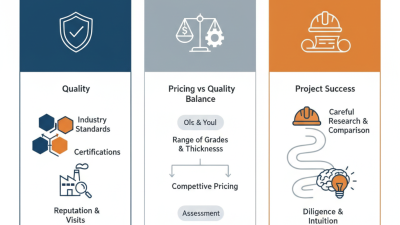
Negotiating bulk orders can yield discounts, but it’s essential to balance cost with quality. Inexperienced buyers might focus solely on price. This could result in selecting inferior materials that might escalate long-term expenses. Assessing each project’s specific requirements ensures that decisions lead to cost-effective and reliable outcomes. The right choice balances expenditure with performance over the material's lifecycle.
When sourcing hot rolled steel plate carbon, evaluating suppliers is crucial. Start by reviewing their reputation. Experienced suppliers often have a strong track record. Look for customer testimonials and case studies. These insights help gauge their reliability.
Consider the supplier's production capacity and quality control processes. Do they follow industry standards? This can impact the quality of the material you receive. Request documentation, such as certifications, to verify compliance.
Tips: Always ask for samples. This helps you assess the material's properties directly. Ensure the supplier can meet your project timelines. Delays can hinder progress and increase costs.
Assess communication responsiveness as well. A supplier who communicates promptly is often more reliable. This can be a reflection of their overall service excellence. Regular check-ins can foster a stronger partnership.
Choosing the right supplier is essential for project success.