Choosing the right Sheet Metal Sheets in 2026 requires more than comparing prices or surface finishes. Material grade, thickness, strength, corrosion resistance, and forming behavior must match the product’s real working conditions. A sheet used for an outdoor enclosure faces moisture, temperature changes, and repeated handling. A kitchen panel needs clean edges, reliable hygiene, and a finish that survives frequent cleaning. Small differences matter.
Experienced fabricators usually begin with the application, not the supplier catalogue. They check drawings, bend radii, cutting methods, welding requirements, and expected service life. Steel may offer excellent strength and value, while aluminum can reduce weight and resist corrosion. Stainless steel may suit demanding environments, but its higher cost needs justification. Do not trust attractive specifications alone. Ask for mill certificates, batch traceability, dimensional tolerances, and testing information from credible suppliers.
There is no universal “best” sheet. That is easy to say, but harder to apply. A material that performs well in one workshop may fail after transport, bending, or outdoor exposure. I have seen projects overpay for premium grades when a standard option was sufficient. I have also seen cheap sheets create warped panels and expensive rework. This guide examines practical selection factors for 2026, including sustainability, availability, fabrication efficiency, and supplier reliability. The goal is a defensible choice, not a fashionable one. Inspections still matter.
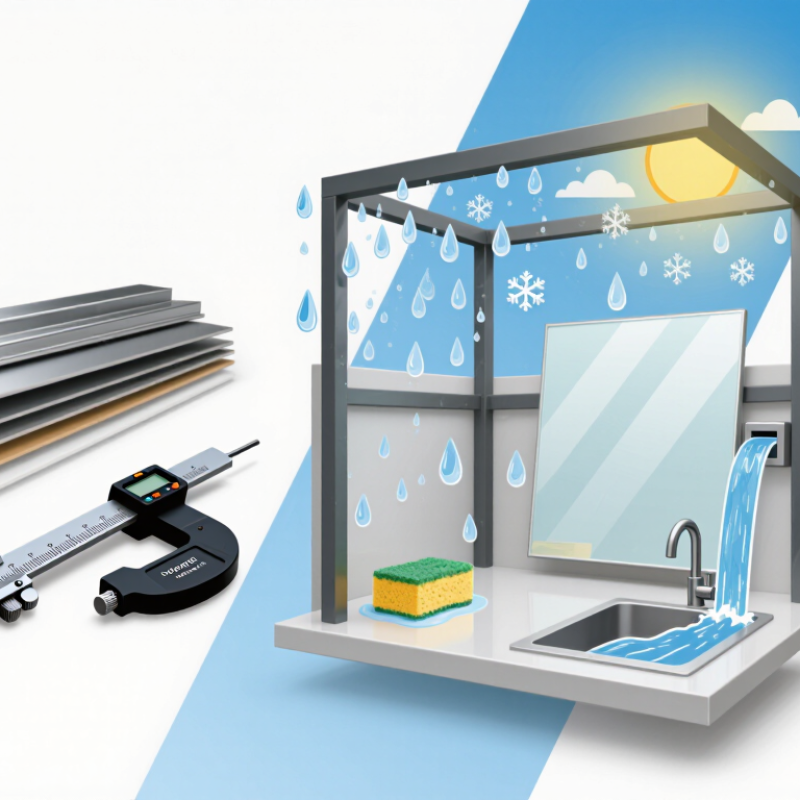
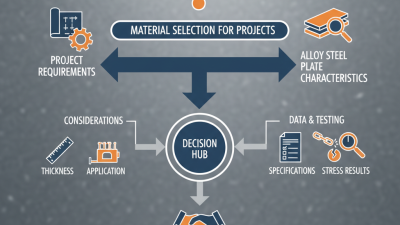
Choosing sheet metal in 2026 should begin with the job, not the catalog. Define the part’s function, expected loads, service temperature, and exposure to moisture or chemicals. Record the required thickness, flatness, bend radius, hole sizes, and acceptable tolerances. Be specific. A cabinet panel may need stiffness, while a heat shield may need thermal resistance instead. These goals can require very different grades and thicknesses.
In fabrication reviews, I have seen projects fail because teams selected material by price alone. A thin sheet can reduce weight, but it may vibrate, dent, or distort during welding. A harder grade may improve wear resistance, yet increase forming difficulty and tooling force. Check the planned cutting, bending, joining, and finishing methods before approval. Measure twice. Also confirm material certificates, mechanical properties, coating requirements, and production tolerances with a qualified supplier.
Performance goals should be measurable. Set limits for deflection, corrosion life, surface appearance, and maximum operating temperature. For outdoor parts, include drainage details and realistic exposure conditions. For precision enclosures, control flatness after forming, not only before fabrication. That matters. One imperfect assumption can affect thousands of parts. I would also review the design after a prototype, because laboratory expectations may not match handling, transport, or installation. A small trial section can reveal springback, coating damage, or unexpected warping before full production.
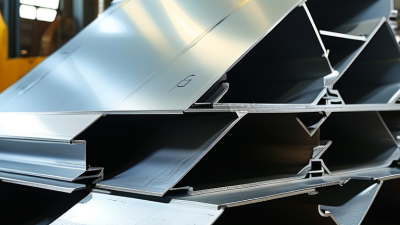
How to Choose the Right Sheet Metal Sheets in 2026?
Choosing sheet metal starts with service conditions, not appearance. Mild steel offers strength, easy fabrication, and affordable pricing. It can rust quickly without paint, plating, or another protective finish. Aluminum weighs less and resists corrosion, but it dents more easily. Stainless steel suits wet, hygienic, or chemically demanding environments. Copper conducts heat and electricity well, though it costs more and scratches easily. Alloy selection should reflect load, temperature, moisture, and forming requirements.
Thickness controls stiffness, weight, bending effort, and final cost. Thin sheets work for covers, signs, and light enclosures. Thicker sheets suit frames, brackets, and impact-prone panels. Do not select thickness from a chart alone. A small bend radius may crack a hard alloy. I have seen designs fail because the specified gauge ignored hole spacing and unsupported spans. Check the actual material standard, tolerance range, and forming direction before production.
Surface finish affects durability and appearance. A mill finish may be practical for hidden components. Brushed finishes hide small marks but require consistent handling. Anodized aluminum improves surface protection and color stability. Galvanized steel helps resist corrosion in exposed settings. Powder coating adds color and protection, but sharp edges still need careful coverage. Ask for material certificates, coating thickness data, and sample panels. Inspect under real lighting. I still find visual checks imperfect, so combine them with dimensional and adhesion tests.
Strength should match the real load, not a guess from thickness alone. A 1.2 mm high-strength steel sheet may carry more force than thicker mild steel. Check yield strength, tensile strength, and fatigue data in the mill test report. ASTM E8 and ISO 6892-1 provide recognized tensile-testing methods.
Formability matters when the sheet must survive deep drawing, bending, or tight flanges. High strength can reduce stretchability. It may also create springback.
I have seen attractive designs fail at a sharp corner because the bend radius was treated as an afterthought.
Corrosion resistance deserves equal attention. The NACE IMPACT study estimated global corrosion costs at about 2.5 trillion dollars annually, near 3.4% of global GDP. That figure makes surface protection a design issue, not only a maintenance issue.
Compare coating type, salt-spray results, humidity exposure, and the actual service environment.
Stainless steel can perform well, but crevices and contaminated surfaces still create trouble. Aluminum reduces weight, yet galvanic corrosion can occur when it touches dissimilar metals.
Tips: Define the load, bend radius, temperature, and exposure before choosing a grade. Then compare weight per square meter, forming limits, and certified test results.
World Steel Association data recorded about 1.89 billion tonnes of crude steel production in 2023, so availability is rarely the only constraint.
The cheaper sheet may still cost more after rejected parts, heavier supports, or repainting.
My imperfect rule: never trust one number. Confirm the whole working environment.
How to Choose the Right Sheet Metal Sheets in 2026?
Choosing sheet metal starts with the fabrication method, not the appearance. Laser cutting usually suits carbon steel, stainless steel, and aluminum sheets with precise profiles. Punching works well for repeated holes and high-volume panels. A press brake needs enough ductility and a suitable bend radius. Otherwise, edges may crack during forming. Roll forming requires consistent thickness across long coils or panels.
Match the sheet to its working environment. Stainless steel can resist moisture, while galvanized steel supports outdoor structures when its coating remains intact. Aluminum reduces weight but may require careful tooling because it marks easily. Check thickness tolerance, flatness, grain direction, surface condition, and weldability before ordering. A 1.5 mm sheet can behave very differently from a 2.0 mm sheet during bending. Always request material certificates and confirm the applicable standard with your fabricator.
Tips: Define the finished part before selecting the sheet. Share drawings with bend allowances, hole sizes, and tolerance requirements. For painted parts, consider coating thickness in the final dimensions. Ask for a small trial piece when the design includes tight bends or visible surfaces. It costs time. It can prevent expensive rework. One practical mistake is choosing the cheapest sheet without checking forming performance. That decision may create distortion, poor welds, or extra finishing work. Reconsider the specification when production feedback exposes a weakness.
| Material and Typical Grade | Typical Thickness Range | Approx. Density | Indicative Yield Strength | Formability and Fabrication Behavior | Recommended Fabrication Methods | Suitable Applications | Finishing and Selection Notes |
|---|---|---|---|---|---|---|---|
| Low-Carbon Steel ASTM A36 / S275 |
0.8–25 mm | Approximately 7.85 g/cm³ | About 250–275 MPa, depending on specification and thickness | Good general-purpose formability, cutting response, and weldability. Springback is moderate. | Laser cutting, plasma cutting, shearing, press braking, stamping, MIG/MAG welding, and resistance welding | Frames, brackets, machine guards, structural panels, cabinets, and general fabrication | Requires paint, powder coating, galvanizing, or another protective finish for outdoor or humid service. |
| Galvanized Steel DX51D + Z |
0.5–3.0 mm | Approximately 7.85 g/cm³ for steel, excluding coating variation | Typically about 140–300 MPa, depending on product condition | Good bending and roll-forming performance. Zinc coating can be damaged by aggressive handling or excessive heat. | Shearing, laser cutting, punching, roll forming, press braking, and spot welding | Ductwork, roofing components, electrical enclosures, HVAC panels, and indoor or semi-exposed parts | Zinc coating improves corrosion resistance. Seal or repair cut edges when long-term outdoor durability is required. |
| Stainless Steel 304 / 304L |
0.5–12 mm | Approximately 8.0 g/cm³ | Minimum about 205 MPa for many annealed sheet specifications | Excellent ductility but noticeable work hardening and springback. Use sharp tooling and controlled forming radii. | Fiber laser cutting, waterjet cutting, press braking, deep drawing, TIG/MIG welding, and resistance welding | Food-processing equipment, kitchen panels, medical fixtures, architectural trim, tanks, and indoor corrosive-service parts | Choose brushed, polished, or mill finish according to appearance and cleaning requirements. Remove heat tint after welding where corrosion performance matters. |
| Stainless Steel 316L |
0.5–12 mm | Approximately 8.0 g/cm³ | Minimum about 170 MPa for many annealed sheet specifications | Good formability and weldability with strong resistance to chloride-containing and chemical environments. | Laser cutting, waterjet cutting, press braking, deep drawing, TIG welding, and orbital welding | Marine fittings, chemical equipment, pharmaceutical systems, coastal structures, and sanitary process assemblies | Higher material cost is justified where chloride exposure, cleaning chemicals, or corrosion risk is significant. |
| Aluminum Alloy 5052-H32 |
0.8–6.0 mm | Approximately 2.68 g/cm³ | Approximately 190 MPa typical minimum for H32 sheet | Very good bending and drawing capability. Lower stiffness than steel requires allowance for deflection. | Laser cutting, waterjet cutting, shearing, press braking, stamping, riveting, and TIG/MIG welding | Vehicle panels, marine components, lightweight enclosures, HVAC parts, signage, and formed covers | Naturally corrosion resistant in many environments. Use suitable tooling to avoid galling and surface scratches. |
| Aluminum Alloy 6061-T6 |
1.0–6.0 mm | Approximately 2.70 g/cm³ | Approximately 240–275 MPa, depending on product specification | Higher strength than 5052 but less suitable for tight-radius forming in the T6 condition. Machining is favorable. | CNC machining, laser cutting, waterjet cutting, light press braking, riveting, and TIG/MIG welding | Equipment frames, brackets, transport components, structural covers, and lightweight machined assemblies | Welding can reduce strength in the heat-affected zone. Consider temper requirements when specifying formed and welded parts. |
| Copper C110 / Electrolytic Tough-Pitch |
0.5–6.0 mm | Approximately 8.94 g/cm³ | Approximately 70–220 MPa, depending on temper | Excellent electrical and thermal conductivity. Soft tempers form easily; work hardening increases during repeated forming. | Shearing, laser cutting with suitable settings, punching, press braking, bending, brazing, and resistance welding | Busbars, electrical contacts, heat shields, heat exchangers, grounding components, and decorative panels | Specify temper according to conductivity and forming needs. Protect visible surfaces from tool marks and oxidation. |
| Titanium Grade 2 |
0.5–6.0 mm | Approximately 4.51 g/cm³ | Approximately 275 MPa minimum for many commercially pure sheet specifications | Good corrosion resistance and moderate formability, but high springback and low thermal conductivity require controlled processing. | Waterjet cutting, laser cutting with controlled parameters, press braking, CNC machining, and inert-gas welding | Chemical-processing parts, marine hardware, aerospace panels, medical components, and high-corrosion applications | Use dedicated tooling and prevent contamination from iron particles. Material cost and fabrication control are significantly higher than aluminum or steel. |
| Weathering Steel Low-Alloy Structural Sheet |
2.0–16 mm | Approximately 7.85 g/cm³ | Common grades are approximately 345–355 MPa minimum | Generally weldable and formable with procedures suited to the selected grade and thickness. | Plasma cutting, laser cutting, shearing, press braking, drilling, and controlled structural welding | Outdoor structures, bridge components, architectural panels, sculptures, and exposed structural frames | Requires alternating wet-and-dry exposure to develop a protective patina. Avoid continuously wet, marine, or poorly ventilated locations. |
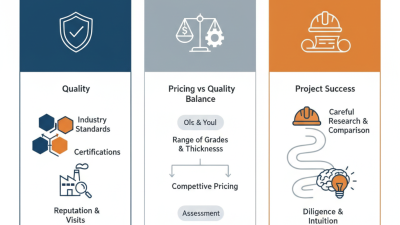
Verify the material standard before comparing prices. Check grade, thickness, tolerance, surface condition, and mechanical test results. Request certificates that match each batch, not a generic file. Traceability matters when sheets enter safety-sensitive assemblies. A small thickness difference can affect bending, welding, and final dimensions. Confirm whether the supplier follows the required regional or project standard. Do not rely on a sales description alone.
Supplier quality needs practical evidence. Ask for recent inspection records, sample sheets, packaging photos, and corrective-action procedures. If possible, inspect a trial shipment before approving regular orders. In production reviews, I have found that poor edge protection often creates hidden costs. Rust may appear after transport, even when the sheets looked perfect at dispatch. Costs should include cutting loss, freight, inspection, storage, and rejected material. The cheapest quotation is not always the lowest cost.
Tips: Build a 2026 availability check into the purchase process. Ask about monthly capacity, realistic lead times, reserve stock, and material allocation during demand peaks. Confirm shipping routes and alternative delivery points. Keep a qualified second source, but verify its quality equally. I once treated availability as a purchasing detail; it later became the schedule risk. That assumption was careless. Recheck forecasts every quarter, especially when projects use unusual sizes, coatings, or tight tolerances.