How to Find Hot Rolled Alloy Spot Inventory?
Finding Hot Rolled Alloy Spot Inventory requires more than searching a supplier directory. Buyers must connect grade, thickness, width, surface condition, quantity, location, and certification. A coil that appears available may already be reserved, undergoing inspection, or unsuitable for a critical application. Small details matter. A missing mill certificate can delay production more than a higher material price.
Market context also improves purchasing judgment. The World Steel Association reported global crude steel production of approximately 1.89 billion tonnes in 2023, showing the scale of the steel market but not guaranteeing alloy availability. Its Short Range Outlook also highlights demand uncertainty, regional differences, and changing industrial activity. For alloy inputs, the U.S. Geological Survey’s Mineral Commodity Summaries tracks materials such as chromium, nickel, and molybdenum. These elements influence both alloy performance and spot pricing. Availability can tighten quickly when transportation, energy costs, or mill maintenance disrupt supply.
This guide explains how to verify real-time stock through mills, service centers, distributors, and specialized inventory platforms. It examines searchable heat numbers, material test reports, warehouse photographs, inspection records, and delivery terms. Experienced buyers should compare at least two independent sources before placing an order. That step often reveals outdated listings or incomplete specifications. No checklist is flawless. Human oversight still matters. A practical search should balance price, traceability, lead time, and technical suitability. Buyers who document each verification step can reduce substitution risks and make more defensible procurement decisions.
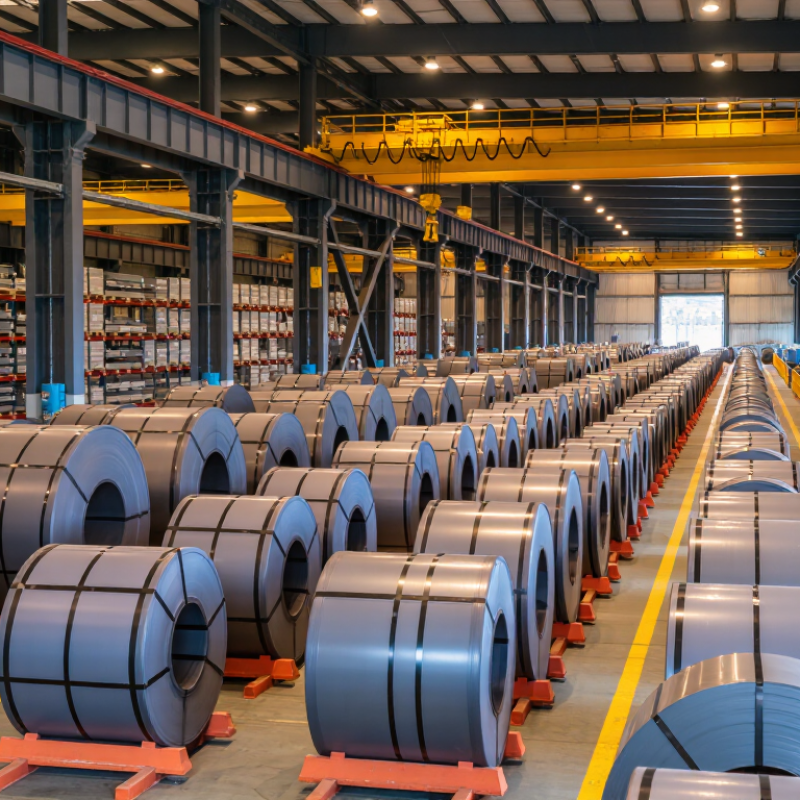
Define Hot Rolled Alloy Spot Inventory and Its Main Uses
How to Find Hot Rolled Alloy Spot Inventory?
Hot rolled alloy spot inventory means material already produced, stored, and available for prompt shipment. It is not a future production slot or a vague mill estimate. The stock usually includes alloy steel plates, sheets, bars, or coils with documented grades and dimensions. Each item should have identifiable heat numbers, production records, and current quantity. Not every listed ton is truly available. That distinction matters.
In practice, I check the supplier’s live inventory, storage location, and material condition before requesting a quotation. A reliable stock list should show grade, thickness, width, length, surface condition, and available weight. Ask for the material test certificate and confirm whether the numbers match the physical tags. A warehouse photograph can help, but it should not replace inspection. I have occasionally treated an online stock figure as final; that was a mistake.
Hot rolled alloy spot inventory supports many industrial uses. Fabricators use plate for machine bases, structural frames, support brackets, and heavy equipment components. Bars may serve shafts, pins, rollers, or parts requiring greater strength than ordinary carbon steel. Engineers often choose these materials for their balance of toughness, strength, and practical machinability. Still, the best grade depends on welding, load, temperature, and finishing requirements. A fast purchase can become expensive when thickness tolerance or surface scale is overlooked. Clear specifications make the search more accurate.
Identify Required Alloy Grades, Sizes, Quantities, and Delivery Terms
How to Find Hot Rolled Alloy Spot Inventory?
Finding hot rolled alloy spot inventory starts with a precise material request. Define the alloy grade, thickness, width, length, quantity, and required tolerance. Include surface condition, heat treatment, and inspection documents. A vague request can produce a fast quotation, but not a usable product.
Market scale can create false confidence. The World Steel Association reported 1.892 billion tonnes of crude steel production in 2023. However, this figure does not confirm availability for a specific alloy grade or size. Ask suppliers to verify actual warehouse stock, heat numbers, manufacturing dates, and mill test certificates. Request photographs showing markings and plate edges. Compare net and theoretical weight carefully. I have seen “in stock” listings become production commitments after clarification.
Tips: Build a short specification sheet before contacting stockholders. State whether you accept cut lengths or require full plates. Confirm delivery terms, loading location, export packing, freight responsibility, and the deadline for dispatch. For FCA or EXW transactions, clarify who arranges pickup and documentation. For delivered orders, confirm the named destination and unloading conditions. The OECD’s Steel Market Developments reports highlight continuing volatility in steel demand and trade flows, so delivery promises need written evidence. Leave room for review. One overlooked tolerance can invalidate an otherwise attractive offer.
How to Find Hot Rolled Alloy Spot Inventory
Compare required alloy grades, dimensions, quantities, and delivery terms before contacting stockholders. The screening view below uses common ASTM stainless steel grades and practical plate-size requirements.
Larger inventory-to-requirement ratios generally indicate better spot-availability potential. Confirm heat numbers, mill certificates, surface condition, cutting tolerance, Incoterms, and dispatch date before placing an order.
Verify Material Quality, Certification, Availability, and Pricing
How to Find Hot Rolled Alloy Spot Inventory
Finding hot rolled alloy spot inventory requires more than checking an online stock list. Start by confirming the exact grade, thickness, width, length, and required quantity. Ask for the heat number and match it with the material test certificate. The certificate should show chemical composition, mechanical results, heat treatment, and applicable standards. A certificate alone is not proof of current quality. Inspect surface scale, edge condition, flatness, and visible damage when possible. For critical applications, request an independent inspection or ultrasonic testing report.
Availability must be verified physically. Ask whether the material is ready stock, reserved, or still in production. Request recent warehouse photos, piece counts, and the actual storage location. Check if cutting, repacking, or testing will change the delivery date. Pricing should include the full landed cost, not only the quoted price per ton. Compare freight, inspection fees, cutting charges, taxes, and minimum order requirements. I have seen attractive quotes become expensive after these details appeared. Some stock records are also imperfect, so written confirmation matters.
Tips: Request a certificate sample before ordering. Confirm heat numbers on packing lists. Compare at least three offers. Record every specification in writing. Allow time for a physical recheck.
Compare Offers and Secure the Most Suitable Spot Inventory
Finding hot rolled alloy spot inventory is not only a price exercise. The right offer must match your technical requirements, delivery schedule, and inspection standards. Ask each supplier for the exact alloy grade, thickness, width, quantity, storage location, and production status. Confirm whether the material is genuinely available or only expected soon.
Compare offers on a single worksheet. Include unit price, cutting charges, freight, insurance, taxes, and delivery terms. Check the heat number against the mill test certificate. Review tensile strength, chemical composition, dimensional tolerances, and surface condition. A photograph of bundled plates can reveal rust, edge damage, or inconsistent markings. That detail matters.
A reliable supplier should provide a clear stock confirmation, certificate copies, inspection options, and a written validity period. Request a reservation deadline when several buyers may want the same lot. Payment terms deserve equal attention, especially for urgent purchases. I have learned that the lowest quote can become expensive after reprocessing or delayed transport. Sometimes, I still focus too much on the headline price. A better comparison considers usable material, not nominal weight. Before securing the inventory, confirm packaging, loading arrangements, replacement procedures, and the responsible contact person. Keep every commitment in writing.
How to Find Hot Rolled Alloy Spot Inventory? - Compare Offers and Secure the Most Suitable Spot Inventory
Comparison of readily available hot rolled alloy steel plate offers by material grade, size, stock quantity, commercial terms, inspection status, and delivery readiness.
Hot Rolled Alloy Steel Spot Inventory Comparison
| Offer |
Material Grade |
Applicable Standard |
Thickness |
Width |
Length |
Available Quantity |
Surface Condition |
Unit Price |
Minimum Order |
Inspection Documents |
Delivery Readiness |
Trade Term |
Offer Validity |
Suitability |
| Offer A |
ASTM A387 Grade 11 Class 2 |
ASTM A387 / ASME SA-387 |
12 mm |
2,000 mm |
6,000 mm |
42.6 metric tons |
Hot rolled, shot blasted, primed |
US$1,180 / metric ton |
10 metric tons |
Mill test certificate; EN 10204 3.1 |
Ready in 7 days |
FOB main seaport |
7 calendar days |
Balanced value |
| Offer B |
ASTM A387 Grade 22 Class 2 |
ASTM A387 / ASME SA-387 |
16 mm |
2,000 mm |
8,000 mm |
28.4 metric tons |
Hot rolled, descaled |
US$1,345 / metric ton |
14 metric tons |
Mill test certificate; ultrasonic test report |
Ready after inspection |
CFR destination port |
5 calendar days |
High-temperature service |
| Offer C |
ASTM A240 Type 304 |
ASTM A240 / ASME SA-240 |
8 mm |
1,500 mm |
6,000 mm |
61.8 metric tons |
Hot rolled, annealed, pickled |
US$2,420 / metric ton |
5 metric tons |
Mill test certificate; PMI report |
Ready in 5 days |
FOB main seaport |
10 calendar days |
Corrosion-resistant applications |
| Offer D |
ASTM A240 Type 316L |
ASTM A240 / ASME SA-240 |
10 mm |
2,000 mm |
6,000 mm |
19.7 metric tons |
Hot rolled, annealed, pickled |
US$3,180 / metric ton |
10 metric tons |
Mill test certificate; PMI and intergranular corrosion test |
Limited stock |
CIF major port |
3 calendar days |
Marine and chemical service |
| Offer E |
ASTM A572 Grade 50 |
ASTM A572 / ASME SA-572 |
20 mm |
2,500 mm |
12,000 mm |
75.2 metric tons |
Hot rolled, shot blasted |
US$890 / metric ton |
20 metric tons |
Mill test certificate; dimensional inspection report |
Ready in 10 days |
EXW warehouse |
14 calendar days |
Lowest price |
| Offer F |
ASTM A588 Grade B |
ASTM A588 / ASME SA-588 |
12 mm |
2,000 mm |
6,000 mm |
33.5 metric tons |
Hot rolled, descaled |
US$1,120 / metric ton |
10 metric tons |
Mill test certificate; atmospheric corrosion test data |
Ready after inspection |
FCA inland terminal |
7 calendar days |
Weathering steel projects |
| Offer G |
EN 10025-2 S355J2+N |
EN 10025-2 |
15 mm |
2,000 mm |
6,000 mm |
48.9 metric tons |
Normalized, shot blasted |
US$930 / metric ton |
10 metric tons |
EN 10204 3.1 certificate; impact test report |
Ready in 8 days |
CFR destination port |
7 calendar days |
Structural fabrication |
| Offer H |
ASTM A516 Grade 70 |
ASTM A516 / ASME SA-516 |
25 mm |
2,500 mm |
12,000 mm |
36.1 metric tons |
Normalized, ultrasonic tested |
US$1,060 / metric ton |
18 metric tons |
Mill test certificate; full UT report; impact test report |
Ready in 12 days |
FOB main seaport |
5 calendar days |
Pressure vessel fabrication |





 +86 18865111877