What is Hot Rolled Steel Carbon Plate and Its Benefits?
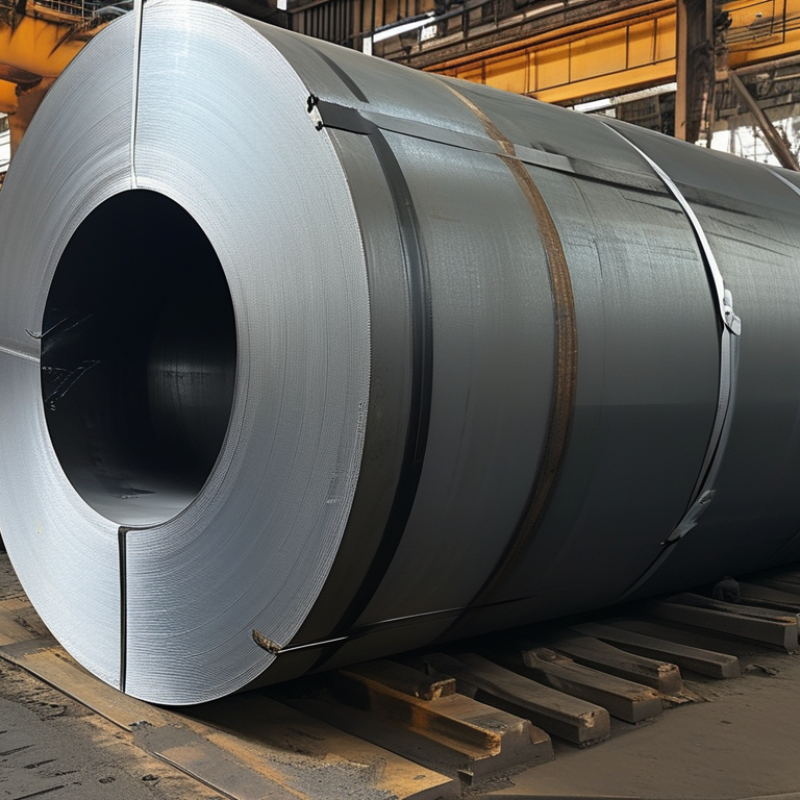
Hot Rolled Steel Carbon Plate is a vital material in various industries. Its unique properties make it suitable for different applications. This plate offers advantages like enhanced strength and flexibility.
Many manufacturers favor Hot Rolled Steel Carbon Plate for structural components. Its ability to withstand heavy loads is impressive. The production process ensures that the steel retains its toughness even after rolling.
However, potential users should consider some limitations. While it is robust, it may not suit all environments. It's essential to weigh its benefits against specific project needs. Understanding these aspects leads to more informed decisions in material selection.
Definition of Hot Rolled Steel Carbon Plate
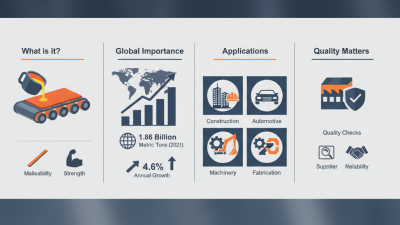
Hot rolled steel carbon plate is a vital material in various industries. It is produced by rolling steel at high temperatures, which allows for significant deformation and shaping. The process enhances the material's mechanical properties. According to the American Iron and Steel Institute, hot rolled steel accounts for around 70% of total steel production. This high volume underscores its importance in structural applications.
Typically, hot rolled steel carbon plates are utilized in construction, shipbuilding, and automotive manufacturing. The ease of fabrication and versatile nature make it a popular choice. For instance, reports indicate that hot rolled steel's yield strength ranges from 300 MPa to 550 MPa. Such strength allows for robust structures while maintaining lighter weights.
Despite its benefits, there are considerations. Hot rolled steel can have surface imperfections and dimensional tolerances that might not meet specific project requirements. This variability can lead to challenges in precision engineering. Additionally, the material's susceptibility to rusting necessitates protective coatings in certain applications. Recognizing these aspects is crucial for making informed decisions in material selection.
Hot Rolled Steel Carbon Plate Usage in Different Industries
Manufacturing Process of Hot Rolled Steel Carbon Plate
The manufacturing process of hot rolled steel carbon plate begins with raw steel ingots or slabs. These materials are heated to a temperature above their recrystallization point, typically around 1,700°F. At this temperature, the steel is malleable. It can be easily shaped and formed. As the material passes through rollers, it is compressed to achieve the desired thickness. This process can result in plates ranging from 1/8 inch to several inches in thickness.
During hot rolling, the steel undergoes significant changes. It retains its larger grain structure, which contributes to its high ductility. According to the World Steel Association, hot rolled steel accounts for nearly 90% of the steel used in construction applications. However, it is important to note that the final properties of the steel can vary. Factors such as temperature and rolling speed play crucial roles. Misjudgments during these steps may lead to inconsistent thickness or surface defects.
Quality control is critical in this process. Regular inspections and adjustments are necessary to ensure the final products meet strict industry standards. Despite advancements in technology, variability remains a challenge. Manufacturers must balance efficiency with the accuracy of the plates. Such considerations are essential for maintaining the integrity and reliability of the final product in demanding applications.
Key Advantages of Hot Rolled Steel Carbon Plate
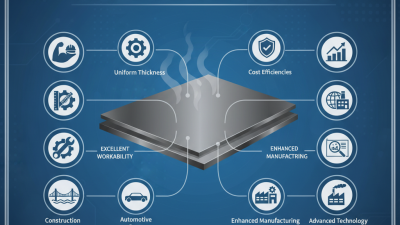
Hot rolled steel carbon plate is a widely used material noted for its many benefits. Its manufacturing process involves rolling steel at high temperatures, allowing for easier shaping and forming. One key advantage is its cost-effectiveness. Reports indicate that hot rolled steel is typically cheaper to produce. This is due to the lower energy requirements during manufacturing compared to cold rolled counterparts.
Another significant benefit is its enhanced mechanical properties. Hot rolled steel often exhibits better ductility and malleability. According to industry studies, hot rolled steel can withstand deformation without cracking, which makes it ideal for construction and heavy manufacturing. This property is crucial for applications where force and impact are involved.
However, it’s essential to consider the challenges associated with hot rolled steel. The surface finish may not be as smooth as desired for some applications. Additionally, the material can be prone to warping if not handled properly. These imperfections warrant reflection and may affect the end-use. Ensuring proper handling and processing can mitigate such issues. This awareness encourages ongoing improvements in techniques and innovations.
Common Applications for Hot Rolled Steel Carbon Plate
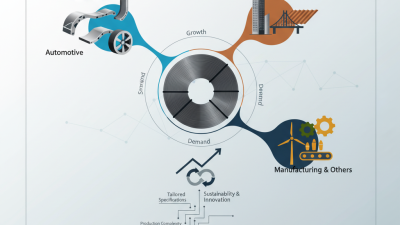
Hot rolled steel carbon plate is widely used across various industries. Its unique properties make it suitable for construction, manufacturing, and automotive applications. For instance, the American Iron and Steel Institute (AISI) indicates that hot rolled steel offers better workability and formability compared to cold rolled steel. These characteristics are essential for industries that require large quantities of steel plates, such as structural engineering.
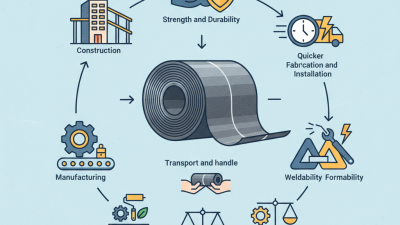
The versatility of hot rolled steel makes it a common choice for structural beams, metal frames, and machinery parts. According to a recent report from the Steel Manufacturers Association, the construction sector accounts for over 45% of total steel consumption in the United States. This highlights the growing demand for hot rolled steel plates in building infrastructure. Additionally, its low-cost production process leads to accessible pricing, reinforcing its presence in manufacturing.
However, challenges remain. Hot rolled steel plates can exhibit surface imperfections, which may affect aesthetic quality in visible constructions. Furthermore, their mechanical properties vary, leading to potential inconsistencies during critical applications. Addressing these nuances is crucial for industries that rely on precision and reliability. As the demand for hot rolled steel continues to rise, understanding its advantages and limitations becomes vital for companies aiming for sustainable development.
Maintenance and Care for Hot Rolled Steel Carbon Plate
Hot rolled steel carbon plates are widely used in various industries. They are known for their strength and durability. However, proper maintenance and care are crucial to ensure their longevity. Regular inspection is essential. It helps identify any surface rust or scratches. Such issues can lead to more significant problems if not addressed quickly.
Cleaning is a vital aspect of maintenance. Use a mild detergent and water for routine cleaning. Avoid harsh chemicals that may damage the steel surface. Reports indicate that maintaining a clean surface can extend the lifespan of hot rolled steel by 20%. Additionally, protective coatings can be beneficial. These coatings help prevent oxidation.
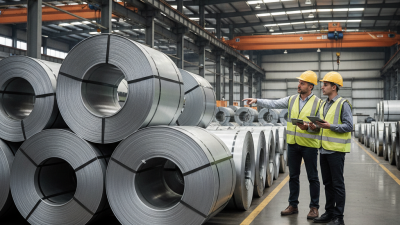
Storing the plates correctly is just as important. Store them in a dry, covered area to minimize exposure to moisture. Proper storage can help eliminate 90% of rust issues. Regular maintenance and care promote the structural integrity of hot rolled steel carbon plates. Ignoring these practices can lead to costly repairs or replacements in the long run.



 +86 18865111877