Why Choose Hot Rolled Steel Plate Carbon for Your Manufacturing Needs?
Hot Rolled Steel Plate Carbon is a crucial material in the manufacturing industry. Its unique properties make it suitable for various applications. When selecting materials, it's essential to consider their performance and reliability.
This type of steel plate offers excellent strength and durability. It is particularly favored for structural applications. Businesses often choose Hot Rolled Steel Plate Carbon for its cost-effectiveness. However, it's important to remember that quality can vary. Not all suppliers deliver the same standards.
Manufacturers must conduct thorough research before making a purchase. Evaluating suppliers and understanding material specifications are vital steps. Ultimately, choosing the right steel can impact overall production quality. This decision ought to be taken seriously.
Understanding Hot Rolled Steel Plate Carbon: Definition and Properties
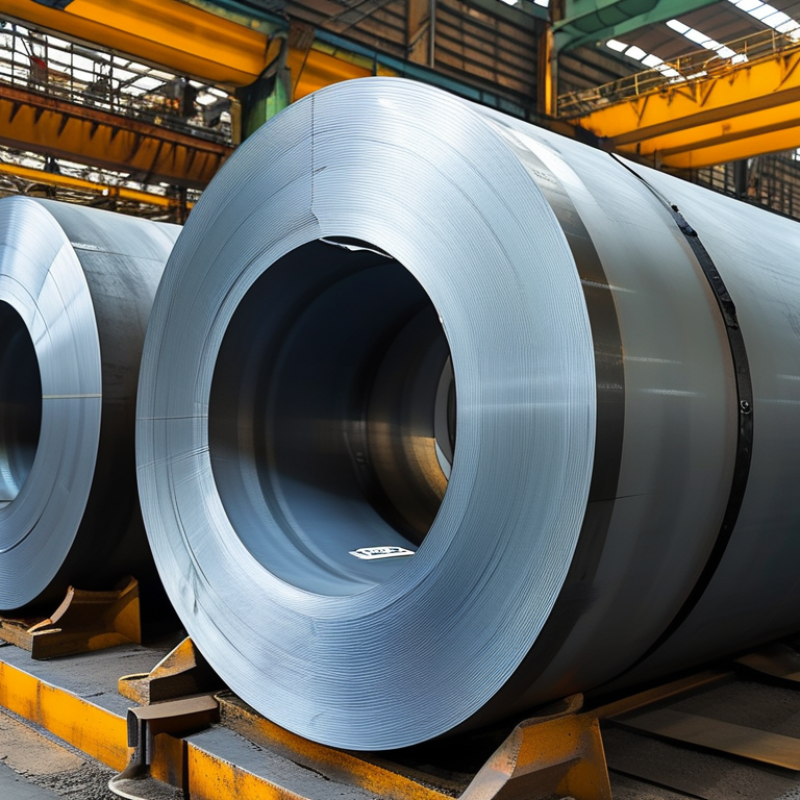
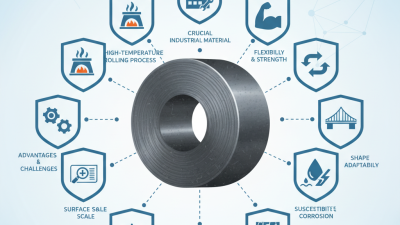
Hot rolled steel plate carbon is a fundamental material in manufacturing and construction. It boasts a unique combination of properties that make it suitable for various applications. The process of hot rolling involves heating steel to a high temperature and then shaping it. This method enhances the material's workability and strength.
One of the key characteristics of hot rolled steel plate carbon is its ductility. This property allows the steel to be molded into different shapes without breaking. Additionally, it exhibits good weldability, making it a favorite among fabricators. The surface of hot rolled steel typically has a rough finish, which may not be ideal for all applications. However, this finish can provide better adhesion for coatings.
Despite its advantages, hot rolled steel plate carbon has limitations. It can be less precise than cold rolled steel due to its manufacturing process. Dimensional tolerances may not be as tight, which may be a concern in specific projects. Users must consider these factors before choosing this material. Understanding the properties of hot rolled steel is essential for informed manufacturing decisions.
Why Choose Hot Rolled Steel Plate Carbon for Your Manufacturing Needs?
The chart above illustrates the key mechanical properties of Hot Rolled Steel Plate Carbon, showcasing its yield strength, tensile strength, elongation, and hardness. These properties highlight why it is a preferred material in various manufacturing applications.
Key Advantages of Hot Rolled Steel Plate in Manufacturing Applications
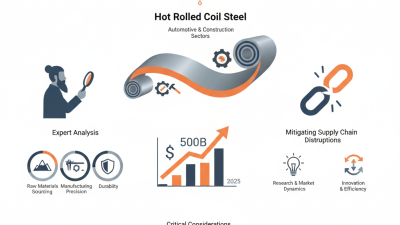
Hot rolled steel plate carbon is a vital material in various manufacturing applications. Its benefits are particularly valuable in industries such as construction and automotive. According to the World Steel Association, hot rolled steel accounts for approximately 50% of the total steel produced globally. This statistic underscores its significance.
One key advantage of hot rolled steel is its cost-effectiveness. The manufacturing process is less intensive than cold rolling, leading to lower production costs. This aspect is critical for manufacturers aiming to maintain profitability while ensuring quality. Moreover, the versatility of hot rolled steel allows for extensive use in different applications. It can be easily shaped and welded, facilitating efficient production.
However, hot rolled steel does come with certain limitations. Its surface finish isn’t perfect, which can affect appearance. Additionally, it may require further processing for specific applications that demand tighter tolerances. Despite these drawbacks, its structural strength often outweighs other considerations. Manufacturers continue to rely on hot rolled steel plates due to their robustness and ability to withstand high stress.
Why Choose Hot Rolled Steel Plate Carbon for Your Manufacturing Needs? - Key Advantages of Hot Rolled Steel Plate in Manufacturing Applications
| Advantage |
Description |
Applications |
Material Properties |
| Cost-Effective |
Hot rolled steel is cheaper to produce compared to cold rolled options, making it an economical choice for large projects. |
Structural frames, automotive components, and heavy machinery. |
High yield strength and excellent ductility. |
| Versatility |
Can be used in a variety of applications due to its wide range of sizes and shapes. |
Construction, machinery parts, and rail tracks. |
Customizable thickness and width with good mechanical properties. |
| Enhanced Strength |
The hot rolling process improves the strength characteristics of the steel. |
Industrial equipment, shipbuilding, and manufacturing tools. |
Excellent tensile strength and impact resistance. |
| Surface Finish |
Characteristics of hot rolled steel have a rough finish but are appropriate for many applications requiring strength over aesthetics. |
Construction frameworks and industrial applications. |
Weaker oxidized layer compared to cold rolled, but beneficial properties are maintained. |
Comparative Analysis: Hot Rolled vs. Cold Rolled Steel Plates
When it comes to choosing between hot rolled and cold rolled steel plates, understanding their differences is crucial for manufacturing. Hot rolled steel plates are created by rolling the steel at high temperatures. This process allows for easier shaping and reduces the risk of hardening. They are often cheaper and are excellent for structural applications.
In contrast, cold rolled steel plates are processed at room temperature. This results in a smoother finish and tighter tolerances. However, they tend to be more expensive and can possess higher strength. Ultimately, your choice should depend on the specific needs of your project.
Tip: When selecting steel plates, consider the overall cost versus the specific requirements. Ensure you're aware of your project's load requirements and environmental factors.
Both hot rolled and cold rolled plates have their advantages. Hot rolled plates are better for larger projects with less precision. Cold rolled plates offer a refined surface for finishes that require detailed aesthetics.
Tip: Always test samples before committing to a large order. This step will help you identify issues early on and reflect on material performance.
Common Industries Utilizing Hot Rolled Steel Plate Carbon
Hot rolled steel plate carbon is widely used in various industries due to its versatile properties. The construction sector heavily relies on these plates. According to the World Steel Association, over 1.8 billion tons of steel were consumed in construction globally in 2020. This usage emphasizes the importance of hot rolled steel in building structures, bridges, and heavy equipment.
The automotive industry also benefits significantly from hot rolled steel plate carbon. Reports show that around 40% of a typical car's weight comes from steel, primarily hot rolled varieties. Vehicles require strong and lightweight materials for safety and efficiency. Hot rolled steel meets these standards, helping manufacturers achieve their goals. However, the process does have challenges. Variations in thickness and surface quality can affect performance.
Moreover, the energy sector utilizes hot rolled steel for fabricating equipment and supporting structures. In 2021, the International Energy Agency stated that renewable energy investments rose to $1 trillion. Hot rolled steel plays a key role in wind turbines and solar panels. Yet, manufacturers must seek continuous improvements in quality control to enhance durability and performance.
Cost-Effectiveness and Sustainability Considerations in Steel Selection
Hot rolled steel plates are gaining traction in various manufacturing sectors due to their cost-effectiveness. According to the World Steel Association, the global steel production reached over 1.8 billion tons in 2021, indicating a robust demand for efficient materials. The production of hot rolled steel is more economical compared to cold rolled alternatives. It requires less energy and fewer processing steps, significantly reducing costs. This efficiency translates to lower prices for manufacturers, making it an attractive option.
Sustainability is also a critical factor. A report from the American Iron and Steel Institute highlights that recycling offers a substantial reduction in carbon emissions. The steel industry can recycle nearly 90% of its material. This fact is essential for manufacturers focused on minimizing their environmental footprint. Choosing hot rolled steel aligns with sustainability goals while meeting industrial demands. Despite the benefits, there are challenges, such as limited dimensional tolerances. Manufacturers must weigh these trade-offs carefully and consider their specific needs.



 +86 18865111877