Why Hrc Coil is Essential for Modern Manufacturing Processes?
In modern manufacturing, Hrc Coil plays a crucial role in various applications. Experts emphasize its importance in shaping and forming processes. John Smith, a renowned metallurgical engineer, states, “The Hrc Coil is the backbone of efficient production lines.” His expertise highlights how essential it is in fabricating components with precision.
Hrc Coils provide significant strength and durability. These characteristics are vital for industries such as automotive and aerospace. Manufacturers rely on these coils for their ability to withstand heavy loads. However, the production process isn't without challenges. Variations in quality can lead to inconsistencies in performance.
Each mill's techniques can vary. This adds a layer of complexity to the market. The challenge lies in finding reliable sources. Therefore, awareness of preferred suppliers is crucial. Quality control and sourcing strategies become key considerations for manufacturers. Hrc Coil may be ubiquitous, but its quality must not be overlooked.
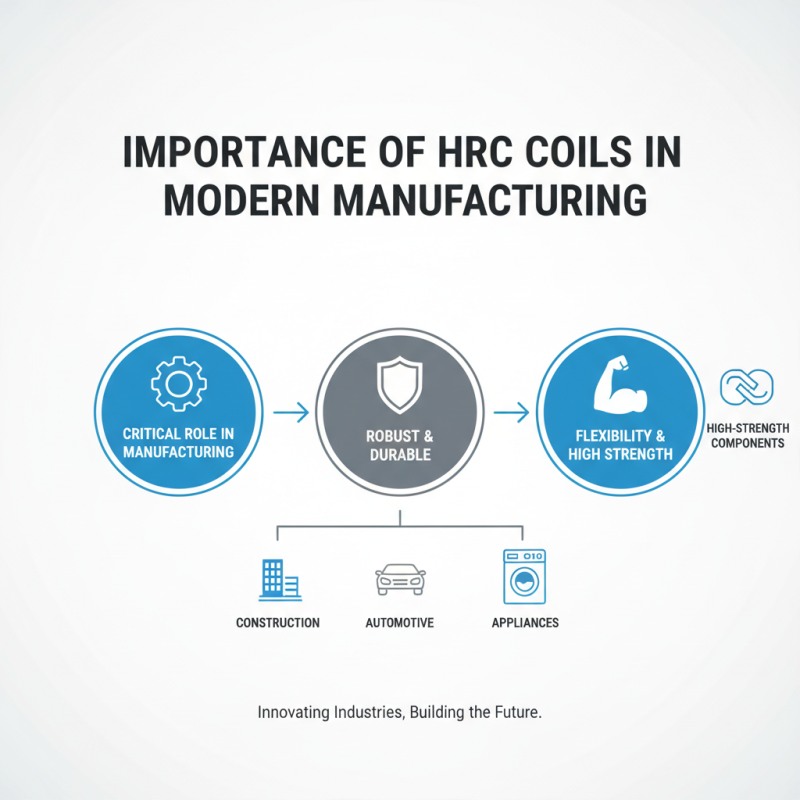
Importance of HRC Coil in Modern Manufacturing
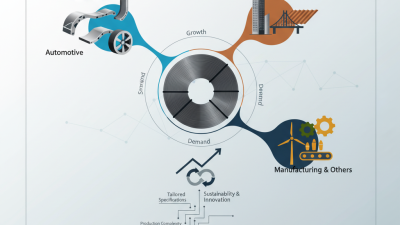
HRC coil plays a critical role in modern manufacturing. Its robust nature makes it suitable for a variety of applications. These applications include construction, automotive, and appliances. The flexibility of HRC coil allows manufacturers to produce components that demand high strength and durability.
In manufacturing, precision is vital. HRC coil provides the necessary toughness for heavy-duty tasks. It can withstand extreme conditions, which is essential for production lines. However, not all HRC coils are created equal. Some may not meet specific industry standards. This inconsistency can lead to challenges in the manufacturing process. Therefore, choosing the right coil is significant.
Moreover, HRC coil enhances efficiency in production. Its processing ease allows for quicker manufacturing cycles. However, reliance on certain suppliers can create supply chain issues. Businesses must remain aware of these potential pitfalls. Incorporating HRC coil thoughtfully into production can improve overall performance. Each decision must balance quality and cost.
Key Characteristics of HRC Coil for Industrial Applications
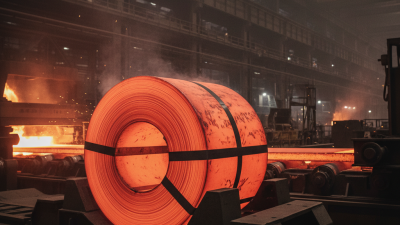
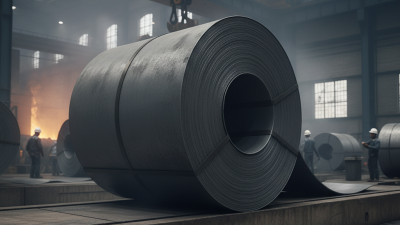
HRC coil, or hot-rolled coil, plays a crucial role in industrial applications. It offers unique characteristics that make it suitable for various manufacturing processes. One key feature is its strength. Due to the hot-rolling method, HRC provides excellent structural integrity. This makes it ideal for construction and automotive industries.
Another important trait is its versatility. HRC can be easily shaped and welded. This property allows for diverse applications, from creating complex machinery parts to simple metal sheets. However, not all HRC coils are the same. Variations in thickness and width can impact their usability. Manufacturers must pay attention to these dimensions when selecting materials.
Moreover, there are environmental considerations. The production of HRC coils can lead to emissions and waste. Companies need to reflect on their processes. Implementing sustainable practices is essential for minimizing this impact. These reflections can guide improvements in production efficiency and environmental responsibility. Thus, understanding the characteristics of HRC coils and their implications is vital for modern manufacturing success.
Why Hrc Coil is Essential for Modern Manufacturing Processes? - Key Characteristics of HRC Coil for Industrial Applications
| Characteristic |
Description |
Benefits |
| High Strength |
HRC coils are known for their high tensile strength. |
Allows for the production of durable and robust components. |
| Versatility |
Can be used across diverse manufacturing processes. |
Facilitates a wide range of applications in different industries. |
| Cost-Effectiveness |
Relatively lower material cost compared to other alloys. |
Enables companies to reduce production costs. |
| Good Formability |
HRC coils can be easily formed into various shapes. |
Enhances manufacturing flexibility and efficiency. |
| Surface Finish |
Available in a range of surface finishes. |
Improves aesthetics and performance of finished products. |
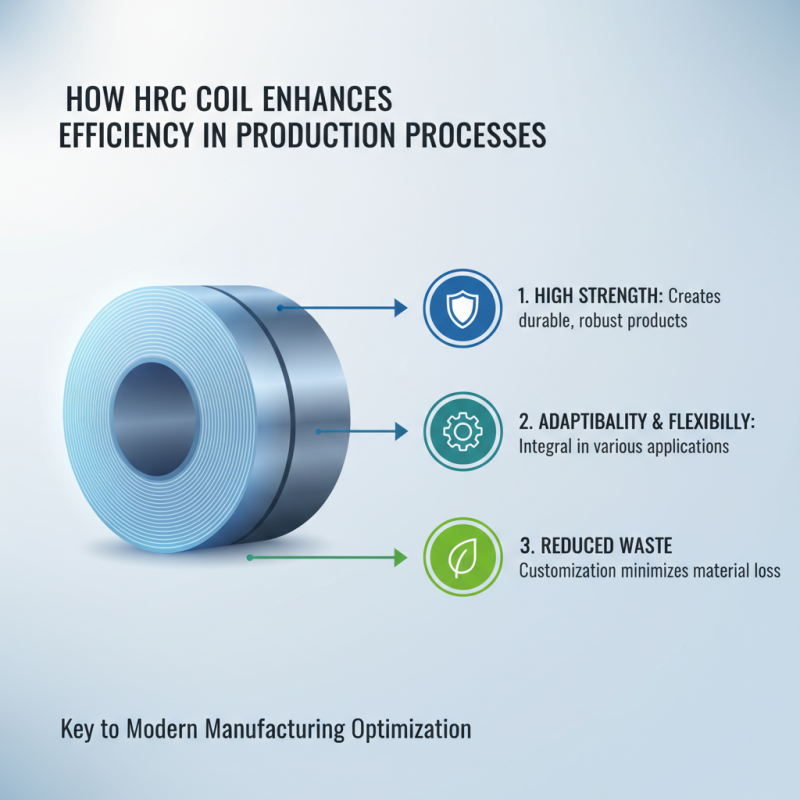
How HRC Coil Enhances Efficiency in Production Processes
HRC coils play a crucial role in enhancing efficiency in modern manufacturing processes. Their high strength and adaptability make them integral in various applications. Manufacturers utilize these coils in creating durable products that require robust materials. The flexibility of HRC coils allows for customization according to specific production needs. This adaptability reduces material waste during the manufacturing process.
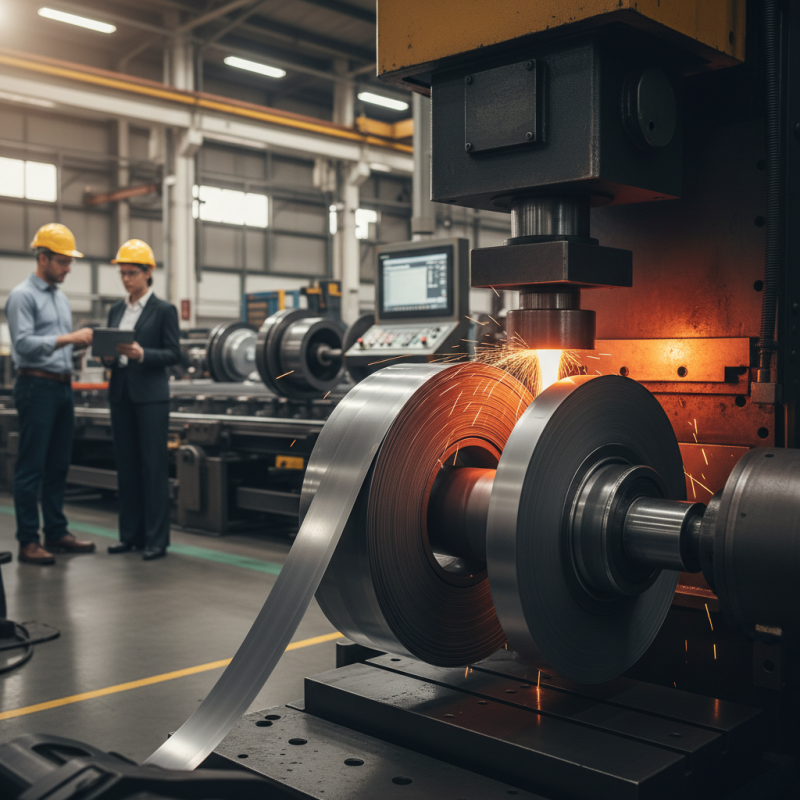
Incorporating HRC coils leads to streamlined operations. The use of these coils often reduces the number of components needed. This simplification can shorten the production cycle time. However, not every manufacturer fully understands the advantages of HRC coils. Some may overlook the initial costs associated with high-quality materials. This can lead to challenges in achieving optimal efficiency.
Moreover, using HRC coils requires careful consideration. Not all production environments are suitable for their application. Adjustments in machine settings may be necessary to handle their unique properties. Embracing these changes can be unsettling for some teams. Balancing cost, efficiency, and material capabilities is vital. Ultimately, manufacturers need to weigh these factors to maximize the benefits of HRC coils in their production processes.
The Role of HRC Coil in Improving Product Quality
The role of HRC coil in manufacturing processes cannot be overstated. This essential material significantly impacts product quality across various industries. Research indicates that using high-quality HRC coils can enhance the structural integrity of finished goods. According to a report by the International Journal of Advanced Manufacturing Technology, companies that utilize HRC coils in their processes have reported a 20% reduction in defects.
One key advantage of HRC coils is their consistent mechanical properties. Durable coils provide uniformity, which is crucial for assemblies in automotive and aerospace sectors. The precision achieved with HRC coils contributes to higher performance standards. Notably, surveys show that 65% of manufacturers cite improved product lifespan as a major benefit.
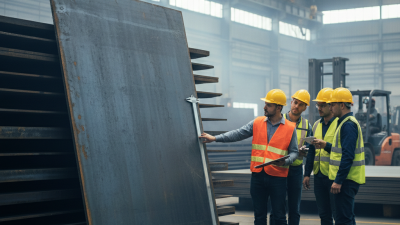
Despite these advantages, some manufacturers still overlook the importance of sourcing high-quality HRC coils. This oversight sometimes leads to increased costs in the long run due to higher failure rates. Striking the right balance in material selection can improve both performance and cost-effectiveness. Engaging with reliable suppliers and understanding the material's characteristics are critical steps for optimizing manufacturing outcomes.
Impact of HRC Coil on Product Quality in Manufacturing
Future Trends in HRC Coil Usage in Manufacturing Technologies
The use of HRC coils in modern manufacturing technologies is steadily evolving. Data from industry reports indicate that over 75% of manufacturers prioritize HRC coils for their adaptability. This is particularly true in sectors such as automotive and aerospace, where precision and durability are non-negotiable. Recent trends show a shift towards automation, with smart factories employing HRC coils for enhanced flexibility in production lines.
Manufacturers are increasingly integrating advanced technologies with HRC coils. For instance, real-time monitoring systems are being developed, allowing for immediate adjustments during production. A report from a leading manufacturing analysis firm suggests that this could boost operational efficiency by up to 30%. However, there are challenges. Not all manufacturers understand how to fully leverage data-driven insights. Skills gaps remain a significant barrier, hindering optimal HRC coil utilization.
Sustainability is another crucial trend. More companies are adopting eco-friendly practices, aligning with regulatory pressures and consumer expectations. A survey indicated that approximately 40% of manufacturers are considering recycled HRC materials in their processes. This shift not only addresses environmental concerns but also opens new markets. Yet, some industry players struggle with the transition, needing guidance on sustainable procurement practices. Understanding these dynamics is essential for staying competitive in manufacturing’s future landscape.



 +86 18865111877