How to Work with Sheet Metal for Your DIY Projects?
Sheet metal is a versatile material widely used in various DIY projects. Its applications range from custom furniture to intricate art installations. According to a recent industry report by Grand View Research, the global sheet metal market is projected to reach over $250 billion by 2025. This highlights the growing interest in sheet metal work among hobbyists and professionals alike.
Working with sheet metal requires specific skills and proper tools. Understanding thickness, types, and finishing techniques is essential. It's not just about cutting and bending metal; a lack of knowledge can lead to waste and frustration. Many DIY enthusiasts find themselves overwhelmed when starting a project. They often overlook the importance of safety measures and equipment. This leads to potential injuries or poor-quality outcomes.
An effective approach combines planning with hands-on experimentation. Familiarizing yourself with various sheet metal types, like aluminum and stainless steel, can help you select the right material for your project. While mistakes are inevitable in the learning process, they offer valuable lessons. Embracing these challenges will enhance your confidence and skill in the world of sheet metal projects.
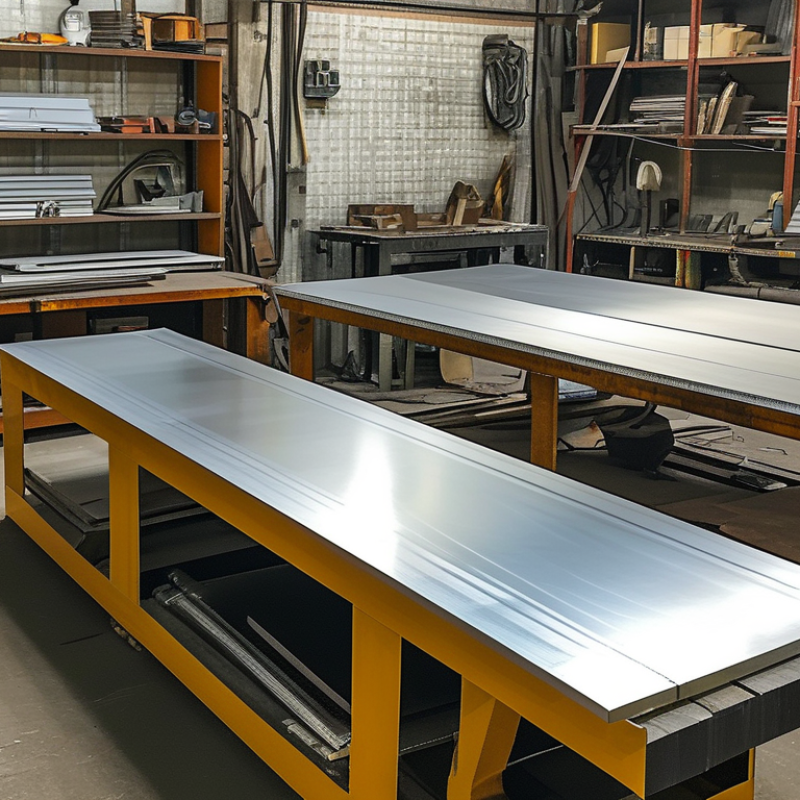
Understanding the Properties of Sheet Metal for DIY Projects
Sheet metal is a versatile material, commonly used in various DIY projects. Understanding its properties can significantly impact your project’s outcome. For instance, according to the American Society of Mechanical Engineers, sheet metal's thickness can range from 0.006 to 0.25 inches. This range affects how it bends, cuts, and shapes. The gauges also determine its strength, with lower gauges indicating thicker metal and higher gauges being thinner.
One critical aspect of sheet metal is its malleability. This property allows it to be shaped without breaking. However, cutting and bending techniques must be precise. Improper handling can lead to sharp edges, posing safety risks. A report from the Fabricators & Manufacturers Association indicates that nearly 25% of workers experience injuries due to metal handling errors. Therefore, it’s essential to wear protective gear and follow safe practices while working with it.
Different types of metals, like aluminum, stainless steel, and galvanized steel, each have unique characteristics. For example, aluminum is lightweight but can be less durable than stainless steel, which offers more strength. Understanding these nuances can help in choosing the right type for specific projects. DIY enthusiasts often overlook the importance of these properties, leading to potential setbacks or project failures. Reflection on past experiences can enhance your ability to utilize sheet metal effectively.
Understanding Sheet Metal Properties for DIY Projects
Essential Tools and Equipment for Working with Sheet Metal
When working with sheet metal, having the right tools is crucial. A basic toolkit includes shears for cutting, a bending brake, and a solid workbench. Many professionals recommend using bench-mounted tools for better precision. A study from the Metal Forming Magazine shows that quality tools can improve project efficiency by over 30%.
Safety equipment is equally important. Always wear gloves and eye protection. The risk of cuts and debris is high. According to the U.S. Bureau of Labor Statistics, over 20,000 injuries occur yearly in metalworking. This underscores the need for protective gear.
Don’t overlook measurement tools. A reliable tape measure and a square can make a significant difference in accuracy. Poorly measured cuts lead to waste. A report by the Fabricators & Manufacturers Association indicates that inaccurate measurements account for 15% of production errors. Reflecting on this, investing time in measurements may ultimately save resources in the long run.
How to Work with Sheet Metal for Your DIY Projects? - Essential Tools and Equipment for Working with Sheet Metal
| Tool/Equipment |
Description |
Uses |
| Sheet Metal Shears |
Handheld cutting tool that can cut through sheet metal. |
Ideal for making straight cuts and curves in the metal. |
| Metal Files |
Tool with a rough surface, used for removing metal and smoothing edges. |
Useful for deburring edges and achieving a smooth finish. |
| Bending Brake |
Tool used to bend sheet metal to a specific angle. |
Perfect for creating folds and bends in metal projects. |
| Rivet Gun |
Tool for applying rivets to join pieces of metal together. |
Commonly used in assembling metal structures. |
| Angle Grinder |
Powerful tool for cutting, grinding, and polishing metal surfaces. |
Versatile for various metalworking tasks. |
| Welding Machine |
Machine that melts metal pieces together to create strong joints. |
Essential for fabricating and repairing metal items. |
| Clamps |
Tools that hold metal pieces together while working on them. |
Important for maintaining stability during cutting or welding. |
Step-by-Step Techniques for Cutting and Shaping Sheet Metal
Working with sheet metal can be a rewarding experience for DIY enthusiasts. The journey begins with cutting the metal. Use a sharp tin snip for straight lines, ensuring you apply steady pressure. For intricate shapes, a jigsaw fitted with a metal cutting blade works wonders. Always wear safety gear; flying metal shards can be dangerous.
Next, shaping the metal requires some finesse. A hammer can reshape small areas, but be mindful of the metal's characteristics. Too much force may create dents you can’t easily correct. For larger bends, a metal brake can provide a clean, precise finish. If you don’t own one, a sturdy workbench can help. Place the metal’s edge over the bench and apply pressure. Careful adjustments are often needed to achieve the desired angle.
Finally, consider finishing touches to your project. Sanding edges smooth prevents sharp hazards. A good polish can enhance appearance. However, the real challenge lies in achieving uniformity. Imperfections will appear, and learning to accept them is part of the art of metalworking. Mistakes can guide you to better techniques and improved skills. Embrace the process and enjoy the creativity involved.
Joining Methods: How to Weld, Rivet, and Solder Sheet Metal
Joining methods in sheet metalworking are vital for any DIY project. Three primary techniques are welding, riveting, and soldering. Each method has its unique advantages and drawbacks.
Welding is perhaps the most robust joining method. It joins metal by melting the edges together, creating a strong bond. According to the American Welding Society, proper welding can enhance structural integrity by over 40%. However, it requires practice and the right safety measures. Due to the intense heat, beginners may find it challenging to control the weld puddle.
Riveting serves as an efficient alternative for thin metals. This process uses metal pins, or rivets, to hold pieces together. It is less heat-intensive than welding, reducing the risk of thermal distortion. The Industrial Design Society reports that riveted joints can last for decades but may not withstand high-stress conditions like welded joints. This could prompt users to think critically about their project's needs.
Soldering, often used for electronic applications, involves melting a filler metal. It's generally easier and safer than welding, making it suitable for newcomers. However, the bond may not be as strong as the other methods. A study from the Sheet Metal and Air Conditioning Contractors' National Association indicates that solder joints can fail under heavy stress. Understanding these methods helps in selecting the right approach for your sheet metal projects.
Safety Precautions When Working with Sheet Metal in DIY Projects
Working with sheet metal can be rewarding, but safety is paramount. When handling sharp edges, wear cut-resistant gloves. These gloves will protect your hands from potential lacerations. A simple mistake can lead to injuries, so be vigilant. Keep your workspace tidy to avoid accidents.
Always wear safety glasses during cutting or grinding. Metal shavings can easily injure your eyes. A proper dust mask is crucial too. It prevents inhalation of harmful particles generated during fabrication. These precautions may seem basic, but they are essential for your safety.
When using power tools, remember to follow the manufacturer’s guidelines. Not all tools are intuitive. Familiarize yourself with each tool before use. Practicing on scrap metal can help build confidence. Reflect on your process regularly. This can help identify areas for improvement, making it safer and more efficient.







 +86 18865111877