2026 Best Hot Rolled Carbon Steel Plate Suppliers?
Finding a dependable hot rolled carbon steel plate supplier in 2026 takes more than comparing prices. Buyers should match plate grade, thickness, width, and surface condition to the job. A plate destined for a welded frame may need different checks from one used in heavy equipment. Details matter.
This guide explains how to assess suppliers using practical, verifiable criteria. Look for clear product data, traceable material documentation, and stated dimensional tolerances. Ask whether inspection reports or mill test certificates are available, and confirm that the listed specifications fit your project. The phrase Hot Rolled Steel Plate Carbon may appear in product searches, but wording alone does not prove quality or suitability.
Delivery also deserves close attention. Check stock status, cutting options, packaging, and realistic lead times before placing an order. A low quote can become less attractive if freight, delays, or additional processing are excluded. No shortlist is perfect. Supplier capabilities vary by region, order size, and current inventory, so confirm key details directly rather than relying on broad claims. This overview offers a structured starting point, not a substitute for engineering review. With careful questions and specification checks, buyers can compare potential suppliers more confidently and reduce avoidable surprises.
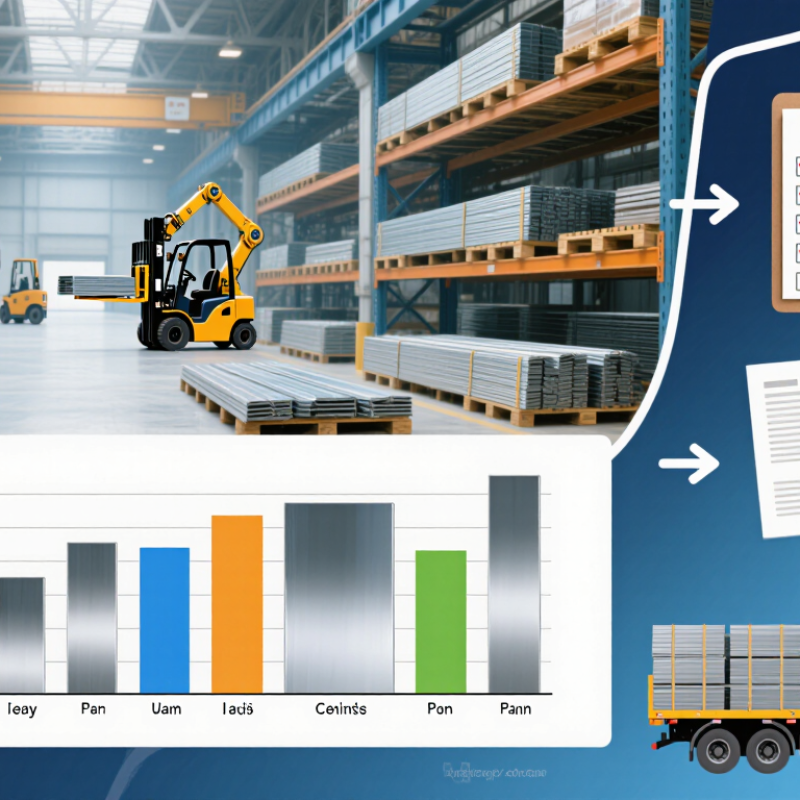
Understanding Hot Rolled Carbon Steel Plate and Its Common Grades
Hot-rolled carbon steel plate is made by rolling heated steel slabs into flat, relatively thick sheets. The process suits structural frames, machinery bases, and welded tanks. Its surface may carry dark mill scale, and thickness can vary within specified tolerances. That detail matters during fit-up.
Common grades serve different needs. ASTM A36 is widely used for general structural work, while A572 Grade 50 offers higher yield strength for many structural applications. A516 Grade 70 is commonly specified for pressure-vessel plate, subject to the applicable design requirements. Grade names alone are not enough; chemistry, thickness, toughness, and welding procedures also affect suitability.
The World Steel Association’s World Steel in Figures 2025 reports 1,882.6 million tonnes of global crude steel production in 2024. This is industry-wide output, not plate production, but it shows the scale behind steel supply.
Tips
Check the material test certificate against the purchase specification. Confirm dimensions, grade, and required impact testing before cutting. Inspect edges and surface scale on delivery. Small discrepancies can become expensive later. A familiar grade is not automatically the right grade.
Key Criteria for Evaluating Steel Plate Suppliers in 2026
A dependable hot rolled carbon steel plate supplier should provide more than a price and an estimated ship date. Ask for material test reports that identify the heat number, chemical composition, and mechanical properties. Then compare those details with the grade and specification required for your project. A certificate is useful only when its scope and plate identification match the material delivered. Details matter.
Check whether the supplier can hold the thickness, width, length, and flatness tolerances your fabrication process needs. A plate that arrives slightly bowed can add time at the cutting table. Ask how plates are inspected, marked, protected from moisture, and prepared for transport. If you need cut-to-size pieces, confirm cutting tolerances and whether edge conditions are documented. Request a sample report or inspection record before placing a large order.
Availability deserves careful checking in 2026. Ask for current stock confirmation, realistic lead times, and written notice of any substitutions. Clarify how shortages, dimensional discrepancies, or damaged packaging are handled. A low quote can lose its appeal if delivery slips or paperwork arrives late. No checklist removes every risk; even experienced buyers can miss a small mismatch. That is why clear records and direct answers matter.
Comparing Supplier Capabilities, Certifications, and Product Range
A reliable hot rolled carbon steel plate supplier should provide more than an attractive price. Compare available grades, thicknesses, widths, cut-to-size services, and typical lead times. Ask whether plates are supplied with mill test certificates and traceable heat numbers. These details help connect the paperwork to the material delivered. Certifications also deserve careful review. An ISO 9001 certificate describes a quality management system; it does not, by itself, prove that every plate meets your specification. Check its scope and validity, then confirm the requested standard, chemistry, mechanical properties, and tolerances in writing.
Tips: Request a sample inspection report before ordering. Compare quoted dimensions and tolerances line by line. Clarify packaging, loading, and replacement procedures for damaged or nonconforming plates.
Product range matters when projects change. A supplier stocking several thicknesses and grades may reduce split orders, but verify actual availability rather than relying on a catalogue. Ask how the supplier handles surface scale, edge condition, and cutting accuracy. A few millimetres can matter during fabrication. No checklist catches everything, and a polished quotation can still leave gaps. Share a representative drawing or specification, and have both sides confirm the details before production.
How to Assess Pricing, Lead Times, and Delivery Coverage
2026 Best Hot Rolled Carbon Steel Plate Suppliers?
How to Assess Pricing, Lead Times, and Delivery Coverage
A quoted price is useful only when the specifications match. Compare grade, thickness, width, length, tolerances, and required documentation across suppliers. Check whether cutting, edge preparation, protective wrapping, and freight are included. A low price may exclude several of these costs. Ask for the basis. Confirm the quote’s validity period, payment terms, and any minimum order quantity. For a practical comparison, calculate the delivered cost per tonne, not just the plate price.
Lead times need similar scrutiny. Ask whether the material is in stock or still requires production, and request separate dates for processing and dispatch. A supplier’s estimate should account for cutting, inspection, and transport, not just mill availability. Dates can move. Get key milestones in writing, then confirm them again before placing the order. A spreadsheet helps, but it cannot make an uncertain production schedule certain.
Delivery coverage means more than serving your region. Confirm the exact destination, unloading arrangements, vehicle access, and whether the delivery price includes waiting time. Ask how plates are bundled and protected; wet packaging or poor restraint can create problems on arrival. Check what happens if a truck is delayed or a plate arrives damaged. Even a careful assessment can overlook a small handling charge, so compare the final written terms—not a sales estimate alone.
Steps for Verifying a Supplier Before Placing an Order
Before ordering hot rolled carbon steel plate, verify that the supplier can match your actual specification, not just offer a low price. Send the required grade, thickness, width, length, quantity, and intended application in writing. Ask for a recent mill test certificate showing chemical composition and mechanical properties. Check that its heat number matches the plate markings and paperwork. A polished PDF is not enough if the details do not line up.
Confirm tolerances, surface condition, edge finish, and available inspection records before approving the order. Ask how the plates are stored and protected; rust marks, bent corners, or wet packing can create problems on arrival. Request clear photos of the available stock, including its identification marks, and clarify whether the material is in stock or still being produced. Small details matter. They are also easy to miss.
Check the supplier’s business details, relevant trade references, and ability to arrange transport to your location. Agree on inspection, packaging, delivery timing, and payment terms in a written quotation. If the order is large or specifications are unfamiliar, consider arranging an independent inspection before dispatch. I would not treat a fast reply as proof of reliability; it can be useful, but it does not replace traceable documents. Even careful buyers sometimes rush this step. Pause, compare the paperwork, and resolve unclear answers before placing the order.
2026 Hot-Rolled Carbon Steel Plate Supplier Verification
Use the ordered grade and thickness to check the supplier’s mill test report (MTR) against the applicable ASTM specification. The chart shows commonly referenced minimum strengths in ksi; thickness-specific requirements and the current standard edition may affect values. Confirm the full requirements before placing an order.





 +86 18865111877