Top 10 Hot Rolled Steel Carbon Plate Types Worldwide
Hot Rolled Steel Carbon Plate remains a foundational material in global construction, manufacturing, shipbuilding, energy, and heavy equipment. Its strength begins with controlled chemistry, then develops through reheating, rolling, cooling, and inspection. Plate leaves the mill with a warm surface, visible scale, and measurable characteristics that determine how it performs in demanding conditions.
Professor H. K. D. H. Bhadeshia, a respected steel metallurgist, has stated, “Steel is an alloy of iron and carbon.” That simple sentence carries important meaning. Carbon content, manganese levels, rolling temperature, and cooling speed can change hardness, toughness, weldability, and forming behavior. Experience from fabrication shops also matters. A plate that looks excellent on a test report may still create difficulties during cutting, bending, or welding.
This guide examines the Top 10 Hot Rolled Steel Carbon Plate Types Worldwide. It compares common grades, structural applications, strength ranges, surface conditions, and practical selection factors. The discussion includes widely used categories for bridges, pressure-related equipment, machinery, storage tanks, and general fabrication. Standards differ between regions, so buyers should verify certificates, dimensions, impact requirements, and delivery conditions.
No ranking is completely universal. A low-cost plate may be the wrong choice near repeated impact or severe welding heat. Some classifications also overlap. That is worth admitting.
The most reliable decision combines laboratory data with field experience. This overview provides a clear starting point, not a substitute for engineering review. Each application deserves careful attention to load, temperature, corrosion exposure, fabrication method, and service life.
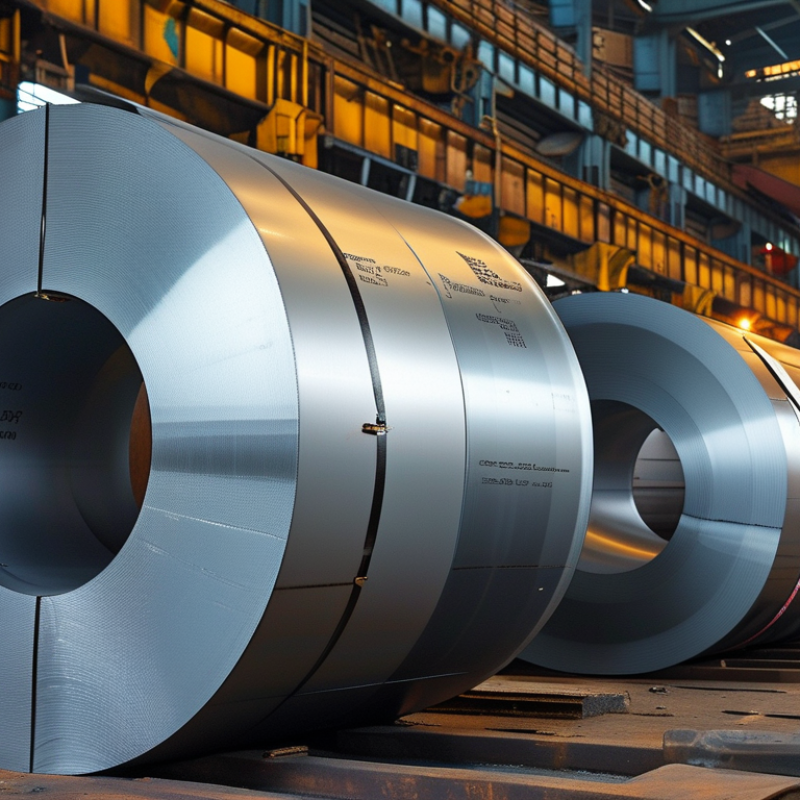
What Hot Rolled Carbon Plates Are and How They Are Classified
Hot rolled carbon plates are steel sheets shaped above their recrystallization temperature.
The process uses heat, pressure, and controlled cooling. It creates a rougher surface and wider dimensional tolerances than cold rolling. These plates commonly serve bridges, storage tanks, machinery frames, ship structures, and heavy construction.
Classification begins with carbon content.
Low-carbon plates are easier to weld and form. Medium-carbon plates offer greater strength and hardness. High-carbon plates resist wear but require stricter welding control.
However, carbon percentage alone is not enough. Manganese, silicon, sulfur, phosphorus, and trace alloying elements can change performance. Grade systems also classify plates by yield strength, tensile strength, impact toughness, and chemical limits. Common international designations may include structural grades, pressure-vessel grades, and weather-resistant grades.
Thickness creates another practical category.
Thin plate suits general fabrication, while thick plate supports columns, bases, and high-load assemblies. Surface condition matters too. Mill scale, rust, edge quality, and flatness can affect coating and welding work. Heat treatment adds further classifications, such as normalized, normalized-rolled, or thermomechanically controlled plate.
In real purchasing work, these labels sometimes overlap.
A “high-strength” plate may weld poorly if the carbon equivalent is ignored. That is an easy mistake. Reliable selection requires checking the material certificate, test temperature, plate thickness, and applicable standard before cutting.
The Ten Leading Hot Rolled Carbon Plate Types Worldwide
Across global mills, the ten leading hot rolled carbon plate types serve different industrial demands. They include commercial quality, drawing quality, structural plate, high-strength low-alloy plate, weathering plate, boiler plate, pressure vessel plate, shipbuilding plate, bridge plate, and abrasion-resistant plate. Commercial quality suits frames, brackets, and general fabrication. Drawing quality bends more smoothly for formed panels. Structural plate supports buildings, platforms, and equipment bases.
High-strength low-alloy plate reduces weight without sacrificing strength. Weathering plate develops a protective surface in suitable outdoor conditions. Boiler and pressure vessel plates require controlled chemistry and dependable toughness. Shipbuilding and bridge plates demand strong weld performance. Abrasion-resistant plate protects chutes, buckets, and mining liners. These categories overlap sometimes. Standards differ by region.
Tips: Confirm the grade, thickness tolerance, impact requirement, and delivery condition before ordering. Check mill certificates and verify heat numbers against the plates. Inspect edges for laminations, scale, and uneven cutting. Welding tests should match the actual thickness. A plate can look excellent and still fail a critical requirement. That is an uncomfortable truth. Weathering steel also needs the right moisture cycle; it is not automatically corrosion-proof. In practice, engineers should review temperature, loading, forming, and welding conditions together. A cheaper plate may create higher fabrication costs later. Specification discipline matters.
Grades, Chemical Composition, and Mechanical Properties
Top 10 Hot Rolled Steel Carbon Plate Types Worldwide
Hot rolled carbon plates differ mainly by grade, chemistry, and strength. ASTM A36 contains up to 0.26% carbon, with minimum yield strength of 250 MPa and tensile strength of 400–550 MPa. ASTM A283 Grade C offers 205 MPa yield strength and carbon up to 0.24%. ASTM A572 Grade 50 reaches 345 MPa yield strength, while manganese can reach 1.35%. ASTM A588 Grade 50 typically includes 0.20–0.40% copper and provides 345 MPa yield strength. ASTM A516 Grade 70 uses carbon up to 0.28%, with 260 MPa yield strength and 485–620 MPa tensile strength. These values follow ASTM A36/A36M-19, A572/A572M-21, A588/A588M-19, and A516/A516M-23.
European grades remain widely specified. S235JR, S275JR, and S355JR contain maximum carbon levels of approximately 0.17%, 0.21%, and 0.24%. Their minimum yield strengths are 235, 275, and 355 MPa. Tensile ranges are 360–510, 410–560, and 470–630 MPa, respectively, under EN 10025-2:2019. C45, roughly equivalent to 1045 steel, contains about 0.42–0.50% carbon and may reach 570–700 MPa tensile strength after suitable processing. ASTM A709 Grade 50 is also common for structural applications. World Steel Association’s World Steel in Figures 2024 reported about 1.89 billion tonnes of crude steel production in 2023, showing the scale of this market.
Tips: Treat these figures as specification limits, not guaranteed mill performance. Plate thickness, heat treatment, and rolling direction matter. Check the mill test certificate. A practical shortcut can fail. Sentence-level comparison remains imperfect.
Applications and Selection Criteria for Different Plate Types
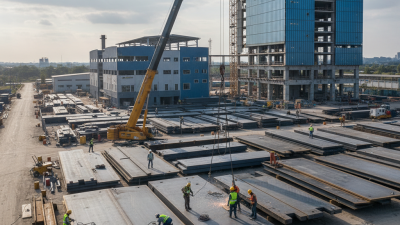
Hot rolled carbon plate types serve different demands, from building frames to heavy machinery. Structural plates suit columns, beams, brackets, and general fabrication. High-strength low-alloy plates reduce weight in bridges, trailers, and lifting equipment. Boiler and pressure-vessel plates handle elevated temperatures under controlled conditions. Shipbuilding plates require consistent toughness and weldability in marine structures. Abrasion-resistant plates protect dump bodies, chutes, and mining buckets.
Application comes before grade selection. Check the working load, temperature, impact risk, and corrosion exposure. A thick plate is not automatically safer. It may increase welding distortion and production costs. For outdoor structures, weather-resistant or coated solutions can reduce maintenance, but coating preparation matters. For tanks, confirm the design pressure, service temperature, forming method, and inspection requirements. Standards differ worldwide, so compare the required mechanical properties rather than relying only on a familiar grade name.
Weldability deserves careful attention. Higher carbon content can increase cracking risk, especially in thick sections. Ask for carbon equivalent data, heat-treatment records, and a traceable mill certificate. Examine yield strength, tensile strength, elongation, impact toughness, thickness tolerance, and surface condition. In field fabrication, clean edges and controlled preheating often prevent avoidable defects. Small plates may tolerate ordinary cutting, while thick plates need slower thermal control. There is no perfect type. A practical choice balances performance, availability, fabrication skill, and lifetime cost. Recheck the decision when actual service conditions change.



 +86 18865111877