Leave Your Message

Top 10 Hot Rolled Carbon Steel Plate Types to Know?

Choosing the right Hot Rolled Steel Plate Carbon begins with understanding how heat, chemistry, thickness, and cooling affect performance. A plate may look simple at a steel yard, yet its internal structure controls weldability, strength, toughness, and service life. Small differences matter. A mill certificate, surface condition, and heat number can change a purchasing decision.

John Speer, a respected steel metallurgist, offers a practical reminder: “Processing is as important as chemistry in determining steel performance.” That principle guides this introduction to the top ten hot rolled carbon steel plate types. The list will examine familiar grades such as ASTM A36 and A283, higher-strength options including A572, pressure-vessel plates such as A516, and weather-resistant choices like A588. It will also consider shipbuilding, structural, bridge, and machinery applications. Each type has a particular balance of strength, formability, impact resistance, and cost.

Real projects rarely follow a perfect chart. A36 may suit a welded frame, but not a demanding pressure vessel. A stronger plate may reduce thickness, yet create more difficult fabrication conditions. That trade-off is easy to overlook. Moisture, mill scale, cutting heat, and poor storage can also influence results. Engineers should verify the applicable standard, delivery condition, test requirements, and fabrication procedure before ordering. The guide aims to make those checks clearer through practical comparisons and industry-based reasoning. Some classifications overlap, and that is worth admitting. Steel selection is not merely a grade-number exercise. It is a decision about safety, manufacturing, environment, and long-term reliability.
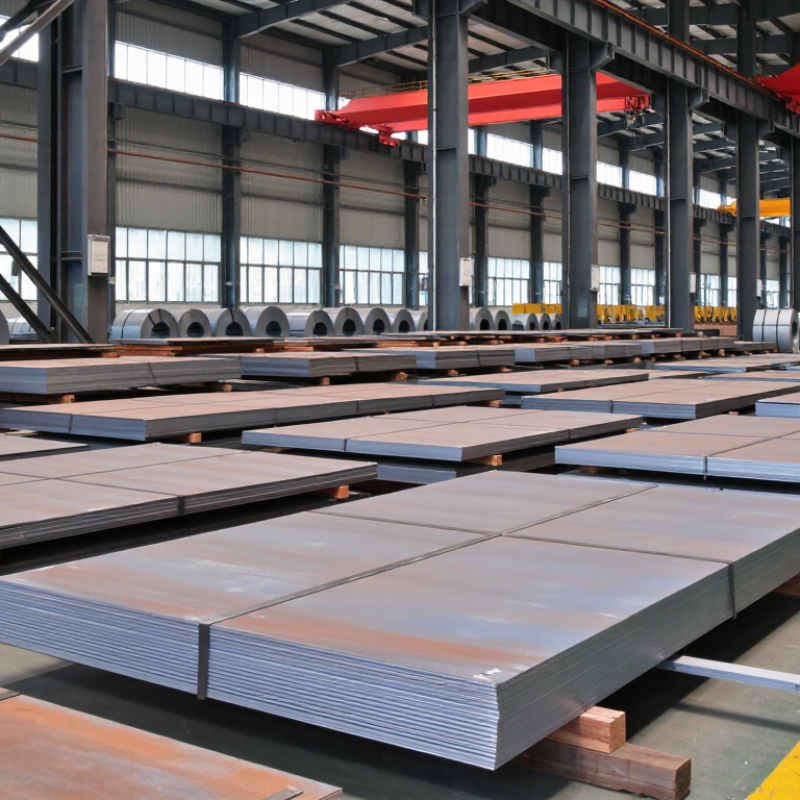
Top 10 Hot Rolled Carbon Steel Plate Types to Know?

Understanding Hot Rolled Carbon Steel Plate and Its Manufacturing Process

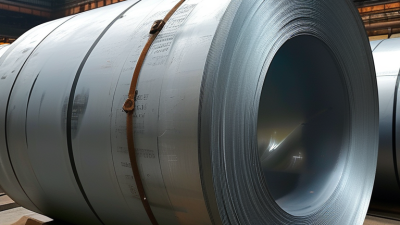
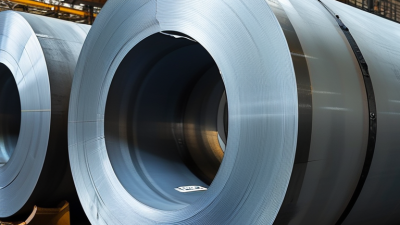
Hot rolled carbon steel plate begins as a cast slab, not a finished product. The slab is reheated, commonly between 1,100°C and 1,250°C, then passed through roughing and finishing mills. High-pressure water removes surface scale before thickness is reduced. Controlled cooling follows the final rolling pass. Plates are then cut, inspected, and sometimes leveled.

The process creates the main ten plate families: structural, general-purpose, bridge, shipbuilding, pressure-vessel, boiler, weathering, high-strength low-alloy, wear-resistant, and automotive grades. Their performance depends on carbon content, alloy additions, rolling temperature, and cooling speed.

World Steel Association data reports 1,892.4 million tonnes of crude steel production in 2023. Its sustainability materials also identify steelmaking as responsible for roughly 7–9% of global carbon dioxide emissions. That figure matters when comparing production routes.

Real mills are less tidy than diagrams. Edge cracks, uneven cooling, or residual stress can still appear. A perfect plate is an expectation, not a guarantee.

Tips: Check the plate standard, heat number, thickness tolerance, and test certificate. Ask whether impact testing is required. Measure flatness after delivery, not only at the mill. The World Steel Association’s World Steel in Figures 2024 and published sustainability indicators provide useful industry benchmarks, but project specifications remain decisive. Overlooking that difference can create expensive rework.
Classifying the Ten Main Types by Grade, Strength, and Carbon Content

Hot rolled carbon steel plates are commonly classified by carbon content, yield strength, and intended service. Carbon content strongly affects hardness, weldability, and forming behavior. Low-carbon grades usually contain below 0.25% carbon and remain easy to weld. Medium-carbon grades contain about 0.25% to 0.60%, offering greater strength but needing more welding control. High-carbon grades may exceed 0.60%, providing hardness with reduced ductility.

A practical ten-type classification includes extra-low-carbon plate, commercial-quality mild plate, drawing-quality plate, structural mild plate, normalized structural plate, medium-carbon plate, high-carbon plate, carbon-manganese pressure-vessel plate, high-strength low-alloy plate, and abrasion-resistant plate. The last two categories require careful checking because alloying elements and heat treatment influence performance. Their carbon content alone cannot explain the final strength. A structural grade may show a yield strength near 250 MPa, while stronger grades can exceed 345 MPa or more, depending on the specification.

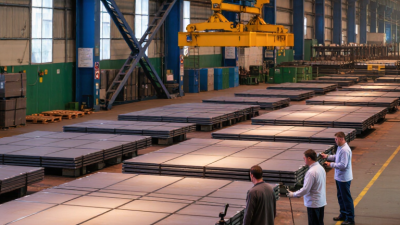
In real fabrication work, grade selection should match thickness, welding method, impact requirements, and service temperature. A thicker plate can cool differently during processing. That changes hardness and weld behavior. Mill certificates should confirm chemical analysis, tensile results, yield strength, elongation, and impact testing when required. Visual inspection helps, but it cannot replace laboratory data. I have seen similar-looking plates behave differently after cutting and welding. That distinction is easy to miss. Grade labels also vary between standards, so relying on carbon percentage alone remains an imperfect approach.

Comparing Key Properties, Surface Features, and Performance Differences

Hot rolled carbon steel plates differ in strength, surface texture, and working behavior.

Mild structural plate offers easy cutting, bending, and welding for frames and supports. High-strength low-alloy plate carries heavier loads with less thickness. It may need tighter welding controls.

Boiler and pressure-vessel plate is designed for heat and internal pressure. Its chemistry and inspection requirements are more demanding.

Shipbuilding plate usually balances strength, weldability, and impact resistance. Bridge plate often receives stricter toughness checks for changing temperatures. Weathering plate develops a protective oxide layer outdoors, but polluted or constantly wet areas can still cause corrosion.

Wear-resistant plate survives abrasion from stone, sand, or moving materials. It is harder to machine. Machinery plate supports fabricated equipment where strength and dimensional stability matter. Normalized plate usually offers more uniform internal properties after controlled cooling.

Surface appearance tells only part of the story.

Standard mill scale looks dark, uneven, and tightly attached. Pickled plate has a cleaner metallic surface and accepts coatings more reliably.

Shot-blasted plate feels visibly rougher, helping paint adhesion.

Oiled surfaces resist short-term rust but require degreasing before welding or coating. Plate thickness, flatness, edge quality, and ultrasonic inspection can change real performance.

Small edge cracks matter. I have seen attractive surfaces hide unsuitable chemistry. Selecting by appearance alone is a costly mistake. Processing history, test certificates, service temperature, and fabrication methods deserve equal attention.

Exploring Common Applications Across Construction, Machinery, and Industry

Top 10 Hot Rolled Carbon Steel Plate Types to Know?

Hot rolled carbon steel plates serve different jobs across construction and manufacturing. Commercial-quality plate suits brackets, storage tanks, and general fabrication. Structural grades support columns, beams, bridges, and heavy frames. High-strength low-alloy plate reduces weight in cranes and transport equipment. Boiler and pressure-vessel plates handle elevated temperatures and internal pressure. Shipbuilding plate supports hull sections, decks, and marine machinery. Weathering plate develops a protective surface in suitable outdoor environments. Wear-resistant plate protects excavator buckets, chutes, and mining liners. Normalized plate offers more consistent strength after controlled heat treatment. Pickled and oiled plate provides a cleaner surface for later forming. Carbon-manganese plate balances strength, weldability, and cost.

Construction remains the largest steel-using sector globally. The World Steel Association reported about 1.89 billion tonnes of crude steel production in 2023. That scale explains why plate selection affects entire project budgets. Structural engineers usually check yield strength, toughness, thickness tolerance, and weld procedures. Machinery builders also examine impact loading, abrasion, and repeated stress around holes.

Small details matter. A thick plate may resist bending but complicate welding and lifting. A stronger grade may reduce weight, yet increase fabrication demands. Field experience shows that surface scale can hide laminations or handling damage. This is often overlooked. The OECD Steel Outlook 2024 also highlights pressure for lower-emission steel production. Therefore, buyers should verify mill certificates, inspection results, and traceability. Grade names alone are not enough.

Top 10 Hot Rolled Carbon Steel Plate Types to Know? - Exploring Common Applications Across Construction, Machinery, and Industry

Mechanical values are minimum or specified ranges at room temperature and may vary by thickness, product form, and applicable edition of the standard.
No. Plate Type / Grade Common Standard Minimum Yield Strength
(MPa)
Tensile Strength
(MPa)
Common Thickness Range
(mm)
Key Characteristics Typical Applications
1 ASTM A36 ASTM A36/A36M 250 400–550 6–150 General-purpose structural carbon steel with good weldability and formability. Building frames, base plates, brackets, platforms, general fabrication, and machinery components.
2 ASTM A572 Grade 50 ASTM A572/A572M 345 450 min. 6–100 High-strength low-alloy structural plate that can reduce component weight. Bridges, building structures, cranes, trailers, truck frames, and heavy equipment.
3 ASTM A588 Grade A ASTM A588/A588M 345 485–620 6–100 Atmospheric weathering plate that develops a protective oxide layer in suitable environments. Bridge components, outdoor structures, rail cars, architectural features, and exposed steelwork.
4 ASTM A516 Grade 70 ASTM A516/A516M 260 min. 485–620 6–205 Pressure-vessel carbon steel with good notch toughness; commonly supplied normalized when required. Boilers, storage tanks, pressure vessels, process equipment, and industrial vessels.
5 ASTM A283 Grade C ASTM A283/A283M 205 380–515 6–50 Low- and intermediate-tensile structural carbon steel with good fabrication characteristics. Tanks, general structural work, agricultural equipment, guards, and non-critical welded parts.
6 ASTM A656 Grade 70 ASTM A656/A656M 485 550 min. 6–100 High-strength, hot-rolled, controlled-quality plate designed for weight-sensitive structures. Dump bodies, cranes, lifting equipment, construction machinery, and heavy vehicle components.
7 EN 10025-2 S235JR EN 10025-2 235
(≤16 mm)
360–510 6–150 Non-alloy structural steel with an impact energy designation at room temperature. Light structural frames, supports, platforms, brackets, tanks, and fabricated machinery.
8 EN 10025-2 S275JR EN 10025-2 275
(≤16 mm)
410–560 6–150 Medium-strength structural plate with reliable weldability and room-temperature impact requirements. Industrial buildings, frames, bridges, supports, platforms, and general engineering structures.
9 EN 10025-2 S355JR EN 10025-2 355
(≤16 mm)
470–630 6–150 Higher-strength structural steel suitable for demanding load-bearing applications. Heavy frames, bridges, cranes, construction equipment, pressure-free tanks, and machine bases.
10 JIS G3101 SS400 JIS G3101 245 min.
(≤16 mm)
400–510 6–150 Widely used general structural steel with balanced strength, weldability, and cost. Steel frames, machine parts, brackets, storage racks, platforms, and general fabrication.

Choosing the Right Hot Rolled Carbon Steel Plate for Specific Requirements

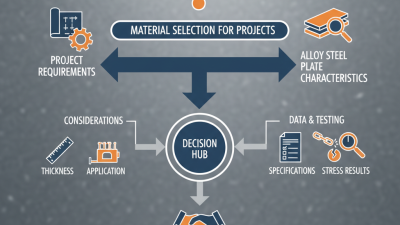
Choosing the right hot rolled carbon steel plate begins with the service environment, not the material name. Mild carbon plate suits brackets, frames, and general fabrication. Structural grades offer higher yield strength for beams, platforms, and heavy supports. Pressure vessel plate requires controlled chemistry, toughness, and documented heat treatment.

Match thickness to the real load path. A 12 mm plate may support a static frame, but vibration, impact, or repeated bending can change the decision. Check yield strength, tensile strength, elongation, and Charpy impact values when low temperatures are expected.

Weldability also matters. Lower carbon content usually reduces cracking risk, while thick sections may still need preheating.

Think about forming.

Surface condition deserves careful attention. Hot rolled plate commonly carries mill scale, which can hide pits or affect coating adhesion. Specify shot blasting, pickling, or another preparation method when the final finish demands it. For outdoor structures, calculate corrosion allowance rather than relying on paint alone. Ask for chemical analysis, mechanical test results, dimensional tolerances, and traceability documents. Ultrasonic inspection may be appropriate for critical, thick plates.

A common mistake is choosing the highest strength grade automatically. Stronger is not always easier to weld, cut, or form. I would recheck the drawing, loading cycles, fabrication method, and applicable standard before ordering. The best plate is the one that meets performance needs without creating avoidable workshop problems.