How to Buy Hot Rolled Steel In Coils for Your Business?
When considering the purchase of Hot Rolled Steel In Coils for your business, several factors come into play. Knowing the specific requirements of your projects is crucial. This material is versatile and widely used across industries, including construction and manufacturing. Understanding the characteristics of hot rolled steel is important.
Sourcing quality Hot Rolled Steel In Coils can be daunting, especially for newcomers. It is essential to evaluate suppliers carefully. Not all steel products are created equal, and price does not always reflect quality. Building relationships with reputable suppliers can ensure reliability over time.
Moreover, it's vital to recognize the importance of proper handling and storage. Hot rolled steel may warp if not maintained correctly. Reflecting on previous purchases and outcomes can help in making better choices moving forward. In the end, the right decision can positively impact your business operations.
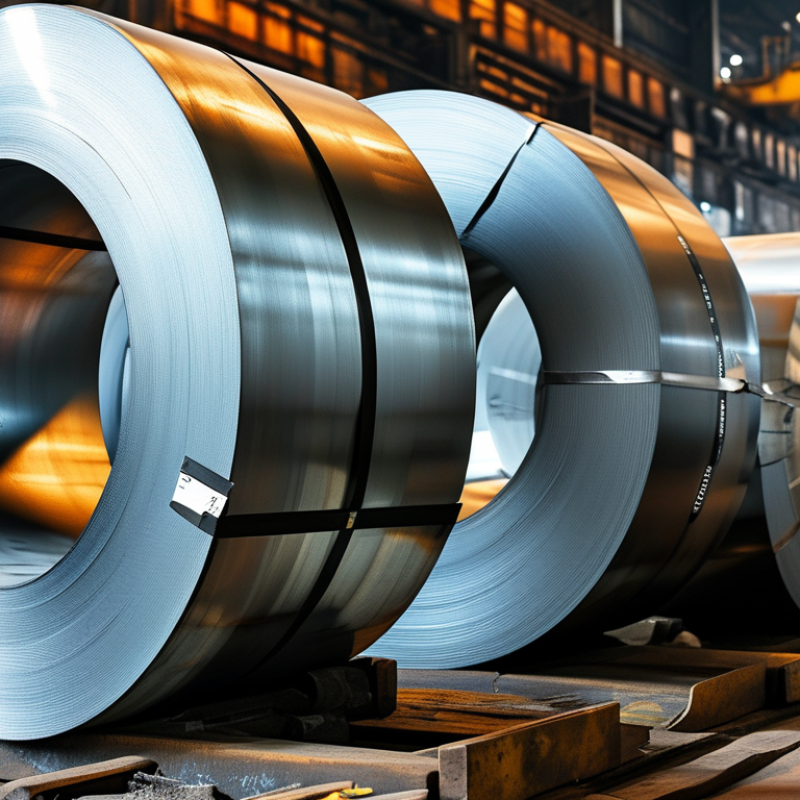
Understanding Hot Rolled Steel Coils and Their Applications
Hot rolled steel coils are widely used in various industries due to their malleability and strength. They are produced by rolling steel at high temperatures, which makes it easier to shape and form. This process gives hot rolled steel its characteristic finish and mechanical properties. Applications span from construction to automotive manufacturing. Companies rely on these coils for structural beams, vehicle frames, and machinery components. Such versatility makes understanding hot rolled steel coils crucial for any business.
When sourcing hot rolled steel coils, consider specifications like thickness and width. These factors affect the final product's performance. Remember, quality matters. You should only buy from trusted suppliers who adhere to industry standards. Look for certifications that ensure the steel meets required mechanical properties. However, not all suppliers provide consistent quality. A bad batch can lead to production delays and increased costs.
Working with hot rolled steel comes with challenges. It’s essential to know its limitations. While it is strong, it may not always be suitable for precision applications. Sometimes, the properties may vary slightly between batches. Always conduct tests to verify the integrity of the material before use. Embracing a reflective approach to understand these nuances in hot rolled steel will aid in making informed purchasing decisions for your business.
Identifying Your Business Needs for Hot Rolled Steel Coils
Identifying your business needs for hot rolled steel coils requires a thorough understanding of your manufacturing processes and end applications. For instance, if your company specializes in automotive manufacturing, you may require specific grades that meet stringent safety standards. Hot rolled steel coils are versatile materials used in various industries, and their specifications can directly impact production efficiency and product quality. Recent industry data shows that nearly 30% of manufacturers struggle with selecting the right steel grades for their operations, indicating a need for careful evaluation of requirements.
Consider checking the mechanical properties, such as yield strength and tensile strength. These properties will significantly influence the performance of the final products. For example, a yield strength of around 250 MPa is common for hot rolled steels used in structural applications. Continuous monitoring of market trends is essential, as the hot rolled steel market is projected to grow by 5.1% annually through 2027. However, many companies overlook fluctuating prices and availability, which can lead to supply chain disruptions.
Additionally, assess your processing capabilities. If your operations focus on cutting, bending, or welding, choose coils that fit your machinery. Often, businesses underestimate the importance of compatibility with existing equipment. Obtaining the right specification can mitigate waste and improve efficiency. Making informed decisions based on solid data can help enhance productivity and reduce costs in the long run.
Finding Reliable Suppliers for Hot Rolled Steel Coils
Finding reliable suppliers for hot rolled steel coils is crucial for any business. This material is essential in diverse industries, and sourcing it wisely enhances your operations. Start by researching local suppliers who specialize in hot rolled steel. Online directories or industry forums can provide helpful contacts. Look for reviews or testimonials from other businesses to gauge their reliability.
Evaluate potential suppliers based on their experience and expertise. It’s wise to ask about their production standards and quality assurance processes. Learn their lead times and order minimums. Transparency in pricing is also important. Be wary of deals that seem too good to be true; quality often comes at a price.
Establishing a solid relationship with a supplier can lead to better terms down the line. Communication is key. Don’t hesitate to ask questions about their sourcing methods or delivery capabilities. This not only builds trust but can help you make informed decisions. Reflecting on past experiences with suppliers can inform your choice. Sometimes, issues arise from misunderstandings rather than product quality. Choose partners who prioritize service and support, ensuring your business’s needs are met consistently.
How to Buy Hot Rolled Steel In Coils for Your Business?
| Supplier Location |
Minimum Order Quantity (tons) |
Delivery Time (weeks) |
Price Range (USD per ton) |
Quality Certification |
| North America |
100 |
2-4 |
600 - 750 |
ISO 9001 |
| Europe |
80 |
3-5 |
650 - 800 |
EN 1090 |
| Asia |
150 |
4-6 |
500 - 700 |
JIS G 3136 |
| South America |
200 |
5-7 |
550 - 720 |
ABNT NBR |
Evaluating Quality and Specifications of Hot Rolled Steel Coils
When evaluating the quality and specifications of hot rolled steel coils, it's essential to focus on a few critical attributes. First, consider the thickness of the coils. This dimension directly impacts strength and suitability for various applications. Standard thicknesses range from 1.2mm to 25mm. Ensuring the right thickness can prevent structural failures in your projects.
Next, the surface finish will influence the steel's performance. A smooth finish is often preferred for welding and further processing. Typical surface conditions include Pickled, Oiled, or Annealed. Understanding these options allows for better integration into your manufacturing processes. It's worth noting that inconsistent finishes can lead to unexpected challenges down the line.
Chemical composition is another vital factor. Look for specifications detailing essential elements like carbon, manganese, and sulfur. These elements affect ductility and tensile strength. Ensure you receive mill test reports to verify these compositions. Remember that even minor variations can yield significant impacts on performance. Knowledge of these details promotes informed decision-making and minimizes risk in your projects.
Negotiating Prices and Terms for Bulk Purchases of Steel Coils
Negotiating prices and terms for bulk purchases of hot rolled steel coils requires careful consideration and strategic planning. Start by researching current market prices. Understanding the fluctuations in steel pricing will help you gauge what constitutes a fair deal. Keep track of pricing trends over several months for better accuracy. This knowledge empowers you during the negotiation process.
When approaching suppliers, clarity is essential. Clearly state your requirements regarding size, gauge, and quantity. This transparency fosters trust and can lead to more favorable terms. Consider discussing payment options and delivery schedules as these factors significantly impact the overall cost. Building a good relationship with suppliers can also yield long-term benefits. They may offer discounts based on loyalty or volume.
Remember that negotiation isn't just about price. Terms and conditions play a vital role. Discuss aspects such as quality assurance, lead times, and return policies. Being flexible on some terms can lead to better pricing. Always document agreements to avoid misunderstandings. Though negotiations may feel challenging, persistence often pays off. Reflect on each experience to refine your approach in the future.
Steel Coil Prices Over the Last Year



 +86 18865111877