China Top Hot Rolled Mild Steel Coil Manufacturers?
Choosing a Hot Rolled Mild Steel Coil manufacturer in China takes more than comparing prices. Buyers should examine grade consistency, dimensional tolerances, surface condition, and the mill’s ability to provide traceable test documents. A coil’s edge, thickness, and finish can affect slitting, forming, and welding on the production floor. Small differences matter.
World Steel Association Director General Edwin Basson has emphasized steel’s importance to modern society. A concise paraphrase of that public position is: “Steel remains essential to modern life.” For buyers, that importance makes supplier verification practical, not ceremonial. Ask for current mill certificates, coil identification details, and clear explanations of production and inspection processes. Check whether stated standards match the intended application, rather than assuming every “mild steel” coil is interchangeable.
This article’s outline will help readers compare China’s leading manufacturers through product range, manufacturing capability, quality controls, export experience, and customer support. It will also distinguish verified company information from broad marketing claims. Look for details such as available coil widths, thickness ranges, packaging, and delivery terms. Then compare them against your own processing needs. Some supplier pages leave gaps; that deserves a closer look, not an automatic rejection. A strong shortlist balances documented capability with responsive communication and consistent delivery. Price still counts. It is not the whole story.
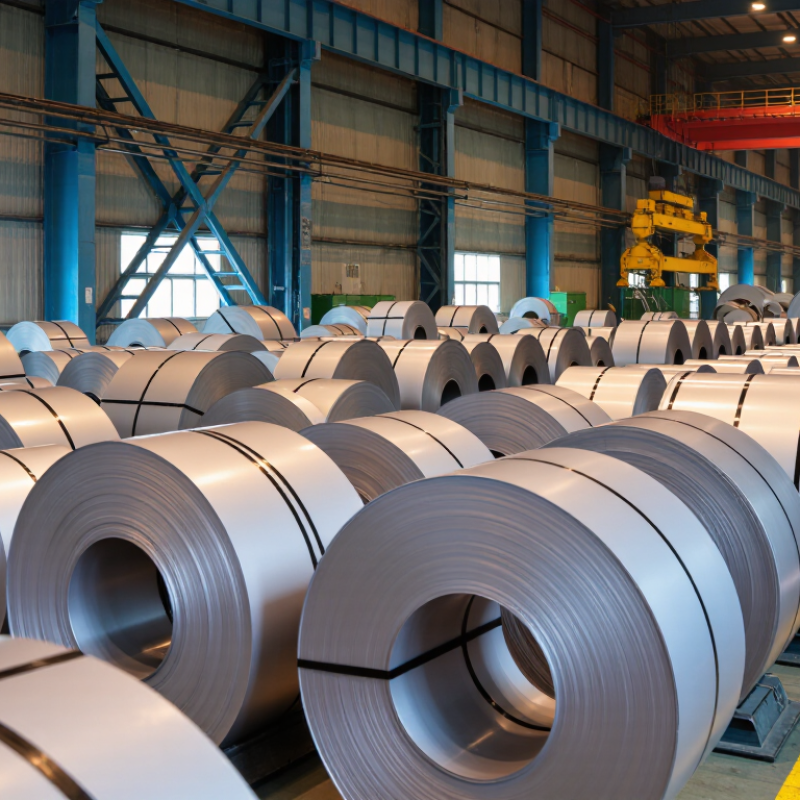
What Defines Hot-Rolled Mild Steel Coil
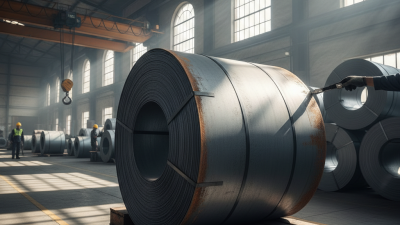
Hot-rolled mild steel coil is low-carbon steel rolled at high temperature, then wound into a continuous strip. Heat helps the steel deform efficiently, while rolling sets its thickness and width. “Mild steel” is not one universal grade: chemical limits and mechanical properties depend on the specified standard. The surface often carries dark mill scale, and edges may need trimming before fabrication.
The scale of production is substantial. World Steel Association’s World Steel in Figures 2024 reports 1,892.2 million tonnes of global crude steel output in 2023, including 1,019.1 million tonnes in China. These figures describe crude steel, not coil output, so they should not be treated as coil-market volumes. Still, they show the industrial context behind this common material.
For buyers and fabricators, grade and dimensions define practical suitability. Check the mill test certificate, thickness tolerance, coil weight, surface condition, and intended forming process. A coil that looks smooth can still vary at its edges. That matters. I would also verify whether the required finish allows mill scale; overlooking it can complicate painting or welding preparation. Measurements at several points are useful, though they do not replace the grade specification.
How Hot-Rolled Mild Steel Coils Are Manufactured
Hot-rolled mild steel coils begin as cast slabs with a controlled, relatively low carbon content. Mills reheat them in furnaces, often above 1,100°C, until the steel can be shaped consistently. Temperature matters. A cold corner or uneven soak can affect thickness and surface quality later.
High-pressure water jets remove loose scale before the slab passes through roughing stands. These rollers reduce its thickness in stages. Finishing stands then bring the strip closer to its specified gauge, while sensors track temperature, width, and shape. Operators still need to watch the process. Small errors matter. The strip is cooled with water and wound into a coil at a controlled temperature, which influences its final properties and handling behavior.
After cooling, the coil may be inspected for surface marks, edge defects, and dimensional variation. Samples can be checked for mechanical properties, while thickness and width are measured across the strip. The process is precise, but not perfect; scale can leave marks, and coil edges may need trimming. Clear inspection records help buyers compare material with their required specifications. A careful manufacturing route makes coils easier to form and weld, though the best choice still depends on the finished part.
Key Qualities of Leading Chinese Coil Manufacturers
Leading Chinese hot rolled mild steel coil manufacturers show control across the full production process, not just a competitive quote. Buyers should check whether thickness, width, coil weight, and surface condition match the stated specification. Ask for mill test certificates linked to heat numbers, with chemical composition and mechanical properties clearly recorded. Traceability matters. A certificate without a matching coil reference leaves an avoidable gap.
Consistent rolling and cooling help reduce variation between coils. For practical checks, compare measured thickness at several points and inspect edges for damage, scale, or uneven trimming. Packaging also matters: secure strapping and moisture-resistant wrapping can limit handling and storage damage. Independent inspection may be useful for large orders or unfamiliar suppliers. It adds time and cost, but can reveal issues before shipment.
Reliable manufacturers communicate clearly about lead times, production capacity, tolerances, and changes to specifications. They should explain how they handle nonconforming material and provide realistic updates when schedules shift. Buyers sometimes focus too heavily on price; I have seen a low quote look less attractive once claims, delays, or inconsistent dimensions are considered. Still, no single certificate or factory visit proves everything. Compare records, samples, and communication over time.
Industries and Applications Served by Chinese Suppliers
Chinese hot-rolled mild steel coil suppliers serve construction, transport, machinery, appliance, and agricultural equipment manufacturers. In construction, coil may be slit or formed into structural components, roofing supports, and brackets. Vehicle and machinery producers use suitable grades for frames, guards, and welded parts. Appliance makers may choose it for internal panels or components that receive later coating. Applications depend on grade, thickness, forming needs, and finishing processes.
Tips: Match the coil to the next operation, not just the product name. Check the mill certificate, thickness tolerance, surface condition, and weldability. Ask how coils are protected during storage and shipment.
A buyer specifying agricultural parts may need reliable bending, while a fabricator making storage racks may prioritize consistent thickness and weld performance. Those needs are not interchangeable. It is easy to assume that “mild steel” means a predictable result, but processing history and surface scale can affect cutting, forming, and coating. Confirm sample dimensions and inspection records before placing a large order. For repeat purchases, document acceptable tolerances clearly; small variations can become costly across a production run.
How to Evaluate and Select a Coil Manufacturer in China
When comparing China’s hot rolled mild steel coil manufacturers, judge production evidence, not sales language. Ask for a recent mill test certificate showing grade, chemical composition, yield strength, tensile strength, and elongation. Details matter. Match the stated thickness and width tolerances against your drawing, then confirm coil weight, inside diameter, and edge condition. For visible applications, request clear surface and packaging photographs, plus an agreed sample where practical. Ask for evidence. A certificate is useful only when its heat number can be traced to the delivered coil.
Check whether the manufacturer can hold stable dimensions across repeat orders, not just produce one acceptable sample. Review inspection records, calibration practices, and procedures for handling nonconforming material. If possible, arrange a factory audit or independent inspection before shipment. Ask about monthly capacity, lead time, sea-transport packing, and how damage claims are handled. Responses should be specific and supported by records. A quick quotation is not proof of control. Compare total landed cost, including inspection, freight, and likely scrap, rather than choosing the lowest price per ton. Some details may remain uncertain until a trial order; document those assumptions before committing.





 +86 18865111877