What is Sheet Metal and How is it Used in Manufacturing?
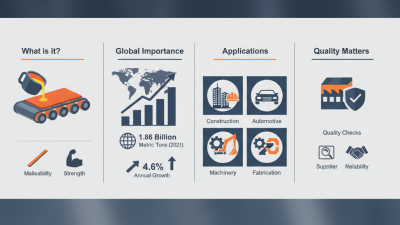
Sheet metal is a versatile and crucial component in modern manufacturing. Made from thin, flat pieces of metal, it plays a significant role across various industries. The process of shaping and manipulating sheet metal allows for the creation of intricate designs and durable structures, making it indispensable.
Manufacturers utilize sheet metal for everything from automotive parts to household appliances. Its lightweight nature and strength provide a reliable solution for many applications. However, working with sheet metal requires expertise. Understanding its properties aids in optimizing designs and ensuring quality.
Despite its advantages, challenges exist. Not all metal sheets are equal. Variability in thickness and material properties can lead to issues during production. These concerns highlight the need for skilled professionals in the field. The importance of quality assurance cannot be overstated when using sheet metal in manufacturing.
What is Sheet Metal?
Sheet metal is a versatile material widely used in manufacturing. It refers to metal that has been processed into thin, flat pieces. The thickness can vary, typically from 0.006 inches to several inches. Common metals for sheet metal include steel, aluminum, copper, and brass. Each metal has unique characteristics, making them suitable for different applications.
Manufacturers use sheet metal to create various products. These range from simple components to complex structures. For instance, car bodies are often made from sheet metal. It provides strength while keeping the weight low. The flexibility of sheet metal allows it to be cut, bent, and shaped into desired forms. However, challenges arise in the manufacturing process. Poor cutting techniques can lead to inaccuracies. Similarly, bending can create weaknesses if not done correctly.
Developing expertise in working with sheet metal is essential to overcome these issues.
Sheet metal's applications extend beyond the automotive industry. It's also crucial in electronics, aerospace, and architecture. Customization options are numerous, yet they demand skilled labor. New manufacturers may struggle with costly mistakes. Understanding the properties of different metals and optimal techniques is vital for quality products. Ultimately, sheet metal plays a significant role in modern manufacturing, showcasing both opportunities and challenges.
The Different Types of Sheet Metal Materials
Sheet metal is a versatile material used in various manufacturing applications. The different types of sheet metal materials include aluminum, steel, copper, and brass. Each material has unique properties that make it suitable for specific purposes.
Aluminum is lightweight and resistant to corrosion. It is often chosen for applications where weight is a critical factor. However, it can be prone to deformation under high-stress conditions. Steel is known for its strength and durability. It is widely used in construction and automotive industries, but it is also susceptible to rust. Copper stands out for its excellent electrical conductivity. Yet, its higher cost can be a drawback in large-scale projects. Brass, an alloy of copper and zinc, offers a good balance of strength and aesthetic appeal, but it can be more challenging to work with due to its hardness.
Choosing the right sheet metal material requires careful consideration. Factors like cost, weight, and intended use must all be assessed. It is not uncommon for manufacturers to encounter difficulties in selecting the appropriate material. Sometimes, the initial choice may not perform as expected, leading to unnecessary waste and delays. Understanding the characteristics of each type of sheet metal can help mitigate these risks and lead to more effective manufacturing processes.
Common Processes for Shaping Sheet Metal
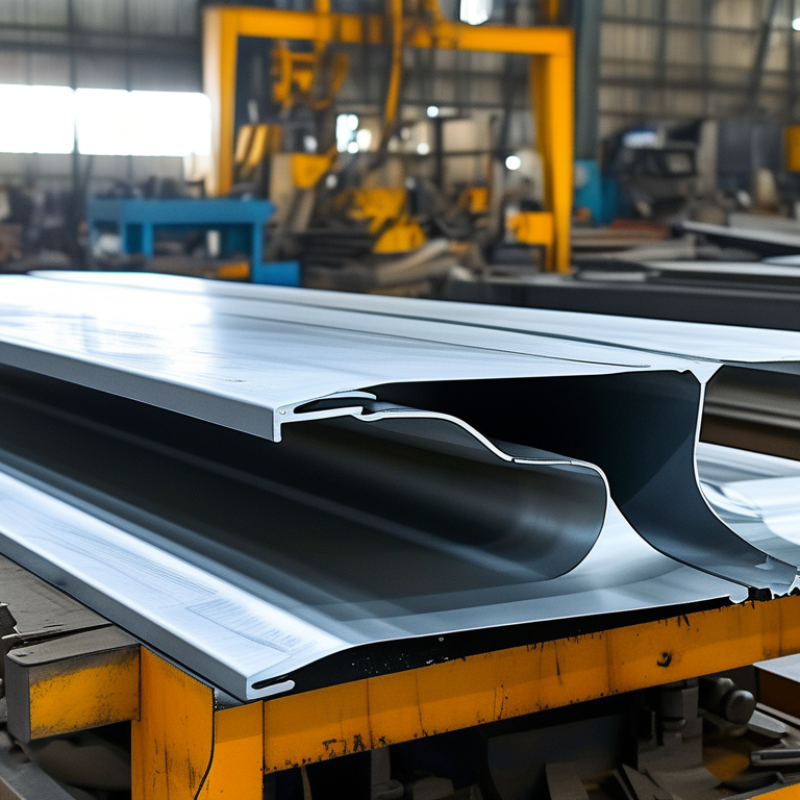
Sheet metal is a versatile material used in various manufacturing processes. It can be cut, bent, and shaped to create components for industries such as automotive, aerospace, and electronics. Understanding common processes for shaping sheet metal can help in selecting the right method for a specific project.
One widely used process is bending. This technique involves changing the shape of the sheet metal along a straight axis. It can be done using press brakes or by hand for smaller pieces. Remember to consider material thickness and bend radius when planning bends. An improper bend can lead to cracks or deformities.
Another process is stamping. This involves placing the sheet metal in a die and applying a punch to form shapes. Stamping can produce intricate designs quickly. However, precision is crucial to avoid wasting materials. Make sure your dies are well-maintained to ensure optimal results.
When working with sheet metal, remember these tips: always wear safety gear and keep work areas tidy. Also, consider prototyping your design before mass production. Testing can reveal potential flaws and save time later. Balancing speed and accuracy is key in metal manufacturing. It’s important to continuously evaluate processes for improvement.
Applications of Sheet Metal in Various Industries
Sheet metal is an essential component in various industries. Its versatility makes it valuable in construction, automotive, and aerospace sectors. In construction, sheet metal fabricates roofing and siding. It provides durability and aesthetic appeal. Many buildings utilize metal for commercial applications due to its strength and weather resistance.
In the automotive industry, sheet metal parts are crucial. Hoods, doors, and chassis are often made from this material. Automakers rely on it for efficiency and performance. Light-weight metals can enhance fuel efficiency while maintaining safety standards. In aerospace, sheet metal forms aircraft bodies, ensuring structural integrity and aerodynamics.
Challenges exist in sheet metal applications. Each project requires precise cutting and bending. Small errors can lead to significant issues later in production. Understanding the nuances of sheet metal's behavior is critical. Continuous innovation in forming techniques helps mitigate these concerns. Yet, the balance between cost, quality, and performance remains a constant consideration.
Advantages and Disadvantages of Using Sheet Metal in Manufacturing
Sheet metal is widely utilized in various manufacturing processes due to its unique properties. It can be shaped, cut, and molded into different designs. However, like any material, it has its advantages and disadvantages.
One major advantage of sheet metal is its strength-to-weight ratio. This makes it ideal for creating durable yet lightweight products. Additionally, it is cost-effective for mass production. The material is also recyclable, contributing to sustainability. However, sheet metal can be prone to corrosion and may require protective coatings. This necessitates ongoing maintenance, which can be a drawback in some applications.
Tips: Always conduct tests on gauge thickness. This can affect strength and durability. Consider using stainless steel for environments prone to moisture.
Another factor to weigh is the precision needed in the manufacturing process. While modern tools allow for great accuracy, any miscalculation can lead to waste. This waste not only impacts costs but also the environment. Finding a balance in design and functionality can be challenging. Testing prototypes before full production is wise to refine the final product.




 +86 18865111877