Leave Your Message

What Are Sheet Metal Sheets and Which Type Is Best?

Sheet Metal Sheets appear in ventilation ducts, vehicle panels, kitchen equipment, roofing systems, and precision enclosures. Their flat form looks simple, but each sheet behaves differently during cutting, bending, welding, and finishing. Thickness matters. So do alloy, grain direction, surface coating, and manufacturing method.

Metalworking educator Ron Covell captures this practical reality: “Sheet metal is a very forgiving material, but it remembers every mistake.” His observation reflects workshop experience. A sharp bend can leave a visible crack. Excessive heat can create distortion. Poor storage can produce scratches before fabrication even begins.

This guide examines common Sheet Metal Sheets, including carbon steel, stainless steel, aluminum, galvanized steel, and copper. It compares strength, corrosion resistance, weight, workability, cost, and appearance. The “best” type depends on the application, not on one universal ranking. A stainless sheet may suit a food-processing cabinet, while aluminum may perform better on a lightweight enclosure. Galvanized steel can protect outdoor components, but its coating requires careful handling during fabrication.

Small details often decide the result. A 1.5-millimeter sheet may bend neatly on one machine and deform on another. A polished surface can reveal fingerprints, tool marks, and uneven polishing immediately. Measurements must be checked twice. Even experienced fabricators make assumptions that later require correction.

This article provides a practical framework for selecting Sheet Metal Sheets with greater confidence. It also recognizes an uncomfortable truth: material specifications alone cannot guarantee a successful finished product. Application conditions, fabrication skill, inspection, and long-term maintenance matter just as much.
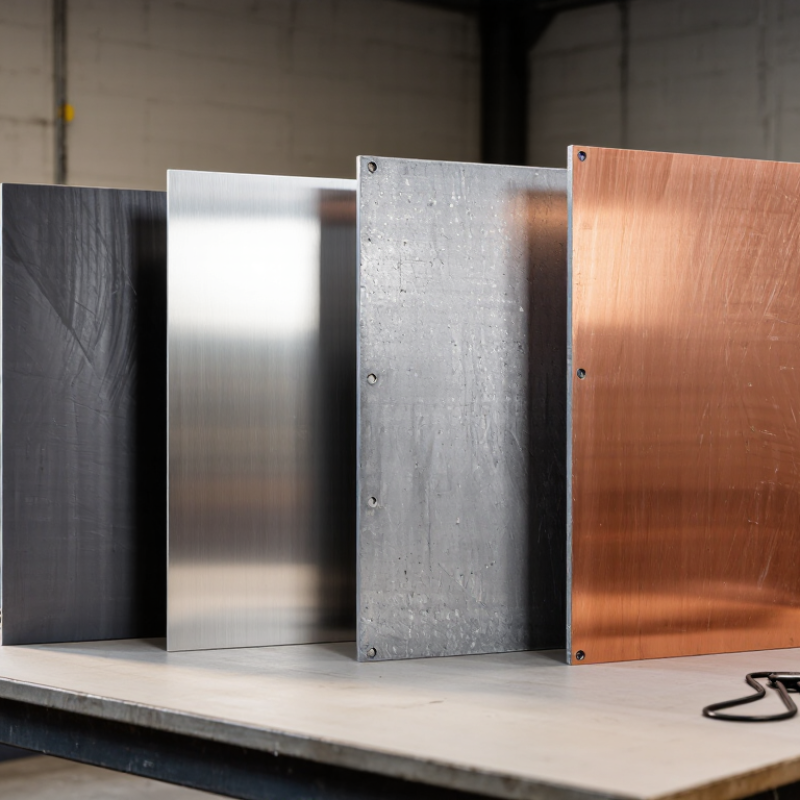
What Are Sheet Metal Sheets and Which Type Is Best?

What Are Sheet Metal Sheets and How Are They Made?

Sheet metal sheets are flat metal products made in controlled thicknesses. They may come from steel, aluminum, copper, or corrosion-resistant alloys. The best type depends on strength, weight, conductivity, appearance, and exposure conditions.

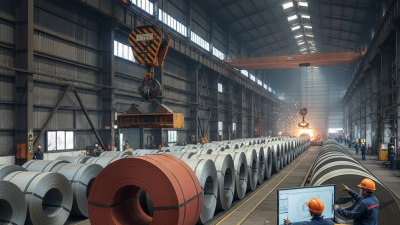
Manufacturing usually begins with casting metal into large slabs or coils. Rollers then reduce the thickness through repeated pressure. Heat treatment can soften the metal and improve its formability. Some sheets pass through cleaning or pickling lines to remove surface scale. Others receive protective coatings, such as zinc or a painted finish. Cutting machines divide the material into standard sizes, while leveling equipment reduces curling and waviness.

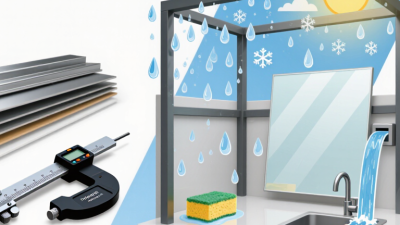
In practice, sheet quality requires more than checking its label. A technician may measure thickness with a micrometer, inspect edges for burrs, and examine the surface under angled light. Grain direction also matters when the sheet will be bent. Bending across the grain can produce different results from bending along it. The process is carefully controlled, but it is not perfectly uniform. Small thickness changes, scratches, or flatness issues can still appear. I would not choose a sheet by appearance alone. A bright surface may hide unsuitable hardness, weak corrosion resistance, or difficult forming behavior. Specification checks should include alloy, thickness tolerance, finish, and intended use.
What Types of Sheet Metal Sheets Are Available?

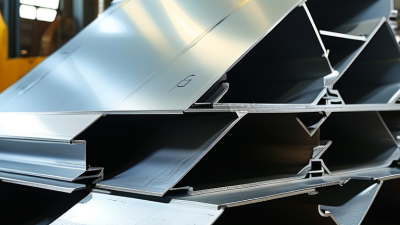
Sheet metal sheets come in several forms, and each suits a different working condition. Cold-rolled steel has a smooth surface and accurate thickness. It works well for cabinets, panels, and indoor equipment. Hot-rolled steel has a rougher finish, but it handles heavy structural work effectively. It is often selected when appearance matters less than strength and cost.

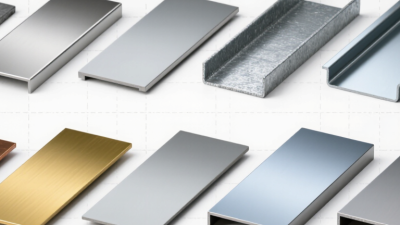
Galvanized steel carries a protective zinc coating. This layer helps resist moisture, making it useful for roofing, ductwork, and outdoor enclosures. Stainless steel offers stronger corrosion resistance and a clean surface for kitchens, laboratories, and medical areas. Aluminum sheets are lightweight, easy to shape, and naturally resistant to rust. Copper sheets conduct heat and electricity well, although they can be expensive and develop a changing surface color.

The best type depends on the environment, forming method, thickness, and maintenance plan. A humid workshop may favor galvanized or stainless steel over untreated steel. A designer needing low weight may choose aluminum, but its softer surface can scratch during handling. Check the actual gauge, coating thickness, temper, and required tolerances before ordering. Small differences matter.

No sheet works everywhere.

In practice, material selection is sometimes less perfect than expected. A polished surface may look excellent but show fingerprints quickly. A cheaper sheet may also demand more coating or maintenance later. Samples, bend tests, and corrosion checks can reveal problems before production begins.

How Do Sheet Metal Properties Affect Their Performance?

Sheet metal sheets are flat pieces formed by rolling, pressing, or cutting metal into controlled thicknesses. Their performance depends on more than appearance. Yield strength, tensile strength, hardness, ductility, density, and corrosion resistance all influence the final part.

Material density changes handling and structural weight. Steel is about 7.85 g/cm³, while aluminum is near 2.70 g/cm³, according to ASM Handbook engineering data. Aluminum can reduce panel weight significantly, but its lower stiffness may require ribs, bends, or greater thickness. The U.S. Geological Survey’s Mineral Commodity Summaries 2024 reported global aluminum production above 70 million metric tons in 2023. This reflects its broad use in transport, construction, and manufacturing. Steel remains dominant in heavy fabrication. The World Steel Association reported approximately 1.89 billion tonnes of crude steel production in 2023.

Corrosion resistance also changes service life. Stainless steel generally performs better in wet environments than untreated carbon steel. However, surface finish, joints, and trapped moisture can still cause local corrosion. Ductility matters during forming. A brittle sheet may crack around a tight bend, even when its tensile strength looks impressive. In fabrication practice, alloy temper and rolling direction often affect results more than expected. A neat specification is not enough. Testing can reveal surprises. The best sheet depends on load, environment, forming method, thickness, and maintenance demands. Insufficient bend allowance remains a common mistake.

What Are Sheet Metal Sheets and Which Type Is Best?

Tensile strength and yield strength strongly affect how sheet metal performs under load. Low-carbon steel provides a balanced combination of strength and cost, aluminum offers lower weight with moderate strength, stainless steel provides high tensile strength and corrosion resistance, while copper is highly conductive but generally softer. Values shown are typical room-temperature properties and may vary with alloy, temper, thickness, and processing.

Which Sheet Metal Sheet Is Best for Different Applications?

The best sheet metal sheet depends on the application, environment, and fabrication method. Carbon steel suits frames, brackets, machine guards, and structural panels because it is strong and economical. It cuts and bends predictably. However, exposed carbon steel can rust quickly when moisture reaches its surface.

Stainless steel is a better choice for kitchens, medical equipment, food-processing areas, and outdoor fixtures. Its corrosion resistance supports frequent cleaning and humid conditions. It also keeps a clean appearance. Aluminum works well for vehicle panels, enclosures, roofing details, and lightweight structures. It resists corrosion without adding much weight, but it can dent or warp more easily during fabrication. That trade-off matters.

Galvanized steel offers practical protection for ducts, utility boxes, fencing, and exterior components. Its zinc coating helps resist rust, although damaged edges may still need attention. Copper is useful for decorative panels, electrical parts, and roofing accents because it conducts heat and electricity effectively. It also develops a natural surface color over time.

Measure carefully.

In real projects, thickness is often overlooked. A thin sheet may look cheaper, yet it can vibrate, buckle, or require extra supports. I have also seen material selected for appearance while ignoring welding requirements. That choice can create distortion, weak joints, or costly rework. Check load, temperature, moisture, bending radius, surface finish, and joining method before ordering. The right sheet is the one that performs reliably after cutting, forming, installation, and daily use.

What Are Sheet Metal Sheets and Which Type Is Best? - Which Sheet Metal Sheet Is Best for Different Applications?

Sheet Metal Type Typical Composition Approx. Density Key Properties Fabrication Characteristics Best Applications Main Limitations Overall Suitability
Mild Carbon Steel Primarily iron with a relatively low carbon content, commonly below about 0.25% carbon. ≈7.85 g/cm³ High strength, good stiffness, widely available, and generally economical. Good for laser cutting, shearing, punching, bending, and welding. Usually requires coating or painting for long-term corrosion protection. Structural panels, brackets, machine guards, enclosures, automotive components, and general fabrication. Prone to rust when exposed to moisture, salts, or outdoor environments without suitable protection. Best general-purpose choice
Stainless Steel Iron-based alloy containing at least approximately 10.5% chromium; nickel and molybdenum may also be present depending on grade. ≈7.7–8.1 g/cm³ Strong corrosion resistance, good heat resistance, hygienic surface, and attractive appearance. Can be formed, laser cut, and welded, but it generally requires more force and better heat control than mild steel. Food-processing equipment, medical environments, chemical equipment, kitchen surfaces, outdoor components, and architectural panels. Higher material cost, greater work-hardening tendency, and possible distortion or discoloration during welding. Best for corrosion resistance and hygiene
Aluminum Aluminum alloyed with elements such as magnesium, silicon, manganese, or copper, depending on the required properties. ≈2.70 g/cm³ Low weight, good corrosion resistance, high thermal and electrical conductivity, and a strong strength-to-weight ratio. Easy to cut and form; welding requires suitable procedures because aluminum conducts heat rapidly and has a relatively low melting temperature. Transportation parts, lightweight enclosures, heat exchangers, signage, roofing components, and aerospace-related structures. Lower stiffness than steel, greater risk of surface scratching, and higher thermal expansion. Best for lightweight designs
Galvanized Steel Steel sheet protected by a zinc coating applied through processes such as hot-dip galvanizing or electro-galvanizing. ≈7.85 g/cm³
plus coating
Better atmospheric corrosion resistance than uncoated carbon steel and good structural strength. Suitable for shearing, punching, and bending; welding requires ventilation and process control because zinc fumes can be hazardous. Ductwork, roofing, gutters, outdoor enclosures, fencing, utility cabinets, and building components. The zinc layer can be damaged during cutting or forming; welding may require treatment of exposed areas. Best for economical outdoor protection
Copper Commercially pure copper or copper alloys with small additions of other elements. ≈8.96 g/cm³ Excellent electrical and thermal conductivity, good corrosion resistance, and high ductility. Very formable and easy to cut; joining and finishing methods must account for high thermal conductivity and surface oxidation. Electrical busbars, wiring components, heat-transfer equipment, plumbing details, roofing, and decorative panels. High material cost, relatively high weight, and a surface that naturally changes color over time. Best for conductivity and premium finishes
Brass Copper-zinc alloy; the exact copper and zinc percentages vary by grade. ≈8.4–8.7 g/cm³ Good corrosion resistance, attractive appearance, useful electrical conductivity, and good machinability. Generally easy to machine and form; welding and high-temperature processing require alloy-specific procedures. Decorative hardware, fittings, musical instruments, electrical terminals, valves, and architectural details. More expensive and heavier than aluminum; some environments can cause dezincification in susceptible alloys. Best for decorative and precision components
Titanium Titanium alloyed with elements such as aluminum, vanadium, or molybdenum, depending on the grade. ≈4.5 g/cm³ High strength-to-weight ratio, excellent corrosion resistance, and good performance at elevated temperatures. Can be formed and machined, but it requires controlled tooling, heat management, and shielding during welding. Aerospace structures, chemical-processing equipment, marine components, medical implants, and high-performance parts. High material and fabrication cost; lower thermal conductivity can complicate machining and forming. Best for demanding performance-to-weight requirements
Selection guideline: Choose mild carbon steel for cost-effective general fabrication, stainless steel for corrosion resistance and hygiene, aluminum for weight reduction, galvanized steel for economical outdoor use, copper for electrical or thermal conductivity, brass for appearance and machinability, and titanium for high-performance applications where weight and corrosion resistance justify the cost.

What Factors Should Guide Your Sheet Metal Selection?

Sheet metal sheets are flat, workable pieces used for panels, enclosures, ducts, roofs, and machine parts.

The best type is not universal. Selection starts with the service environment, not appearance alone. Outdoor panels may face rain, salt, sunlight, and sharp temperature changes. Dry indoor enclosures usually need less corrosion protection. Carbon steel offers strength and value, while aluminum reduces weight. Stainless steel suits demanding, wet environments but often costs more.

Mechanical demands should guide the thickness and grade. A thin sheet may bend during handling or vibrate in service. A thicker sheet adds stiffness, but it can increase weight, cutting time, and forming difficulty. Check expected loads, impact, bend radius, hole placement, and joining methods before ordering. Forming can also change the material’s behavior. A sheet that looks suitable may crack around tight bends.

Manufacturing conditions matter just as much. Confirm dimensional tolerances, surface finish, flatness, and available cutting equipment. Galvanized sheets can improve corrosion resistance, but their coating may affect welding and finishing. Ask for material certificates and verify applicable safety or construction standards. A small test piece can reveal springback, tool marks, or coating problems early. I sometimes see cost treated as the deciding factor, but that shortcut can fail after installation. The cheapest sheet may require extra coating, repairs, or replacement. Allow room for that possibility.