Choosing among the top 10 types of sheet metal requires more than comparing prices per kilogram. Global buyers must examine strength, corrosion resistance, formability, surface quality, thickness tolerance, and delivery reliability. The best material for a food-processing panel may fail in a coastal enclosure. A lightweight aluminum grade may also lose its advantage after difficult welding and expensive finishing.
Ron Fournier, a veteran metal-shaping instructor and author, is often credited with this practical observation: “The metal will tell you what it wants to do.” That principle remains valuable when evaluating Sheets Metal for real production. A buyer should inspect the coil or plate, check burrs along the cut edge, measure thickness with a calibrated micrometer, and request mill certificates. Small differences matter. A 0.2-millimeter variation can affect bending angles, hole alignment, and assembly speed.
This guide examines carbon steel, stainless steel, aluminum, galvanized steel, galvannealed steel, copper, brass, titanium, nickel alloys, and tool steel. Each type has a different balance of cost, durability, weight, and machining behavior. The ranking is not absolute. It depends on climate, production volume, equipment, and regional supply chains.
Some recommendations may appear obvious. They are not always correct. Buyers sometimes choose stainless steel for prestige, although coated carbon steel could perform better. Others select the cheapest alloy and overlook scrap, rework, or delayed delivery. A careful decision connects laboratory data with factory experience, supplier evidence, and the final application.
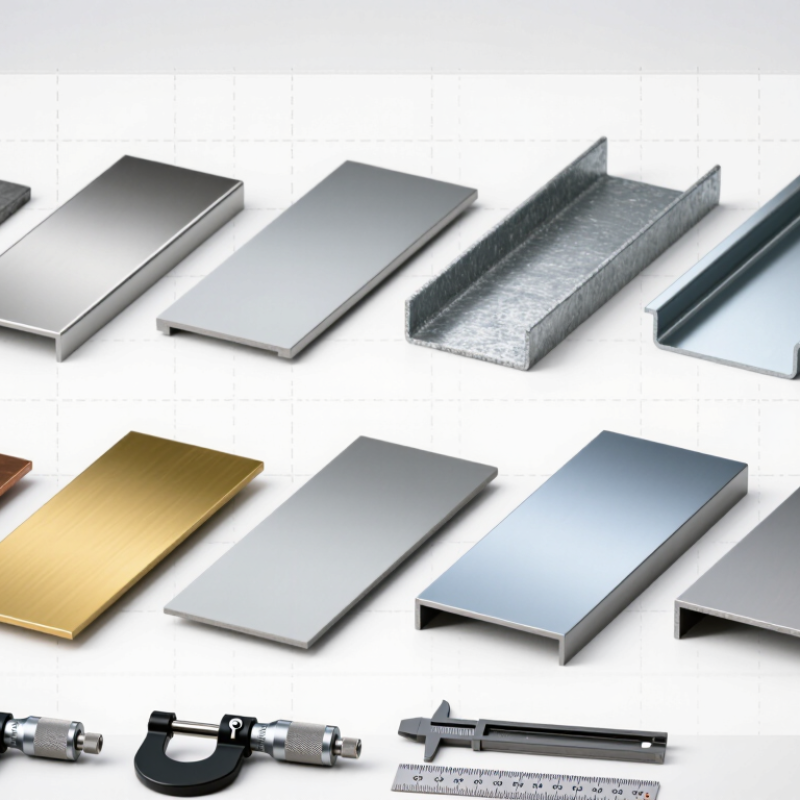
Top 10 Types of Sheet Metal for Global Buyers?
What Is Sheet Metal and How Is It Classified?
Sheet metal is flat metal formed through rolling, cutting, bending, or stamping. It usually differs from plate by thickness, although the boundary changes across standards and materials. There is no universal gauge system. That detail can complicate international purchasing.
The main classification begins with material. Carbon steel offers strength and cost efficiency. Stainless steel resists corrosion in wet or chemically exposed environments. Aluminum reduces weight and supports thermal management. Copper provides excellent electrical conductivity. Galvanized steel adds a zinc coating for improved corrosion protection. The World Steel Association reported global crude steel production of about 1.88 billion tonnes in 2024, showing the scale behind steel-based sheet supply. The International Aluminium Institute reported global primary aluminum production near 72 million tonnes in 2024. Numbers matter here.
Manufacturers also classify sheet by thickness, temper, surface finish, and forming method. Cold-rolled sheet usually provides tighter dimensions and smoother surfaces. Hot-rolled sheet suits heavier fabrication and less demanding appearance requirements. Perforated, expanded, and corrugated sheets are classified by geometry rather than chemistry alone. Coatings require closer inspection. A zinc layer, painted finish, or protective film can change performance and recycling decisions. Buyers should compare mill certificates, tolerance tables, coating mass, and test methods. In practice, a “standard thickness” may still vary between suppliers. Classification is useful, but never perfectly clean. Misreading one unit can delay an entire shipment.
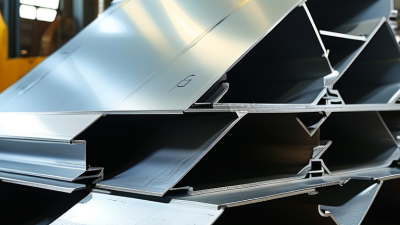
Sheet metal selection starts with material behavior, not appearance. Carbon steel offers low cost, high strength, and easy laser cutting. Galvanized steel adds zinc protection for outdoor panels, though welding requires ventilation and surface control. Stainless steel resists corrosion and heat, but its work-hardening can slow drilling and forming. Aluminum is light, conductive, and highly formable. The International Aluminium Institute reported global primary aluminum production at about 70.6 million tonnes in 2023.
Copper provides excellent electrical and thermal conductivity. Brass machines cleanly and suits decorative hardware, although it costs more than common steel. Titanium delivers exceptional strength-to-weight performance and corrosion resistance. Its slow cutting speeds demand strict tool management. Nickel alloys retain strength at high temperatures, but they can punish poorly selected tooling.
Magnesium is extremely light and machines efficiently, yet fabrication requires careful fire-risk controls. Tinplate combines a steel core with a thin tin coating, supporting packaging and corrosion-sensitive applications. World Steel Association data recorded roughly 1.89 billion tonnes of crude steel production in 2023, showing steel’s industrial scale. The International Copper Study Group estimated refined copper production near 26.5 million tonnes that year. These figures indicate supply depth, not automatic suitability.
Manufacturing properties change the decision. Deep drawing favors ductile grades, while tight bends need controlled elongation and consistent thickness. A stronger alloy may reduce part weight, but it can increase springback and forming costs. The ranking is imperfect. Actual performance depends on temper, coating, grain direction, tooling, and surface finish. A sample bend test remains wiser than a catalog assumption.
| Rank | Sheet Metal Type | Material Category | Typical Density | Typical Tensile Strength | Typical Sheet Thickness Range | Corrosion Resistance | Formability | Weldability | Common Manufacturing Processes | Typical Applications |
|---|---|---|---|---|---|---|---|---|---|---|
| 1 | Low-Carbon Steel | Carbon steel; commonly supplied in cold-rolled or hot-rolled condition | Approximately 7.85 g/cm³ | Approximately 270–410 MPa | 0.5–12 mm | Low without coating; requires paint, oil, powder coating, or plating for long-term protection | Excellent; suitable for deep drawing and bending | Excellent with common resistance and arc-welding methods | Laser cutting, punching, stamping, bending, roll forming, welding | Automotive panels, cabinets, brackets, machinery frames, structural components |
| 2 | Galvanized Steel | Low-carbon steel with a zinc coating | Approximately 7.80–7.85 g/cm³ | Approximately 270–450 MPa, depending on steel grade | 0.4–6 mm | Good in atmospheric environments; zinc coating provides sacrificial protection | Good to excellent, depending on coating weight and substrate grade | Good; welding may require ventilation and process control because of zinc fumes | Stamping, roll forming, laser cutting, punching, bending, spot welding | HVAC ductwork, roofing, electrical enclosures, appliance parts, automotive components |
| 3 | 304 Stainless Steel | Austenitic stainless steel containing chromium and nickel | Approximately 8.00 g/cm³ | Approximately 515–750 MPa | 0.3–8 mm | Excellent in many indoor, food-processing, and mildly corrosive environments | Excellent, although work hardening increases forming force | Excellent; commonly welded with TIG, MIG, or resistance welding | Laser cutting, shearing, stamping, deep drawing, bending, welding, polishing | Food equipment, kitchen products, medical equipment, architectural panels, tanks |
| 4 | 316 Stainless Steel | Austenitic stainless steel with molybdenum for improved chloride resistance | Approximately 8.00 g/cm³ | Approximately 485–690 MPa | 0.4–8 mm | Very good to excellent, especially in marine and chloride-containing environments | Very good; requires allowance for work hardening and springback | Excellent with appropriate filler metal and heat control | Laser cutting, stamping, bending, deep drawing, welding, electropolishing | Marine hardware, chemical-processing equipment, pharmaceutical equipment, heat exchangers |
| 5 | 5052 Aluminum Alloy | Non-heat-treatable aluminum-magnesium alloy | Approximately 2.68 g/cm³ | Approximately 210–260 MPa in common H32 temper | 0.5–6 mm | Very good due to its naturally protective oxide layer | Excellent in annealed condition; good in H32 temper | Good with TIG, MIG, and resistance welding; requires oxide removal and clean tooling | Laser cutting, punching, bending, stamping, roll forming, welding | Vehicle panels, marine components, fuel tanks, enclosures, signs, HVAC parts |
| 6 | 6061 Aluminum Alloy | Heat-treatable aluminum-magnesium-silicon alloy | Approximately 2.70 g/cm³ | Approximately 290–330 MPa in T6 temper | 0.8–6 mm | Good in general atmospheric environments | Moderate in T6 condition; better when annealed or in softer temper | Good, although the heat-affected zone may lose strength | Laser cutting, CNC machining, bending with larger radii, welding, anodizing | Lightweight frames, machinery parts, transport equipment, brackets, structural panels |
| 7 | C110 Copper | Commercially pure electrolytic tough-pitch copper | Approximately 8.94 g/cm³ | Approximately 200–250 MPa, depending on temper | 0.3–5 mm | Good; develops a protective surface patina, but is vulnerable to some chemicals | Excellent in annealed condition; good electrical and thermal conductivity | Moderate; brazing and specialized welding are often preferred | Shearing, punching, bending, stamping, forming, brazing, soldering | Busbars, electrical connectors, heat exchangers, roofing details, decorative panels |
| 8 | 260 Brass | Copper-zinc alloy, also known as cartridge brass | Approximately 8.53 g/cm³ | Approximately 350–550 MPa, depending on temper | 0.3–4 mm | Good in normal indoor and atmospheric conditions; avoid ammonia-rich environments | Excellent in annealed condition; good for stamping and deep drawing | Fair to moderate; brazing and soldering are commonly used | Stamping, deep drawing, bending, punching, spinning, polishing | Electrical terminals, hardware, decorative trim, plumbing fittings, instrument parts |
| 9 | Grade 2 Titanium | Commercially pure titanium | Approximately 4.51 g/cm³ | Approximately 345–450 MPa | 0.5–5 mm | Excellent, including strong resistance to seawater and many chemical environments | Good, but requires controlled forming, generous bend radii, and clean tooling | Good when welded in an inert, well-controlled atmosphere | Laser cutting, waterjet cutting, bending, forming, TIG welding, machining | Chemical equipment, marine components, aerospace parts, medical devices, heat exchangers |
| 10 | Nickel 200 | Commercially pure nickel | Approximately 8.89 g/cm³ | Approximately 345–550 MPa, depending on condition | 0.5–5 mm | Excellent in caustic alkalis, neutral salts, and reducing chemical environments | Excellent in annealed condition | Good with appropriate nickel-alloy welding procedures | Shearing, laser cutting, bending, deep drawing, welding, machining | Chemical-processing equipment, battery components, caustic handling systems, electrical parts |
Note: Values are typical reference ranges for commonly supplied sheet conditions. Actual mechanical properties, thickness availability, surface finish, and manufacturing performance vary by specification, temper, heat treatment, coating, and regional standard. Buyers should confirm the applicable material standard and mill certificate before ordering.
Carbon steel offers strength and low cost, but it needs paint or coating against rust. It suits frames, brackets, and machinery. Stainless steel resists corrosion and heat, yet costs more and can be harder to form. It works well in food equipment and chemical enclosures. Galvanized steel provides affordable corrosion protection, although welding can damage its zinc layer. Aluminum is lightweight and naturally corrosion resistant, but it scratches and bends more easily. Copper transfers heat and electricity efficiently, though its price and softness limit heavy-duty use. Brass machines well and looks attractive, but it is heavier than aluminum. Titanium delivers excellent strength and corrosion resistance, yet machining remains expensive. Nickel alloys handle severe heat and chemicals, but sourcing and fabrication require specialist control. Tool steel stays hard under wear, while weathering steel forms a protective surface outdoors. Poor drainage can still cause trouble.
Tips: Confirm thickness, temper, surface finish, and tolerances before ordering. Ask for material certificates and test reports. Compare total fabrication cost, not only price per kilogram. Salt exposure, forming radius, and welding method often change the best choice. Local availability matters too.
In practical fabrication, carbon steel remains a sensible default for many structural parts. However, stainless steel may reduce maintenance in humid environments. Aluminum can lower shipping weight, but its thermal expansion needs attention. I have seen buyers select titanium for prestige, then regret its machining cost.
The strongest material is not always the most suitable one. Check application loads, service temperature, corrosion risks, and expected maintenance before approval.
Choosing sheet metal for a global project requires more than comparing prices. The working environment matters. Carbon steel suits strong frames and machine parts, while galvanized steel offers better outdoor protection. Stainless steel handles moisture, cleaning chemicals, and food-related environments. Aluminum reduces weight in panels, enclosures, and transport equipment. Copper provides excellent electrical conductivity. Brass supports decorative and low-friction components. Titanium serves demanding, lightweight applications, but its cost requires careful justification. Nickel alloys resist severe heat and corrosion. Spring steel provides controlled flexibility. Tool steel supports wear-resistant parts.
Tips: Check thickness, tensile strength, hardness, surface finish, and available forming methods. Confirm whether the material can be cut, bent, welded, or stamped locally. A bright surface does not always mean strong corrosion resistance. Ask for mill certificates, test reports, and traceable heat numbers. These documents improve purchasing reliability across borders.
Project conditions should guide the final choice. Measure humidity, salt exposure, temperature changes, and expected service loads. Also consider shipping weight, packaging, and local fabrication skills. A material that performs well in a dry workshop may fail near a coastal site. I have seen projects select thin aluminum to reduce freight costs, then add expensive reinforcement later. That choice looked efficient, but it was not. Request small samples and test the actual bend radius before approving large volumes. Standards may differ between regions, so confirm dimensions and mechanical requirements with the receiving engineer. Even a simple prototype can reveal springback, surface damage, or unexpected welding distortion.
For international buyers, sheet metal selection starts with the service environment, not the catalog title. Common options include carbon steel, stainless steel, galvanized steel, aluminum, copper, brass, titanium, tool steel, weathering steel, and nickel alloys. Each type behaves differently during forming, welding, machining, and outdoor exposure. A supplier should explain why a grade fits your application. “Suitable for general use” is not enough.
Before ordering, confirm the exact grade, thickness, width, length, temper, surface finish, and edge condition. Ask for a mill test certificate and compare its chemistry with the purchase specification. Check dimensional tolerances carefully. A 0.8 mm sheet may arrive within tolerance, yet still fail a tight assembly. Request photographs of packaging, especially for polished or coated surfaces. Moisture inside a sealed bundle can create stains before the container reaches port. It happens.
International shipments need more than material data. Confirm production lead time, minimum order quantity, loading method, pallet details, and export documents. Clarify whether prices include inland transport, insurance, duties, or port charges. Verify the supplier’s inspection process through sample reports or an independent inspection agency. Samples can mislead if they come from a different production batch. Keep that limitation visible. A perfect checklist does not exist. Recheck the final specification against drawings, destination requirements, and the actual risks of your workshop.
What international buyers should check before placing an order
The chart compares the approximate room-temperature density of representative sheet-metal materials. Density helps international buyers estimate shipment weight, material usage, freight cost, and required handling capacity. Before ordering, also confirm the exact grade, thickness tolerance, surface finish, coating weight, mechanical properties, applicable ASTM or EN standard, inspection documents, packaging method, and delivery terms.
Values are approximate reference densities in kg/m³; the exact value may vary by alloy composition, coating, and product specification.