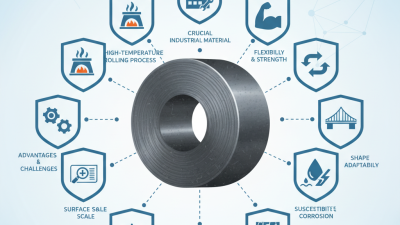
China has become a major sourcing base for Checker Plate Sheet used in flooring, stairs, platforms, trailers, and industrial equipment. Its manufacturers offer aluminum, stainless steel, and carbon steel options. Each material serves different performance needs.
This guide introduces leading Chinese manufacturers and suppliers through a practical purchasing lens. It examines plate thickness, tread pattern, alloy or steel grade, surface finish, cutting accuracy, and packaging quality. Experienced buyers know that a bright surface does not always indicate reliable production. Mill certificates, inspection records, sample testing, and clear tolerances matter more. They reveal how a supplier controls its process.
Look closely.
A dependable supplier should explain production capacity, minimum order quantities, delivery schedules, and export experience. Factory audits can confirm whether equipment matches the company’s claims. Photographs are useful, but they cannot replace physical inspection. Request samples when surface consistency or dimensional accuracy affects installation. Pay attention to protective film, pallet strength, edge protection, and moisture control during shipment.
No supplier is perfect. Even a well-established factory may struggle with urgent custom orders or unusual specifications. That reality deserves honest discussion. This overview compares supplier capabilities, communication standards, quality systems, and application knowledge. It is designed to help importers, contractors, and distributors make more informed decisions. The strongest choice is not always the lowest quotation. It is the supplier that delivers consistent Checker Plate Sheet quality, accurate documentation, and dependable support over time.
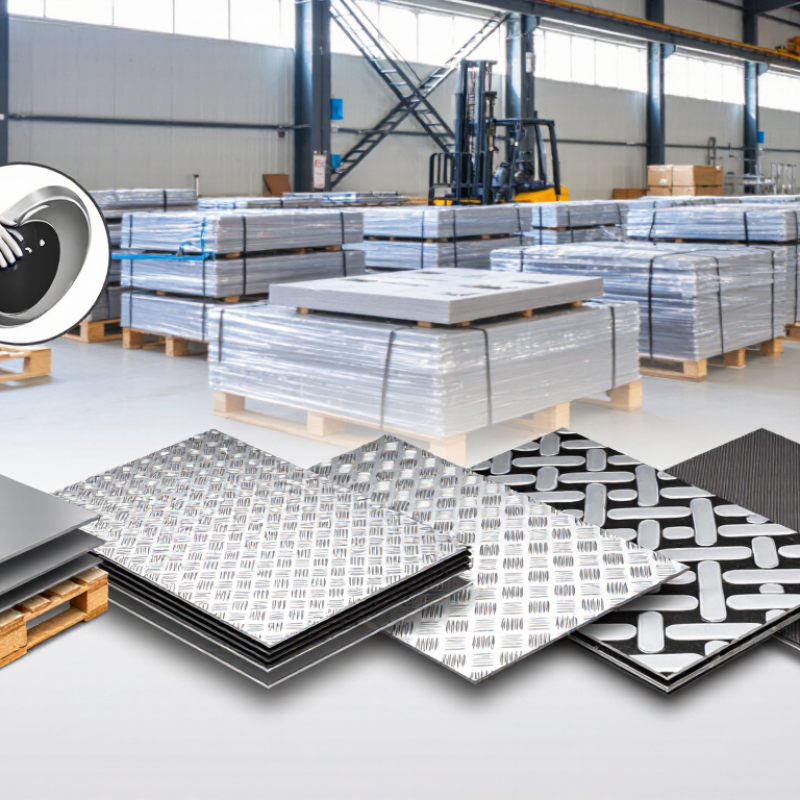
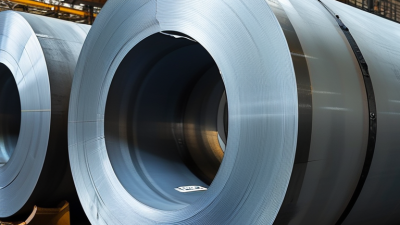
Checker plate sheet is a metal sheet with raised patterns on one surface. The pattern usually forms diamonds, bars, or other repeating shapes. It improves traction under boots, tools, and light equipment. Common materials include aluminum, carbon steel, and stainless steel.
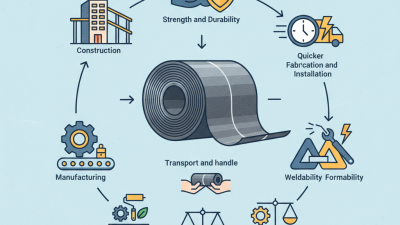
In practical projects, checker plate appears on stair treads, walkways, loading platforms, vehicle floors, ramps, and industrial equipment covers. Aluminum offers lower weight and good corrosion resistance. Carbon steel provides strong load support but may need protective coating. Stainless steel suits damp or hygienic areas, although it costs more. Plate thickness, pattern height, surface finish, and fixing method all affect performance. A shiny surface can still become slippery when covered with oil or mud.
Tips: Confirm the working load before ordering. Check the sheet’s alloy and thickness. Ask for a sample when appearance matters. Measure cutting allowances carefully. Edges can be sharp. Use suitable gloves during handling and fitting. Drainage also deserves attention, especially on outdoor platforms. The raised pattern is not a complete safety system. Regular cleaning and inspections remain necessary. In my experience, buyers sometimes choose the deepest pattern without checking foot comfort or installation weight. That choice can create avoidable problems.
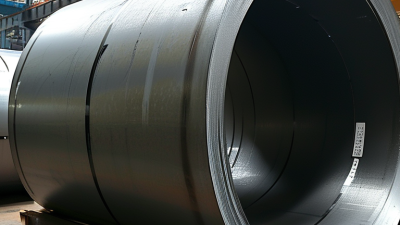
China’s checker plate sheet market is large, but size alone does not prove compliance. The World Steel Association reported China produced about 1,005 million tonnes of crude steel in 2024. This capacity supports broad supply, yet buyers still need clear technical checks.
For carbon steel checker plates, GB/T 3277 is a key Chinese reference for plate dimensions, mass, and pattern requirements. Confirm the nominal thickness, width, length, and pattern height separately. A 6 mm plate may not have a 6 mm effective thickness under the raised pattern. Ask for dimensional tolerances and flatness data. These details affect stair treads, platforms, and truck floors.
Mechanical properties must match the selected grade. GB/T 700 covers common carbon structural steels, while GB/T 1591 covers higher-strength low-alloy grades. The mill certificate should show yield strength, tensile strength, elongation, chemical composition, heat number, and test method. For export orders, ASTM A786/A786M or EN-related requirements may be specified, but they should not be mixed casually with Chinese standards. That creates avoidable disputes. Verify whether the pattern is tear-drop, diamond, or lentil-shaped. Pattern direction also affects appearance and drainage. I have seen purchase documents omit this point. It later caused rework. Salt-spray testing is not a substitute for selecting suitable steel, coating, and drainage design. Supplier evaluation should include traceability, cutting accuracy, surface inspection, and recent third-party test reports.
| Specification Dimension | Common Requirement in China | Applicable Standard or Reference | Purchasing and Inspection Notes |
|---|---|---|---|
| Product definition | Hot-rolled steel sheet or plate with a raised, regular pattern on one surface, commonly used for flooring, platforms, stairs, walkways, and vehicle bodies. | GB/T 3277, checkered steel plates and sheets for general purpose | The order should state whether the quoted thickness is the base metal thickness or the overall thickness including the raised pattern. |
| Material grades | Q235B is widely used for general structural applications; Q355B is selected where higher yield strength is required. Other carbon-steel grades may be supplied to an approved specification. | GB/T 700 for Q235 structural carbon steel; GB/T 1591 for Q355 low-alloy structural steel | Confirm the grade, delivery condition, chemical composition, mechanical properties, and impact-test requirements before production. |
| Stainless-steel option | 304 and 316/316L are frequently specified for corrosion-resistant flooring and equipment areas, subject to the required product standard and pattern-forming process. | GB/T 3280 for cold-rolled stainless-steel sheet and plate; ASTM A240 or EN 10088-2 may be specified for international projects | Specify the stainless grade, surface finish, base thickness, pattern height, passivation requirements, and corrosion environment. |
| Nominal base thickness | Common commercial selections include approximately 2.5, 3, 4, 5, 6, 8, 10, and 12 mm; heavier plates are available for structural or industrial service. | GB/T 3277 and the approved purchase specification | Do not use the pattern height to satisfy the required structural base thickness. Measure the plain portion of the plate when verifying thickness. |
| Width and length | Typical mill and service-center sizes include widths around 1,000–2,000 mm and lengths around 2,000–12,000 mm, depending on thickness, equipment, and cutting plan. | GB/T 3277, mill dimensional capability, and the purchase order | State the required cut size, mill-edge or cut-edge condition, squareness, and any nesting or minimum-order restrictions. |
| Pattern type | Common patterns include raised diamond, tear-drop, lentil, and other regularly repeated anti-slip designs. | GB/T 3277 or the approved technical drawing | The pattern direction, repeat, surface coverage, and orientation should be agreed before rolling or cutting. |
| Pattern height | Usually specified separately from the base thickness; many commercial products use a raised pattern of approximately 1.0–2.0 mm, depending on product size and rolling conditions. | GB/T 3277 or purchaser-approved drawing | A defined pattern-height tolerance should be included when slip resistance, clearance, or weight calculation is critical. |
| Dimensional tolerances | Thickness, width, length, flatness, edge straightness, and squareness are controlled according to the selected standard and ordered size. | GB/T 3277; related hot-rolled dimensional requirements may be referenced where permitted | The applicable tolerance class must be identified in the quotation and inspection plan rather than assumed from a nominal size. |
| Mechanical properties | Typical Q235 structural steel requirements include a minimum yield strength of about 235 MPa for thinner sections and a minimum tensile strength commonly specified in the 370–500 MPa range. Values vary with grade and thickness. | GB/T 700 or the material standard stated in the order | Use the certified test values for acceptance. Do not apply Q235 values to Q355, stainless steel, or another grade. |
| Surface condition | The surface should be free from defects that impair service, such as cracks, seams, deep scabs, severe pits, or excessive scale. Normal hot-rolled scale may be present unless descaling is ordered. | GB/T 3277 and the agreed surface-quality level | Specify pickled, shot-blasted, oiled, painted, galvanized, or untreated condition when corrosion protection is required. |
| Anti-slip performance | Raised patterns improve traction, but actual slip resistance depends on pattern geometry, contamination, footwear, slope, drainage, and surface treatment. | Project-specific safety requirements; testing standard must be stated separately | Do not claim a universal slip-resistance rating without a defined test method, test condition, and certified result. |
| Weldability and fabrication | Low-carbon structural grades are generally weldable with suitable procedures. Forming, drilling, cutting, and welding can affect flatness and the heat-affected zone. | Material grade standard and the approved welding procedure specification | Check carbon equivalent, preheating, consumables, edge preparation, and post-weld treatment for critical structures. |
| Weight calculation | Theoretical weight is based on steel density, base thickness, plate dimensions, and the additional mass of the raised pattern. Actual weight may vary within permitted tolerances. | Standard density calculations and the ordered dimensional specification | For budgeting, use the supplier’s stated theoretical mass per square metre and clarify whether pattern mass is included. |
| Testing and inspection | Common checks include visual inspection, dimensional measurement, thickness measurement on the plain area, chemical analysis, tensile testing, and impact testing when required. | GB/T 3277, the material grade standard, and the agreed inspection plan | Define sampling frequency, test location, acceptance criteria, and whether independent third-party inspection is required. |
| Mill documentation | A material test certificate normally identifies the heat number, grade, dimensions, chemical composition, mechanical results, standard, and delivery condition. | EN 10204-type 3.1 documentation may be requested for international projects | Match the certificate heat number with the product markings and packing list before shipment. |
| Packaging and marking | Plates are commonly bundled with steel straps and protected for lifting, storage, and transport. Markings normally include grade, size, quantity, heat number, and standard. | Purchase order, export packing requirements, and applicable material standard | Specify bundle weight, lifting points, moisture protection, edge protection, and required shipping marks. |
Note: Exact availability, tolerances, mechanical properties, pattern dimensions, and inspection requirements depend on the selected grade, thickness, product standard, and purchase order. The applicable standard and acceptance criteria should be confirmed before production.
Evaluating Chinese checker plate sheet manufacturers requires more than comparing online prices. I begin by checking production experience, material range, and export records. A capable supplier should explain alloy grades, temper conditions, pattern height, thickness tolerance, and available sheet sizes clearly. Vague answers can indicate weak technical control.
Request recent test reports and matching mill certificates. Verify the alloy, tensile strength, yield strength, and elongation against your project requirements. I also inspect sample sheets for flatness, burrs, uneven patterns, scratches, and edge cracks. Small defects become expensive during cutting and installation. Ask how the factory controls rolling pressure, heat treatment, surface protection, and packaging. Photos help, but they are not proof. An independent inspection is safer for large orders.
Check whether certificates can be verified through the issuing organization. Review production capacity, lead times, rejection procedures, and communication practices. A reliable manufacturer should provide a clear quotation, drawings, inspection plan, and packing details. It should also explain what happens when measurements fail. That answer matters.
Do not choose only by the lowest offer. I have seen attractive quotations exclude testing, export packing, or inland delivery. The final cost then changes. This is easy to miss. Compare identical specifications and trade terms. A factory audit may reveal limited storage, mixed materials, or poor moisture control. Some evaluations still remain imperfect, especially when production is outsourced. Record every assumption in writing.
China’s checker plate sheet market includes primary mills, regional stockists, and custom fabricators. Each supplier type serves a different purchasing need. Mills usually offer stronger process control, larger volumes, and consistent plate patterns. Stockists can ship common sizes faster, especially for maintenance projects. Fabricators provide cut-to-length sheets, drilled sections, or formed panels for specific equipment.
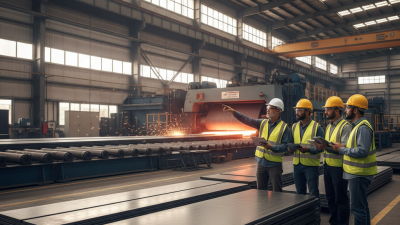
Production capability should guide supplier selection. Reliable manufacturers often support aluminum, carbon steel, or stainless steel grades. Available thicknesses may range from light decorative sheets to heavy-duty flooring plates. Ask about pattern height, flatness tolerance, width limits, and cutting accuracy. A capable factory should explain its rolling process clearly. It should also provide heat numbers, inspection records, and material certificates. These details matter when sheets face forklifts, moisture, or repeated foot traffic. A polished catalog is not enough. In practice, production limits can differ between standard and custom orders.
Tips: Request a recent sample, not only product photos. Compare the pattern depth, edge condition, and actual thickness with the datasheet. Confirm monthly capacity and realistic lead time before placing a deposit. Check whether quality inspection occurs during rolling, cutting, and final packing. Some suppliers answer quickly but provide vague tolerances. That is a warning sign, although not absolute proof of poor quality. Discuss packaging carefully, because exposed edges can suffer damage during inland transport. Include acceptable defects and replacement terms in the purchase agreement.
China Top Checker Plate Sheet Manufacturers Suppliers?
Ordering, Quality Inspection, and Export Considerations
Ordering checker plate sheets from China requires precise technical details. State the alloy or steel grade, thickness, sheet size, tread pattern, and required quantity. Include acceptable tolerances in the purchase order. A vague request often creates costly misunderstandings. Request production samples when the surface pattern affects safety or appearance.
Before shipment, inspect thickness with a calibrated micrometer at several points. Check length, width, flatness, weld marks, edge damage, and tread consistency. Review the mill test certificate and compare its heat number with the material marking. Photos are useful, but they cannot replace physical inspection. A third-party inspector can verify random sheets and packing conditions. Measure more than once.
Export planning needs equal attention. Confirm the correct product classification with your customs broker, then prepare the commercial invoice, packing list, certificate of origin, and transport documents. Use moisture-resistant wrapping, corner protection, and strong wooden supports where appropriate. Container loading photos can reveal shifted bundles or weak restraints. Specify the delivery term, port, insurance responsibility, and document deadlines in writing. In practice, even experienced buyers may overlook local unloading limits or unexpected port charges. Build time for corrections, because an attractive quotation does not guarantee trouble-free delivery.