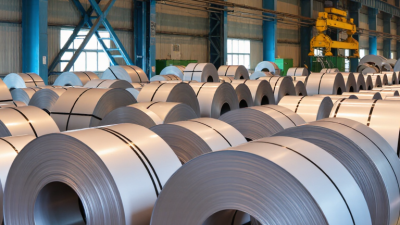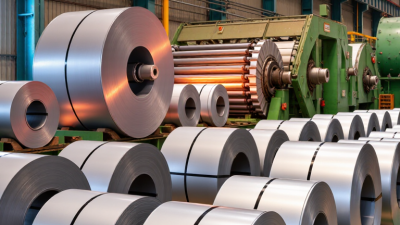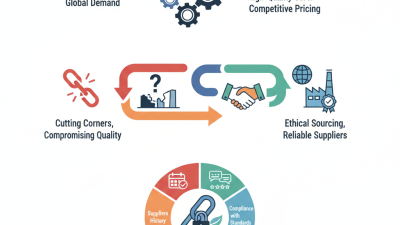
The global hot rolled steel coil market supports automotive frames, bridge beams, pipelines, machinery, and everyday construction. World Steel Association’s World Steel in Figures 2024 reports global crude steel production of about 1.89 billion tonnes in 2023. That scale shows why supplier selection requires more than comparing prices. Buyers must examine mill capacity, rolling tolerances, delivery reliability, and certification records.
This guide introduces seven leading Hot Rolled Steel Coil suppliers worldwide. It considers production reputation, export experience, product range, quality systems, and customer service. ASTM, EN, and JIS specifications remain important reference points. However, certificates alone do not guarantee consistent performance. A coil may meet chemical limits yet arrive with uneven edges, surface scale, or poorly protected packaging. Small details matter.
The World Steel Association’s sustainability reporting also highlights the industry’s pressure to reduce emissions and improve resource efficiency. Meanwhile, the International Energy Agency’s industry analysis identifies steel as a difficult sector to decarbonize. These findings make energy sources, scrap use, and emissions disclosure increasingly relevant during supplier evaluation. Steel Coil Hot products should therefore be judged through both technical and commercial evidence.
There is no universal “best” supplier. Regional freight costs, minimum order quantities, port access, and currency changes can alter the final decision. This ranking is useful, but not flawless. Buyers should verify current mill certificates, inspection reports, lead times, and references before signing contracts. Good steel decisions begin with measurable facts, not impressive claims.
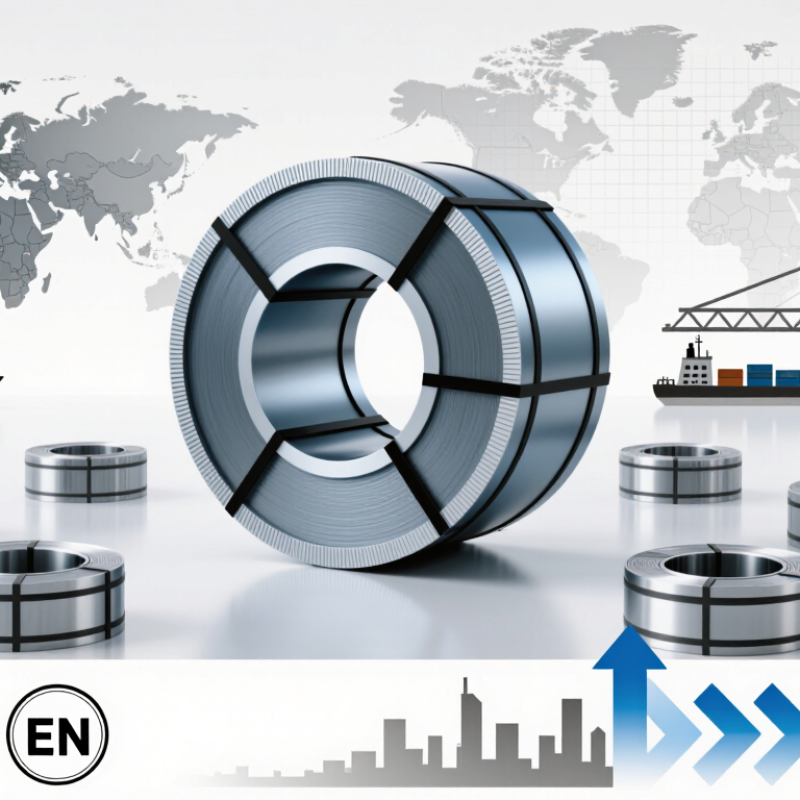
Hot-rolled steel coil is made by heating steel slabs and passing them through rolling stands while the metal is still hot. The process reduces the slab to a continuous strip, which is coiled for storage and transport. Its surface often has a dark oxide scale, and dimensions may vary more than those of cold-rolled products. That is normal, but it matters when parts need a close fit.
Common thicknesses range from 1.2 to 25.4 mm, though availability depends on the mill, grade, and product specification. Thin coil around 1.2 mm can suit formed panels and light fabrication. Heavier gauges near 25.4 mm are used for demanding structural or industrial components. Check the actual thickness tolerance, width, coil weight, and material grade before ordering. A stated thickness alone is not enough. I would also confirm whether the application allows a scaled surface and what finishing steps are expected; these details are easy to overlook. Coil handling needs planning, too. A heavy coil requires suitable lifting equipment and secure storage.
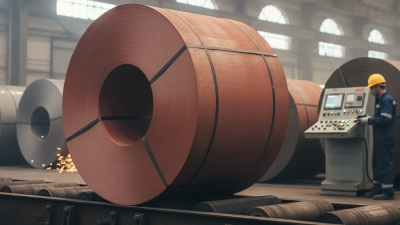
Hot-rolled coil begins as a thick steel slab, usually heated near 1,200°C in a walking-beam furnace. The target is higher than the steel’s roughly 900°C recrystallization range. At this temperature, grains reform during deformation, making rolling faster and more controlled. The glowing slab then passes through roughing stands, where its thickness falls dramatically.
Finishing stands apply repeated pressure at carefully controlled temperatures. Operators monitor mill load, strip speed, cooling water, and final gauge. The coil may leave the finishing train at approximately 800–900°C, depending on grade and required properties. Runout-table cooling then shapes its strength and microstructure. A downcoiler wraps the strip while it remains hot.
The World Steel Association reported about 1.89 billion tonnes of crude steel production in 2023. That scale explains why small process variations matter. The same association estimates steel contributes roughly 7–9% of global carbon dioxide emissions. Buyers comparing worldwide suppliers should examine coil thickness tolerance, surface condition, yield strength, and test traceability, not only price. A mill certificate helps, but it is not the whole truth. I would also question unclear cooling records and inconsistent heat numbers. Hot rolling sounds simple. It is not.
Steel is reheated and rolled at temperatures above its approximately 900°C recrystallization point, then cooled and coiled. The values below represent typical reference temperatures; actual settings vary by steel grade, thickness, and mill design.
The finishing stage is controlled near the recrystallization range to refine the grain structure, while accelerated cooling reduces the temperature before coiling.
When comparing hot rolled steel coil suppliers worldwide, grade and standard should come before price. ASTM A1011 is widely used for hot rolled carbon steel and high-strength, low-alloy sheet and strip. Common choices include Commercial Steel, Structural Steel Grade 36, and HSLAS Grade 50. These grades support forming, fabrication, and general structural work.
EN 10025 covers hot rolled structural steel products, with grades such as S235JR, S275JR, and S355J2. The designation reflects strength, while suffixes can indicate impact testing and delivery conditions. S355J2, for example, requires stronger mechanical performance than S235JR and includes impact requirements at lower temperatures. ASTM and EN grades may look similar, but they are not automatically interchangeable. Chemistry, yield strength, toughness, thickness range, and testing methods must match the project specification.
Ask each supplier for a current mill test certificate, heat number, dimensional report, and surface inspection record. Traceability matters when coils arrive with scale, edge damage, or inconsistent thickness. Confirm whether the material is supplied as hot rolled, pickled and oiled, normalized, or thermomechanically controlled. Small wording differences can change the order.
I often recheck equivalency tables. They simplify decisions too much. A reliable supplier should explain deviations, not hide them behind a familiar grade name. The safest comparison uses the finished application, design code, climate exposure, welding method, and required certification together. Supplier experience helps, but documented testing carries more weight.
| Sourcing market | Supplier channel to consider | Standards and grade examples to request | Key purchasing checks |
|---|---|---|---|
| China | Steel mills and export service centers supplying hot-rolled coil | ASTM A1011/A1011M grades or EN 10025-2 grades, when offered and confirmed for the specific coil | Confirm the exact standard edition, grade, coil dimensions, mill test certificate, and inspection requirements. |
| India | Domestic producers and export-oriented steel distributors | Request the required specification explicitly; EN 10025-2 examples include S235JR, S275JR, and S355JR. | Verify the grade and delivery condition on the certificate, plus applicable export documentation and shipping terms. |
| Japan | Integrated producers and authorized coil distribution channels | Specify ASTM A1011/A1011M or the relevant EN 10025 part and grade if that standard is required. | Check the confirmed standard, thickness and width tolerances, surface condition, and production lead time. |
| South Korea | Producers and coil service centers serving domestic and export markets | ASTM A1011/A1011M or EN 10025 grades may be requested subject to product and mill availability. | Obtain written confirmation of specification compliance, traceability, coil weight, and any third-party inspection needs. |
| Turkey | Hot-rolled coil producers and regional steel distributors | Request the exact ASTM or EN designation; do not rely on a grade name alone. | Confirm whether the order is certified to the named standard and check certificate format, origin documents, and delivery schedule. |
| European Union | Steel producers, stockholders, and coil service centers | For structural steel, EN 10025-2 examples include S235JR, S275JR, and S355JR. Confirm the applicable part and product form. | Check the specified EN 10025 part, grade, impact requirements where applicable, and inspection documentation. |
| North America | Domestic mills, importers, and steel service centers | ASTM A1011/A1011M is a relevant specification for hot-rolled sheet and strip; confirm the required grade category. | State whether the material is for structural, forming, or other use; verify grade, thickness, tolerances, and test certification. |
| Standards comparison: check the product scope and grade before comparing offers | |||
| ASTM A1011/A1011M | Covers hot-rolled carbon steel sheet and strip, including specified structural, high-strength low-alloy, and other strength categories. Examples commonly cited for structural grades include Grade 36 and Grade 50. | Confirm the category, grade, edition, and all ordering requirements. A1011 is not a universal one-to-one match for an EN 10025 grade. | |
| EN 10025 | A family of standards for hot-rolled structural steel products. EN 10025-2 includes non-alloy structural steel grades such as S235JR, S275JR, and S355JR. | Specify the relevant part and grade. Requirements such as impact properties and delivery condition depend on the designation and order. | |
| Important note | These are regional sourcing profiles, not a ranked list of named companies. Product availability and certification vary by supplier, mill, and order. ASTM and EN grades are not automatically equivalent; compare the full mechanical, chemical, dimensional, and testing requirements before substitution. | ||
Choosing a hot rolled steel coil supplier requires more than comparing quoted prices.
Check the producer’s real capacity, not only its website claims. Ask about monthly output, rolling line size, storage space, and available coil weights. A supplier should explain whether it can maintain your required thickness, width, grade, and tolerance during peak seasons.
Request recent mill test certificates and production records. These documents show chemical composition, mechanical properties, heat numbers, and inspection results.
Certifications deserve careful review.
Confirm the certificate scope, issuing body, expiry date, and covered production site. ISO 9001 can indicate controlled processes, but it does not guarantee perfect coils.
Delivery performance matters just as much. Examine average lead times, loading procedures, port access, packaging standards, and contingency plans for delays.
A supplier with stock nearby may serve urgent orders better than a larger producer far away. Product range also reveals technical capability.
Check whether the supplier offers pickled and oiled coils, different steel grades, narrow-width slitting, and customized coil weights.
I have found that small details, such as rust protection during sea transport, often affect total cost.
Paperwork may look complete. Physical samples and a factory audit can still expose weaknesses.
Allow room for questions, because some specifications remain unclear until the first shipment.
Selecting among the seven best hot-rolled steel coil suppliers requires more than comparing prices. Each market has different strengths, production standards, delivery routes, and service expectations. East Asian suppliers often offer large production capacity, stable mill operations, and broad grade selection. European producers usually emphasize traceability, precise tolerances, and lower-emission manufacturing. North American suppliers may provide dependable regional delivery and strong technical support. Indian and Turkish suppliers can be competitive for buyers seeking flexible volumes and practical export options. Middle Eastern suppliers may offer useful access to nearby construction and energy markets.
Price matters. It is not everything. A low quotation can hide longer lead times, weaker packaging, or inconsistent surface quality. Buyers should review mill certificates, coil weight limits, edge condition, thickness tolerance, and inspection procedures. I have seen purchasing teams focus on one discounted shipment, then spend more on rework and delayed installation. That mistake is avoidable, although no supplier performs perfectly every time. Clear specifications reduce surprises.
Tips: Compare landed cost, not only the mill price. Request recent test certificates and sample inspection records. Confirm shipping terms, corrosion protection, minimum order quantities, and claims handling before signing. A supplier with transparent communication is often safer than one offering the cheapest number. Local stock can also outweigh a small price difference when production schedules are tight.