Top Hot Rolled Mild Steel Plate Suppliers Worldwide
Hot Rolled Mild Steel Plate is widely used in construction, fabrication, machinery, and infrastructure projects. Its strength, formability, and availability in varied thicknesses make it a practical choice for many applications. Yet product quality can vary. A supplier’s name alone does not guarantee a suitable plate.
This guide introduces suppliers serving international markets and explains what buyers should check before requesting a quote. Compare plate grades, thickness ranges, dimensions, surface condition, and documented test results. Ask for material certificates and confirm that the stated specifications match your project requirements. Details matter. A few millimeters can affect cutting plans, fit-up, and material waste.
Supplier evaluation should also include production capacity, order minimums, lead times, export packaging, and communication quality. For example, confirm how plates are protected against moisture and handling damage during transit. Clarify whether quoted dimensions are standard stock sizes or made-to-order options. These questions help reveal practical differences beyond the listed price.
No supplier is perfect. Availability and delivery estimates can change, and a polished website is not proof of consistent performance. Treat any shortlist as a starting point, then verify claims directly and request current documentation. Regional service, reliable records, and clear answers may matter as much as price. This overview aims to help buyers compare options carefully, while recognizing that the best fit depends on the application, order size, and delivery location.
Understanding Hot Rolled Mild Steel Plate
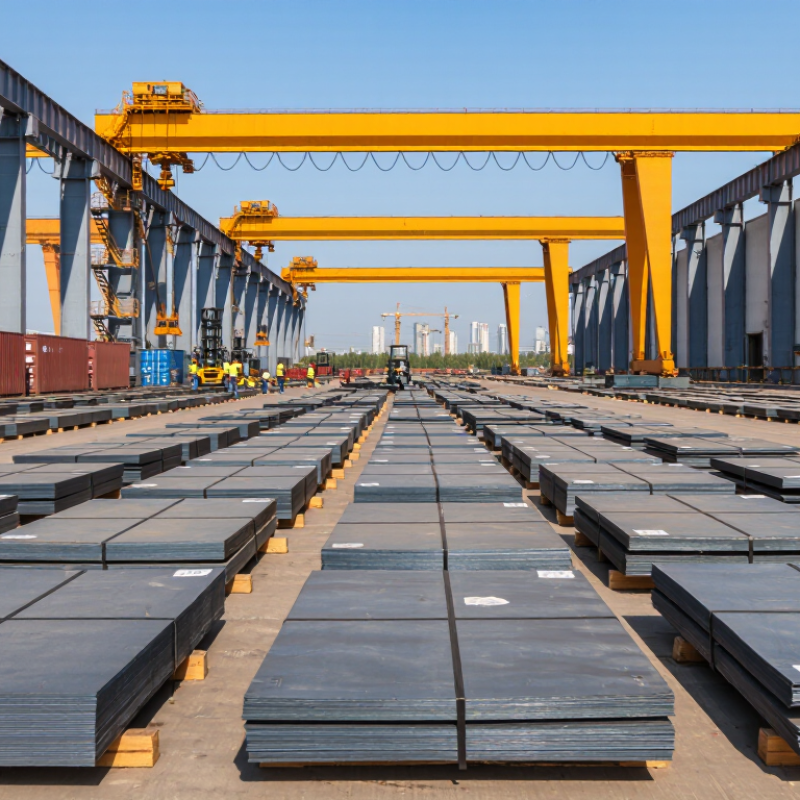
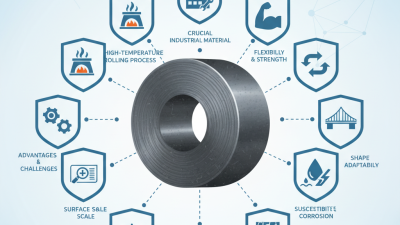
Hot rolled mild steel plate is made by heating steel above its recrystallization temperature, then passing it through rollers to reach the required thickness. The heat makes shaping easier and supports efficient production of larger plates. After rolling, the steel cools in open air. That cooling can leave a dark oxide layer called mill scale.
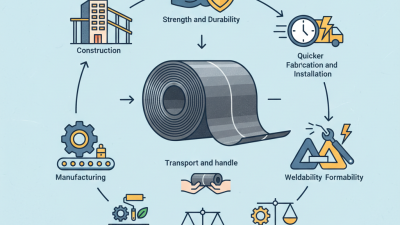
The material is valued for its balance of strength, formability, and cost. It is commonly used in structural frames, machinery bases, storage tanks, and general fabrication. A workshop may cut a plate with a plasma torch, then weld it into a bracket or support. Mild steel is usually easier to weld than higher-carbon grades, though preparation and suitable procedures still matter. Details matter.
Hot rolled plate often has a rougher surface and looser thickness tolerances than cold rolled sheet. Those differences are not defects by themselves, but they can affect fit-up, coating, and appearance. Buyers should check the specified grade, thickness, dimensions, test documents, and surface condition before ordering. Mill scale may need removal before painting. I have seen projects focus on price and overlook flatness; the rework can cost more than the initial saving. The right plate depends on how it will be cut, joined, finished, and loaded.
Top Hot Rolled Mild Steel Plate Suppliers Worldwide – Understanding Hot Rolled Mild Steel Plate
| Supply Region |
Common Product Offerings |
Commonly Specified Standards or Grades |
Typical Supply Considerations |
Useful Buyer Checks |
| East Asia |
Hot rolled carbon-steel plate and sheet in commercial, structural, and general fabrication grades. |
Examples include JIS G 3101 SS400 and Chinese GB/T 700 Q235 grades. |
Broad production capacity and a range of thicknesses and dimensions; availability, lead time, and export terms vary by mill and market conditions. |
Confirm the exact standard edition, grade, dimensions, tolerances, inspection documents, and whether the quoted material is plate or sheet. |
| Europe |
Hot rolled structural plate and coil-derived plate for construction, machinery, and fabrication. |
EN 10025-2 grades such as S235JR and S355JR are commonly specified. |
Products are generally ordered to defined European standards and dimensional tolerances; service-center stock varies by country. |
Check the required subgrade, impact-test temperature where applicable, delivery condition, and inspection certificate type. |
| North America |
Hot rolled carbon-steel plate for structural, industrial, and general-purpose applications. |
ASTM A36 is a widely used structural carbon-steel specification. |
Domestic and imported material may be available through mills and service centers; stock dimensions and processing options differ by supplier. |
Verify specification compliance, thickness and flatness tolerances, test documentation, and any project-specific code requirements. |
| South Asia |
Hot rolled mild-steel plate and sheet used in fabrication, infrastructure, equipment, and general engineering. |
Buyers may encounter national standards such as IS 2062, with the specified grade depending on the application. |
Local availability and export capability vary; confirm whether the material is mill-produced or supplied from stock. |
Request the precise grade and standard, heat number traceability, chemical and mechanical test results, and agreed delivery schedule. |
| Middle East |
Structural and general-purpose hot rolled plate supplied for construction, fabrication, and industrial projects. |
Orders may reference ASTM, EN, or other project-approved specifications. |
Supply is often organized around project requirements, regional stock, and import logistics; lead times can depend on origin and shipping. |
Confirm the approved specification, country-of-origin requirements, packing, shipping terms, and documentation needed for project acceptance. |
| South America |
Hot rolled plate for structural work, agricultural equipment, fabrication, and industrial use. |
Specifications may follow local standards or internationally recognized ASTM and EN requirements. |
Product range and stock dimensions differ across countries; domestic availability and imported supply can have different lead times. |
Check the governing standard, dimensional tolerances, certificate language, delivery location, and applicable import requirements. |
Note: Grade names and standards listed are examples of commonly specified materials, not guaranteed equivalents. Availability, dimensions, tolerances, and certification depend on the producer, supplier, and purchase specification. Confirm requirements directly before ordering.
How Hot Rolled Mild Steel Plates Are Produced
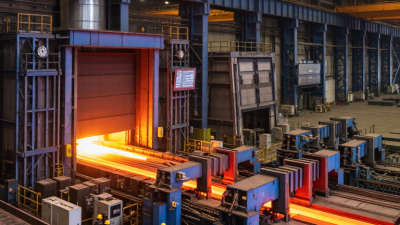
Hot rolled mild steel plate begins as a cast steel slab. At the mill, the slab is reheated until it becomes workable, then passes through large rollers that reduce its thickness. The rollers also help create the required width and surface profile. This stage is loud, hot, and precise. Temperature matters: steel that cools too much can resist forming, while uneven heating may affect consistency.
After rolling, the plate is cooled, often on a controlled run-out table. The cooling rate influences its structure and mechanical properties. Workers and automated systems check dimensions, surface condition, and other specified requirements. Scale may remain on the surface, giving hot rolled plate its familiar dark finish. Cutting and inspection follow, with results compared against the order specification. Not every plate looks flawless; minor surface marks can occur, so acceptance criteria should be clear before shipment.
Tips: Confirm the required thickness, grade, dimensions, and tolerances before ordering. Ask how the supplier documents inspection and traceability. For welding or machining, consider how the plate’s surface and properties fit the job. Small details matter. A specification can still leave questions, and it is worth resolving them early rather than assuming every mill uses identical controls.
Key Grades, Dimensions, and Quality Standards
Hot rolled mild steel plate is commonly specified by grade, thickness, width, length, and delivery condition. Common choices include ASTM A36 and EN 10025 grades S235JR, S275JR, and S355JR. Their strength levels differ, so substituting one grade for another can affect forming, welding, and structural design. Check the certificate, not just the plate tag. Small details matter.
Dimensions vary by mill and market. Buyers often request plates around 6–100 mm thick, but available widths and lengths depend on production lines and stock. Confirm tolerances, flatness, edge condition, and cutting allowance before ordering. ASTM A6/A6M and EN 10029 provide dimensional and shape tolerances for relevant plate products. Requirements can differ by specification, so compare the exact edition listed in the purchase contract. A nominal thickness is not always the delivered thickness.
Quality checks should cover chemical composition, tensile properties, impact testing where required, and traceability. Request mill test documentation, such as EN 10204 type 3.1 when specified. The World Steel Association reported global crude steel production of 1,892.2 million tonnes in 2023 in World Steel in Figures 2024; this scale does not guarantee uniform plate quality. Supplier audits and sample inspection still matter. I would not treat a familiar grade as a complete quality plan.
How to Evaluate Global Plate Suppliers
A reliable evaluation of global hot rolled mild steel plate suppliers begins with the actual application. Confirm the required grade, thickness, width, length, and dimensional tolerances before comparing quotations. A low price means little if the plate arrives too thick or has excessive surface scale. Ask for recent mill test certificates showing chemical composition and mechanical properties. Check that heat numbers on the documents match markings on the plates. Details matter.
Assess production capability as well as paperwork. Ask how the supplier controls thickness variation, flatness, and edge condition, and whether independent inspection is available before shipment. Request clear photographs of plate markings and packaging, especially for large orders. One overlooked point is communication: slow, vague answers during quotation may become harder to manage when schedules change. Still, polished emails are not proof of quality. Compare delivery estimates with the shipping route, port handling, and your receiving capacity. Confirm how claims for shortages or damage are documented. A small trial order can reveal gaps in packing or coordination, though it cannot guarantee every future shipment. Keep the evaluation tied to verifiable records, consistent specifications, and the conditions your project can actually accept.
Major Supplier Regions and Industry Applications
Top Hot Rolled Mild Steel Plate Suppliers Worldwide
Major supplier regions reflect both production scale and local demand. The World Steel Association reported 1.89 billion tonnes of crude steel production in 2023. Asia supplied the largest share, led by China, India, Japan, and South Korea. These markets support large plate mills, deep-water ports, and established coil-processing networks. Europe remains important for engineered plate, especially where traceability and tighter dimensional control matter. North American suppliers serve construction, transport equipment, energy infrastructure, and heavy machinery customers.
Applications shape purchasing decisions. Construction contractors commonly select hot rolled mild steel plate for columns, brackets, base plates, and bridge components. Machinery manufacturers often require predictable yield strength, weldability, and consistent thickness. Shipyards typically request certified plate with controlled chemistry and ultrasonic testing. The International Energy Agency’s World Energy Investment 2024 report shows global energy investment exceeding 3 trillion dollars, supporting continued demand for steel in grids, pipelines, storage systems, and industrial equipment.
Supplier quality is not measured by tonnage alone. Buyers should review mill certificates, heat numbers, impact-test results, surface condition, and delivery performance. Thicker plate may require stronger rolling controls and slower cooling. Regional freight can also change the final cost substantially. Some published market figures combine plate with broader flat steel categories, so comparisons are not always perfect. That limitation deserves attention. Practical audits, sample testing, and clear tolerances often reveal more than a supplier’s production ranking.
Top Hot Rolled Mild Steel Plate Suppliers Worldwide — Major Supplier Regions and Industry Applications
2023 crude steel production in major steelmaking countries (million tonnes). Production is shown as a regional-supply proxy; it is not hot-rolled plate output.
Major steelmaking hubs supply plate used in construction, machinery, energy infrastructure, shipbuilding, and transport equipment. Source: World Steel Association, 2023 crude steel production figures.



 +86 18865111877