7 Best HRC Hot Rolled Carbon Steel Coil Suppliers?
Selecting a supplier for Hrc Hot Rolled Carbon Steel Coil involves more than comparing prices. Buyers need consistent chemistry, dependable dimensions, and clear delivery terms. A coil may look suitable on a quotation, yet its thickness tolerance, edge condition, or surface scale can affect cutting and forming later. Details matter.
This guide examines seven suppliers through practical purchasing criteria: product range, quality documentation, production capacity, packaging, communication, and shipping reliability. Useful records may include mill test certificates and specifications for grade, width, thickness, and coil weight. Buyers should also confirm minimum order quantities, lead times, and how claims are handled before placing an order. These checks help connect published capabilities with actual procurement needs.
No supplier is automatically the right choice for every project. A large manufacturer may suit steady, high-volume orders, while a regional distributor may offer faster access to smaller lots. Capabilities and availability can change, so confirm current details directly rather than relying on an old listing. This comparison is a starting point, not a substitute for reviewing samples, documents, and project requirements. Some details are easy to overlook until a shipment arrives. That is worth remembering.
Define HRC Coil: ASTM A1011 Grades, Hot-Rolling, and Key Applications
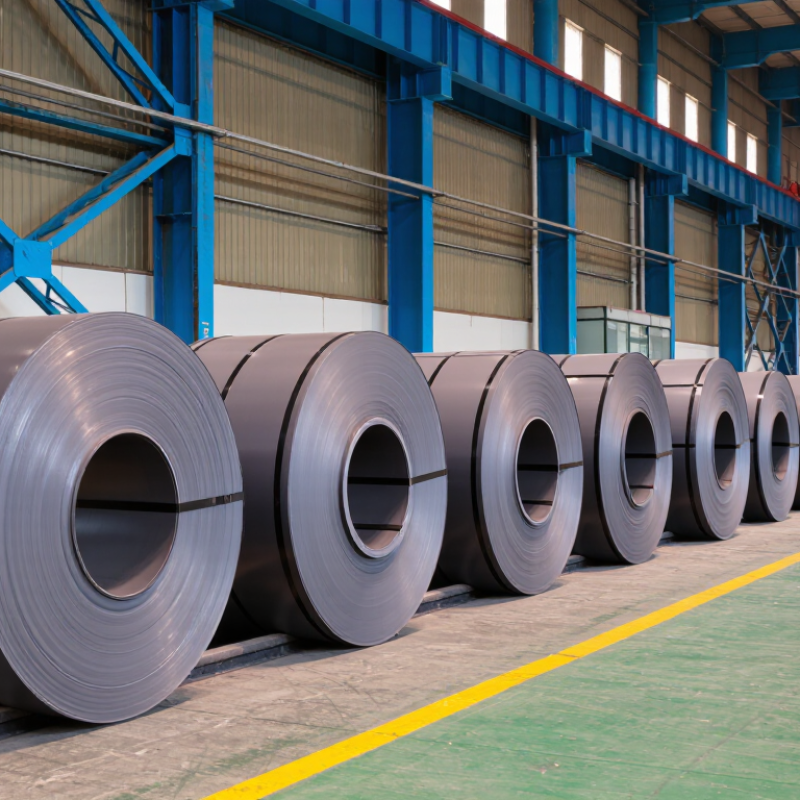
HRC coil is hot-rolled carbon steel supplied in a wound strip. ASTM A1011/A1011M covers hot-rolled sheet and strip, including commercial-quality, structural, and high-strength low-alloy grades. The grade matters. It influences strength, formability, and suitability for fabrication. Exact properties depend on the specified designation, thickness, and product requirements.
During hot rolling, heated steel passes through successive rollers until it reaches the required thickness. The surface often carries dark mill scale, and thickness may vary more than on cold-rolled material. HRC is commonly processed into welded tubing, equipment frames, brackets, and agricultural components. A frequent mistake is choosing by price or nominal strength alone. Forming needs, weldability, surface condition, and the coil’s inspection documents also deserve attention. Even a suitable grade can disappoint if its tolerances do not match the production line.
Tips: Check the ASTM grade, thickness, width, and mill test certificate before ordering. Ask whether the coil is pickled if a cleaner surface is needed. Confirm forming requirements with the fabricator; one detail is easy to overlook.
Set a Strength Benchmark: S235JR Requires 235 MPa Yield at ≤16 mm
7 Best HRC Hot Rolled Carbon Steel Coil Suppliers?
For S235JR, the key benchmark is a minimum yield strength of 235 MPa at thicknesses up to 16 mm. This value helps buyers compare material claims, but it is not a complete quality check. Verify the grade, nominal thickness, and applicable product standard on the supplier’s documents. A coil intended for later cutting or forming should also match the dimensions and processing needs of the job.
Ask for a material test certificate linked to the coil or production batch. Compare its reported results with the purchase specification, rather than relying on a catalogue description. Check delivery condition, thickness tolerance, surface condition, and any agreed inspection requirements.
Small details matter. A neat certificate is useful, but it cannot show every surface defect or handling mark. Still, one number can mislead: the 235 MPa benchmark applies to the stated thickness range, not every thickness. When comparing HRC suppliers, request clear traceability and consistent documentation. If a quotation leaves key details vague, pause and clarify them before ordering.
Compare Seven Producers: ArcelorMittal, Nippon Steel, POSCO, and Tata Steel
A fair comparison of seven hot rolled carbon steel coil producers should begin with the exact grade, thickness, width, and delivery schedule. Large producers may offer broad product ranges, but published capability does not guarantee every specification is available from every mill. Ask for current mill test certificates, dimensional tolerances, coil weight, and surface-condition details. Small differences matter. A coil that fits one processing line may require adjustment on another.
Compare more than quoted price. Review production capacity, regional delivery options, technical support, and the consistency of previous shipments. Request samples or trial-coil records when the application is sensitive to forming performance. Check whether the quotation states the basis for freight, packaging, and lead time. Details can shift. Seven suppliers may look similar on a spreadsheet, yet differ in service responsiveness or documentation quality. This comparison is imperfect, since availability and commercial terms change; verify each offer against your own production needs.
7 Best HRC Hot Rolled Carbon Steel Coil Suppliers? — A Seven-Profile Comparison
The profiles below compare recognized carbon-steel grade specifications, not named producers or mill-specific product claims. Actual coil availability, dimensions, and certification depend on the mill and order; confirm them in the current product specification and quotation. Grades across different standards are not automatically equivalent.
| Reference profile |
Grade / standard |
Specification anchor |
Typical selection focus |
Check before ordering |
| Profile 1 |
ASTM A1011 CS Type B |
Commercial steel sheet and strip specification |
General forming and fabrication where the specified commercial-steel requirements are suitable |
Type, thickness, surface condition, and any required mechanical-property limits |
| Profile 2 |
ASTM A1011 SS Grade 36 |
Structural-steel grade; minimum yield strength 36 ksi (about 250 MPa) |
Structural parts requiring a stated minimum yield strength |
Applicable thickness limits, chemistry, and the required edition of the standard |
| Profile 3 |
ASTM A1011 HSLAS Grade 50 |
High-strength low-alloy structural grade; minimum yield strength 50 ksi (about 345 MPa) |
Applications needing higher specified yield strength than common commercial grades |
Grade designation, thickness-dependent requirements, and any forming or welding needs |
| Profile 4 |
EN 10025-2 S235JR |
European structural-steel grade; minimum yield strength 235 MPa for thickness up to 16 mm |
General structural applications specified to the relevant European standard |
Thickness range, delivery condition, impact-test requirements, and inspection documents |
| Profile 5 |
EN 10025-2 S275JR |
European structural-steel grade; minimum yield strength 275 MPa for thickness up to 16 mm |
Structural applications specifying a higher minimum yield strength than S235JR |
Confirm the thickness-specific properties and required testing to the order standard |
| Profile 6 |
EN 10025-2 S355JR |
European structural-steel grade; minimum yield strength 355 MPa for thickness up to 16 mm |
Structural applications requiring a higher strength class |
Thickness-dependent properties, weldability requirements, and specified impact testing |
| Profile 7 |
JIS G 3101 SS400 |
General structural steel; tensile strength range 400–510 MPa |
General structural fabrication specified to the Japanese industrial standard |
Yield requirements by thickness, product form, and acceptance of the standard in the destination market |
For a supplier comparison, request the same grade, coil dimensions, tolerances, test requirements, certification, delivery terms, and quotation validity from each shortlisted mill.
Assess Regional Suppliers: Nucor, JSW Steel, and SSAB
Regional suppliers differ in more than price. North American mills may offer dependable domestic availability and familiar documentation, while South Asian producers can be competitive on large-volume orders. European suppliers often emphasize consistent specifications and close process control. These are broad patterns, not guarantees. Regional choice matters.
Ask for the grade, thickness, width, coil weight, and applicable tolerances before comparing quotations. A coil that looks right on paper may still require extra slitting or create yield loss on your line. Check recent mill test certificates, surface condition, and edge quality, then confirm whether delivery dates include processing and freight. Lead times vary. I would also ask how the supplier handles out-of-spec material and production changes; that detail is easy to overlook. Price alone is a thin measure. A small trial order can reveal handling issues, but it may not represent performance across a full production run. Compare suppliers against your actual forming or fabrication needs, and record what remains uncertain before committing.
HRC Supplier Screening: Minimum Yield-Strength Benchmarks
When comparing regional hot-rolled carbon steel coil suppliers, check that their available grades meet your project’s specification. These bars show commonly specified minimum yield strengths for ASTM A1011 structural-steel grades, in ksi. Confirm the applicable standard edition and product requirements with the supplier.
Evaluate Offers by Mill Test Certificates, Gauge, Width, Lead Time, and ISO 9001
When comparing HRC hot rolled carbon steel coil suppliers, ask for a mill test certificate tied to the coil’s heat number. Check that its chemistry and mechanical properties match the quoted grade, and confirm the document supports traceability. A certificate is useful, but only if its details correspond to the material being shipped. Keep that link clear.
Be specific about gauge and width. A quote for 3.0 mm coil may not meet the same thickness tolerance as another quote. Confirm the requested dimensions, acceptable tolerances, coil weight, and edge condition in writing. Small differences can affect cutting plans and create avoidable scrap. Details matter.
Lead time should distinguish production time from transit and delivery. Ask whether the material is in stock, when it can be dispatched, and what could delay shipment. Check the supplier’s ISO 9001 certificate, including its scope and validity; certification alone does not prove every order will arrive as specified. It is not a guarantee. I would compare written commitments, not just quoted prices. Still, paperwork can look complete while a practical detail is missing, so clarify anything vague before placing an order.



 +86 18865111877